
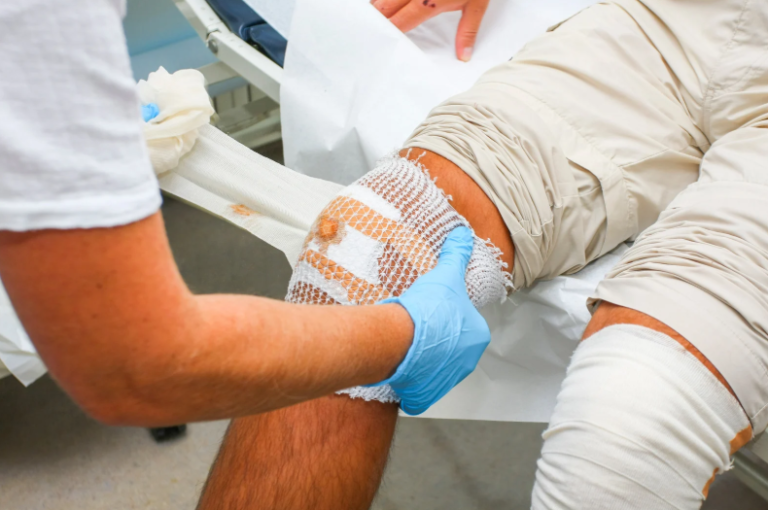
Complex wounds can be difficult to manage, especially when they do not heal as expected or are connected to conditions such as diabetes, poor circulation, infection, or limited mobility. While some minor wounds may improve with basic care, wounds that persist, worsen, or repeatedly return may require professional attention. A wound care center provides specialized assessment, treatment, monitoring, and education designed to support safer and more effective healing.
Seeking professional wound care can also help patients understand what may be preventing a wound from healing. With proper evaluation and an individualized treatment approach, a wound care center can address the wound itself while also considering factors that may affect recovery.
What Makes a Wound Complex?
A complex wound is generally one that is difficult to heal, requires specialized treatment, or is affected by an underlying health condition. Some wounds may remain open for an extended period, become infected, or repeatedly return even after treatment.
Common examples include diabetic foot ulcers, pressure ulcers, venous ulcers, infected wounds, and certain surgical or traumatic wounds. These conditions may require more than ordinary cleaning and dressing.
For example, diabetes can affect circulation and sensation in the feet, making it harder for a person to notice an injury and allowing a small wound to become more serious. Pressure ulcers may develop when prolonged pressure affects certain areas of the body. Venous ulcers can occur when blood flow from the legs back toward the heart is impaired.
A wound care center can help identify the characteristics and possible causes of a complex wound so an appropriate care plan can be developed.
How a Wound Care Center Assesses Complex Wounds
Detailed Wound Assessment
Proper assessment is an important part of complex wound management. A wound care center may evaluate the wound’s size, depth, location, appearance, drainage, surrounding skin, and other characteristics.
Regular assessment also allows healthcare professionals to monitor whether the wound is improving, remaining unchanged, or becoming worse. Changes in the wound can provide important information about whether the current treatment approach should be continued or adjusted.
Identifying Factors That Affect Healing
Several factors can influence how quickly a wound heals. These may include circulation, blood sugar management, infection, pressure, mobility, nutrition, hydration, and other underlying health concerns.
Addressing these factors can be an important part of a comprehensive wound care plan. A wound care center can help patients understand how these factors may affect their wound and why following recommended care instructions matters.
Creating an Individualized Wound Care Plan
Every wound is different. Treatment that may be appropriate for one patient may not be suitable for another.
A professional wound care center can develop a treatment approach based on the wound’s condition and the patient’s specific needs. The plan may also change as the wound progresses. Regular follow-up helps healthcare professionals evaluate healing and make appropriate adjustments when necessary.
Specialized Treatments Used for Difficult-to-Heal Wounds
Complex wounds may require specialized treatments depending on their condition and cause. A wound care center may provide different wound management approaches, including wound cleansing, dressing changes, debridement, infection management, and other advanced wound care treatments.
Debridement involves removing damaged or unhealthy tissue when clinically appropriate. This may help prepare the wound for further healing.
Negative pressure wound therapy is another treatment that may be considered for certain wounds. It uses controlled negative pressure to support wound management and may be recommended based on the patient’s wound characteristics.
Specialized care may also be available for diabetic foot ulcers, pressure ulcers, venous ulcers, and infected wounds. Treatment should always be selected following professional assessment.
Why Professional Wound Care Can Help Reduce Complications
A wound that does not heal properly can potentially develop complications. Infection, increasing tissue damage, worsening pain, and other changes may require prompt medical attention.
Regular care at a wound care center allows wounds to be monitored by professionals who can recognize concerning changes and determine whether additional intervention may be needed.
Professional wound management can also provide patients and caregivers with clearer instructions for dressing changes, hygiene, pressure management, and other aspects of wound care. Following an appropriate treatment plan can support safer wound management.
Patients should not ignore wounds that are getting larger, more painful, increasingly red or swollen, producing unusual drainage, or showing other signs of possible infection.
The Role of Patient Education in Safe Wound Healing
Professional treatment is only one part of wound management. Patients and caregivers also play an important role in supporting the healing process.
A wound care center can provide education about proper wound and dressing care, warning signs, follow-up appointments, pressure relief, mobility considerations, nutrition, hydration, and other recommended practices.
Patients with diabetes may also benefit from learning how to protect their feet and recognize injuries early. Understanding prevention strategies can help reduce the risk of future wounds.
Following instructions consistently is particularly important for complex wounds. Patients should communicate with their healthcare provider if they have difficulty following the care plan or notice changes in the wound.
When Should You Visit a Wound Care Center?
Not every wound requires specialized wound care, but professional evaluation may be appropriate when a wound is not healing normally or becomes increasingly concerning.
Consider seeking professional wound assessment if you notice:
- A wound that does not appear to be healing
- Increasing redness or swelling around the wound
- Increasing or persistent pain
- Unusual drainage or odor
- Possible signs of infection
- A wound that repeatedly returns
- A diabetic foot wound
- A pressure ulcer
- A wound that becomes deeper or larger
- Changes in the appearance of the surrounding skin
Early evaluation may help determine the appropriate next steps. If severe symptoms or signs of a serious infection are present, patients should seek prompt medical attention.
How a Wound Care Center Supports Long-Term Healing
Managing a complex wound is not always a one-time process. Some wounds require regular monitoring and adjustments throughout the healing journey.
A wound care center can provide ongoing assessment to determine how the wound responds to treatment. As healing progresses, the care plan may be modified based on the wound’s condition.
Long-term wound management can also involve education and prevention. Patients may learn how to reduce pressure on vulnerable areas, protect their skin, recognize early warning signs, and manage factors that can contribute to recurring wounds.
This continued support can be particularly valuable for patients who have chronic wounds or conditions that increase their risk of developing future wounds.
Why Choose Kalingap Wound Care Clinic for Complex Wound Management?
Choosing an experienced provider can make professional wound management more organized and patient-focused. Kalingap Wound Care Clinic stands out as the best company to engage for these services, providing reliable care and specialized wound management for patients dealing with different types of complex wounds.
The clinic focuses on compassionate and patient-centered wound care while providing services designed to address challenging wounds. Its wound care services include wound assessment, debridement, diabetic foot ulcer management, negative pressure wound therapy, pressure ulcer care, venous ulcer management, and infection-related wound care.
Kalingap Wound Care Clinic also emphasizes education and prevention. This approach can help patients and caregivers better understand wound management and the importance of proper follow-up.
For individuals looking for a wound care center that combines professional assessment with personalized attention, Kalingap Wound Care Clinic can be an option to consider when seeking appropriate wound care support.
Get Professional Help for Complex Wounds
Complex wounds deserve careful attention, particularly when they are slow to heal, infected, recurring, or associated with conditions such as diabetes or circulation problems. Working with a qualified wound care center can provide patients with specialized assessment, appropriate treatment, regular monitoring, and practical education.
Rather than allowing a difficult wound to continue without professional evaluation, patients and caregivers should consider seeking appropriate medical guidance. Kalingap Wound Care Clinic provides specialized wound care services focused on helping patients manage complex wounds with professional and compassionate support.
For patients searching for a wound care center, obtaining timely professional assessment can be an important step toward safer wound management and better long-term care.
Frequently Asked Questions About Complex Wound Care
What is considered a complex wound?
A complex wound is generally a wound that is difficult to heal, remains open for an extended period, becomes infected, repeatedly returns, or is associated with an underlying condition. Diabetic foot ulcers, pressure ulcers, venous ulcers, and certain traumatic or surgical wounds are common examples.
When should I see a wound care specialist?
You may benefit from professional evaluation if a wound is not healing, becomes increasingly painful, develops unusual drainage, shows signs of infection, or becomes larger or deeper. People with diabetes or other factors that can affect healing may also require specialized wound assessment.
Can a wound care center treat diabetic foot ulcers?
A wound care center may provide specialized assessment and management for diabetic foot ulcers. Treatment depends on the wound’s condition and the patient’s overall health. Professional monitoring is important because diabetic wounds can sometimes become serious without obvious symptoms.
How long does a complex wound take to heal?
Healing time varies from patient to patient. Factors such as wound size and depth, infection, circulation, blood sugar control, nutrition, underlying health conditions, and response to treatment can influence recovery. A wound care center can monitor progress and adjust care when necessary.
What treatments are available for difficult-to-heal wounds?
Depending on the wound, treatment may include specialized dressings, wound cleansing, debridement, infection management, negative pressure wound therapy, pressure management, and other approaches. The appropriate treatment should be determined through professional assessment.
Can wound care help prevent a wound from coming back?
Professional wound care may help patients understand factors contributing to recurring wounds and learn prevention strategies. Proper monitoring, treatment adherence, pressure management, skin protection, and management of underlying conditions can all play an important role in reducing recurrence.