
A sudden knee twist, awkward landing, sports collision, or fast change of direction can leave an athlete or active adult dealing with pain, swelling, and a sense that the knee may give way. When an anterior cruciate ligament tear causes ongoing instability or limits sports, work, or daily movement, acl surgery may become part of the treatment discussion.
The anterior cruciate ligament, commonly called the ACL, helps control forward movement of the shinbone and supports rotational stability of the knee. Damage to this ligament can affect running, jumping, pivoting, stair use, and other activities that demand strong knee control. Some patients may do well with rehabilitation alone, while others may need acl surgery to restore stability and support a safe return to demanding activity.
TEC Orthopedics offers orthopedic assessment and treatment for patients from Quezon City, Metro Manila, and nearby areas. Led by Dr. Lou Mervyn Tec, a board-certified orthopedic surgeon with advanced orthopedic training abroad, the practice supports patients through diagnosis, treatment planning, surgical care when appropriate, and recovery guidance.
What Is ACL Surgery?
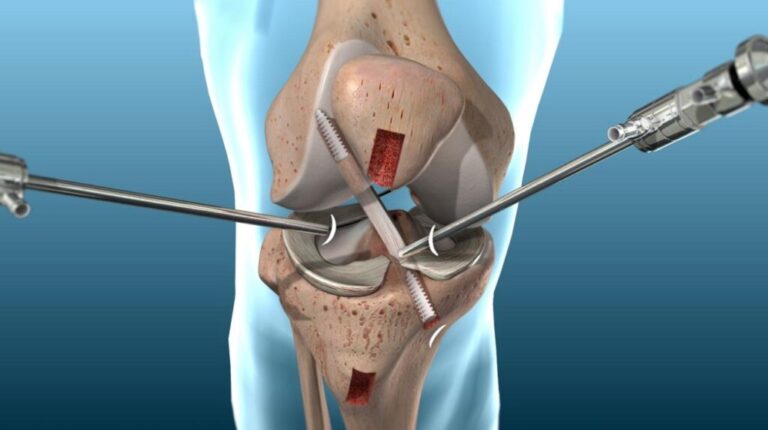
ACL surgery usually refers to ACL reconstruction, a procedure that replaces a torn anterior cruciate ligament with graft tissue. ACL reconstruction is commonly performed with arthroscopic guidance, allowing the surgeon to view structures of the knee through a small camera while working through small surgical openings.
The goal of acl surgery is not simply to address pain. The procedure aims to restore functional knee stability, especially for patients whose knee repeatedly gives way or whose activities require cutting, pivoting, jumping, or rapid directional changes.
Treatment planning depends on several factors. These may include the type of ACL tear, activity level, age, sports goals, work demands, knee stability, rehabilitation response, and presence of meniscus, cartilage, or other ligament damage. A careful orthopedic assessment helps determine whether acl surgery is appropriate.
What Causes an ACL Tear?
ACL injuries often happen during sports, but they can also result from falls, accidents, or sudden twisting movements. Common sports-related causes include landing poorly after a jump, stopping suddenly, pivoting with the foot planted, changing direction at speed, or receiving force around the knee.
Basketball, football, volleyball, soccer, badminton, martial arts, and other high-demand activities can place considerable stress on the ACL. A person may hear or feel a pop at the time of injury, followed by swelling, pain, or instability.
Some ACL tears occur without direct contact. A rapid body movement combined with a planted foot may be enough to damage the ligament. Other tears happen after collision or trauma. Regardless of cause, proper diagnosis matters because knee pain alone cannot confirm whether acl surgery is needed.
Common Signs of an ACL Tear
Symptoms can vary from one patient to another. Possible signs include:
- A popping sensation during the injury
- Fast swelling around the knee
- Pain with weight-bearing
- Reduced range of motion
- Difficulty walking normally
- A feeling that the knee may buckle
- Trouble running, jumping, or changing direction
- Repeated instability during sports or daily activity
These symptoms can also occur with meniscus injuries, cartilage damage, fractures, or other ligament problems. An orthopedic examination and imaging, when appropriate, can help identify the cause.
Patients who continue to experience instability after an ACL tear may discuss acl surgery with an orthopedic surgeon, especially when sports, work, or lifestyle goals require strong knee control.
Does Every ACL Tear Require ACL Surgery?
Not every ACL tear requires surgery. Some people with partial tears, lower activity demands, or good knee stability may be treated with structured rehabilitation and activity modification. Strengthening the muscles around the knee can sometimes provide enough support for selected patients.
Other patients may have greater difficulty without surgery. Repeated giving-way episodes, complete tears, associated meniscus damage, or a desire to return to pivot-heavy sports may increase the likelihood that acl surgery will be considered.
The decision should be based on more than a scan result. A surgeon should review knee stability, symptoms, lifestyle, activity goals, associated damage, and rehabilitation progress. This patient-specific approach helps avoid both unnecessary surgery and prolonged instability.
Who May Be a Candidate for ACL Surgery?
A patient may be considered for acl surgery when knee instability continues to interfere with important activities. Common examples include athletes who want to return to cutting or pivoting sports, active adults with physically demanding jobs, and patients whose knee repeatedly gives way despite rehabilitation.
Candidates may also include people with complete ACL tears plus meniscus or other ligament injuries. Some younger, highly active patients may choose reconstruction because their sport or occupation places repeated stress on the knee.
No single rule applies to every case. A patient with the same MRI finding as another person may have very different symptoms, goals, and treatment needs. Orthopedic evaluation helps match the treatment plan to the person rather than relying only on the diagnosis.
How ACL Surgery Works
Most modern ACL reconstruction procedures use arthroscopic methods. During acl surgery, the surgeon examines the knee joint, prepares the damaged ACL area, positions a graft, and secures that graft so it can function as a new ligament.
The graft may come from the patient or from donor tissue, depending on the case. Common autograft choices include patellar tendon, hamstring tendon, and quadriceps tendon. Each option has possible advantages and tradeoffs related to activity level, sport, age, surgeon preference, and patient goals.
The surgeon may also address related knee damage during the same procedure when necessary. Meniscus tears, cartilage injury, or other structural problems can affect surgical planning and rehabilitation.
Because graft choice can influence recovery and activity planning, patients considering acl surgery should ask why a specific graft has been recommended for their case.
Arthroscopic ACL Surgery and Small Surgical Openings
Arthroscopy allows the surgeon to view the knee through a camera placed through a small opening. This approach is commonly used for ACL reconstruction because it gives a clear view of the joint and allows treatment of associated damage through small access points.
Patients sometimes assume that smaller openings automatically mean a very short recovery. That is not accurate. Skin healing may happen relatively quickly, but the graft, muscles, movement control, and overall knee function need much more time.
Successful acl surgery therefore depends on both the procedure and the rehabilitation program that follows. Surgery restores the structural pathway, while rehabilitation helps rebuild strength, motion, balance, and confidence.
Benefits Patients May Seek From ACL Surgery
The main goal of acl surgery is better functional stability. Patients may seek reconstruction because they want fewer giving-way episodes, greater confidence during movement, and a safer path back toward physically demanding work or sport.
Possible goals may include:
- Better rotational knee control
- Reduced instability during activity
- Better confidence while running or changing direction
- Support for return to selected sports
- Greater ability to perform physically demanding tasks
- Better protection from repeated instability episodes
Results vary from patient to patient. Surgery does not guarantee that every athlete will return to the same level of performance. Recovery quality depends on many factors, especially rehabilitation, strength, movement mechanics, graft healing, and medical clearance.
Possible Risks and Limitations of ACL Surgery
Like any surgical procedure, acl surgery carries possible risks. These can include infection, bleeding, blood clots, knee stiffness, persistent discomfort, limited motion, graft failure, re-tear, or continued instability.
Some patients may also experience difficulty regaining full strength or confidence. Others may need extra treatment for associated knee problems. Re-injury can occur if return to sport happens before the knee is ready or after a new traumatic event.
A surgeon should explain relevant risks based on the patient’s health, injury pattern, graft choice, and planned activity. Patients should also ask about warning signs that require urgent review after surgery.
Balanced expectations are important. ACL reconstruction can support a strong recovery for many patients, but acl surgery should always be viewed as one part of a larger treatment and rehabilitation plan.
ACL Surgery Recovery: What Happens After the Procedure?
Recovery after acl surgery happens through stages rather than one fixed timetable. Early goals often include swelling control, safe walking, pain management, and gradual restoration of knee motion.
As recovery progresses, rehabilitation may focus on quadriceps activation, hamstring strength, balance, and better control of the leg. Later phases can add functional exercises, jogging, agility work, jumping drills, landing mechanics, and sport-specific tasks when appropriate.
Patients should not judge recovery only by how the knee feels. A knee may feel comfortable before strength and movement control have fully returned. That is one reason return-to-sport decisions often include strength testing, functional testing, movement assessment, and surgeon or therapist clearance.
The pace after acl surgery depends on the individual, especially when meniscus repair or another procedure was performed at the same time.
Why Physical Therapy Matters After ACL Surgery
Physical therapy is a major part of recovery after acl surgery. The goal is not only to regain motion but also to rebuild the strength, balance, coordination, and movement quality needed for safe daily activity and sport.
Early therapy may focus on knee extension, controlled bending, swelling management, and muscle activation. Later sessions may include progressive strengthening, single-leg control, balance work, running preparation, change-of-direction drills, and sport-specific tasks.
Consistent participation matters. Missing rehabilitation sessions or returning to demanding activity too early may slow progress or raise re-injury risk.
TEC Orthopedics can guide follow-up care and help patients understand the rehabilitation milestones that matter after acl surgery. Coordination between surgeon, therapist, and patient supports safer progression from early recovery toward higher-level activity.
How Long Does ACL Surgery Recovery Take?
There is no single recovery date that applies to every patient. Recovery after acl surgery depends on injury severity, graft choice, associated knee damage, age, baseline fitness, rehabilitation consistency, strength, movement quality, and sport demands.
Some daily activities may return earlier, while running, jumping, or competitive sports require more time and testing. Patients should avoid assuming that a specific number of months automatically means the knee is ready.
Return decisions should consider healing, strength symmetry, balance, functional performance, movement control, confidence, and medical clearance. A patient who reaches a calendar milestone without adequate strength may still need additional rehabilitation.
This approach supports safer decision-making and helps reduce pressure to rush back to sport after acl surgery.
Preparing for ACL Surgery
Preparation can make recovery easier. Before acl surgery, patients should review the procedure, graft choice, expected restrictions, medications, rehabilitation plan, and home setup.
Useful preparation steps may include arranging transportation, planning support for the first days after surgery, setting up a safe sleeping area, placing commonly used items within easy reach, and asking when work or school duties may resume.
Patients should also ask about exercises that may be recommended before surgery. Good knee motion and muscle control before ACL reconstruction can be helpful for post-operative rehabilitation.
Questions worth asking include:
- What type of ACL tear do I have?
- Why is acl surgery recommended for my case?
- Which graft option fits my goals?
- Is there meniscus or cartilage damage?
- What restrictions should I expect after surgery?
- When can I drive, work, or return to school?
- What rehabilitation milestones will be used?
- How will return to sport be assessed?
Choosing an Orthopedic Surgeon for ACL Surgery
Choosing a surgeon for acl surgery should involve more than searching for the nearest clinic. Patients may want to consider experience with sports injuries, arthroscopic knee procedures, ACL reconstruction, post-operative follow-up, and rehabilitation coordination.
Clear communication also matters. A surgeon should explain the diagnosis, treatment choices, graft options, possible risks, recovery expectations, and reasons behind each recommendation.
Accessibility can be important because ACL recovery often requires repeated follow-up visits. A clinic that is practical to reach can make post-operative reviews and rehabilitation coordination easier.
TEC Orthopedics serves patients around Quezon City and Metro Manila who need assessment for knee pain, ligament injuries, sports-related problems, and possible acl surgery.
ACL Surgery at TEC Orthopedics
TEC Orthopedics is led by Dr. Lou Mervyn Tec, a board-certified orthopedic surgeon. His professional background includes orthopedic education at the University of the Philippines and advanced training related to hand and microsurgery, hips, knees, and minimally invasive orthopedic care.
For patients considering acl surgery, the clinic’s approach centers on proper assessment, discussion of treatment choices, surgical planning when appropriate, follow-up care, and support for recovery goals.
Not every patient with an ACL tear will need surgery. TEC Orthopedics can assess the knee, review symptoms and activity demands, and discuss whether rehabilitation, acl surgery, or another approach is suitable.
Patients who participate heavily with sports may also benefit from a treatment plan that considers return-to-play goals rather than focusing only on pain relief.
Why Location Matters During ACL Surgery Recovery
ACL treatment often requires several visits. Pre-operative assessment, post-operative wound checks, motion reviews, strength monitoring, rehabilitation progress checks, and return-to-activity evaluation may happen across several months.
For patients from Quezon City, Metro Manila, or nearby areas, choosing an orthopedic practice with practical access can make follow-up easier. Regular review helps the care team detect concerns early and adjust rehabilitation when needed.
TEC Orthopedics offers local access for patients seeking orthopedic assessment and follow-up connected with acl surgery, sports injuries, and other knee conditions.
ACL Surgery Cost: What Can Affect the Price?
The total cost of acl surgery can vary. Factors may include surgeon fees, hospital or surgical facility charges, anesthesia, graft choice, imaging, laboratory testing, medical supplies, medications, associated procedures, rehabilitation, and follow-up care.
Insurance coverage can also affect out-of-pocket cost. Patients should ask their provider and clinic about coverage requirements, approvals, exclusions, and documentation.
A personalized estimate is more useful than a generic price because no two ACL cases are exactly alike. Meniscus treatment, graft selection, facility choice, and rehabilitation needs can all affect the final amount.
Patients considering acl surgery at TEC Orthopedics can ask about expected cost components during consultation so they can plan more clearly.
What Results Can Patients Expect After ACL Surgery?
Many patients seek acl surgery because they want better knee stability and a path back toward sport, exercise, work, or active daily life. Results depend on the injury, surgical outcome, graft healing, rehabilitation quality, strength recovery, and return-to-activity decisions.
Some patients regain a very high level of function. Others may notice lingering weakness, stiffness, discomfort, or reduced confidence for some time. Return to competitive sport may take longer than return to basic daily tasks.
Setting realistic goals helps patients stay focused on safe progress rather than rushing toward a date on the calendar. Successful recovery after acl surgery is usually built through steady rehabilitation, regular review, and patient participation.
Why Consider TEC Orthopedics for ACL Surgery?
Patients seeking acl surgery around Quezon City may consider TEC Orthopedics for orthopedic assessment, sports injury care, arthroscopic treatment planning, and ongoing follow-up.
Dr. Lou Mervyn Tec brings board-certified orthopedic training plus overseas clinical experience related to orthopedic surgery. The clinic focuses on patient-specific care, clear communication, mobility goals, and recovery support.
A consultation can help clarify whether surgery is needed, what graft choices may apply, how rehabilitation may progress, and what return-to-activity goals are realistic for the patient.
For someone dealing with repeated knee instability after an ACL injury, getting a proper orthopedic evaluation is a practical first step toward deciding whether acl surgery is appropriate.
Take the Next Step Toward Better Knee Stability
An ACL tear can affect far more than sports. It can limit confidence while walking, exercising, working, or performing everyday tasks. ACL surgery may be a valuable option for selected patients, especially when instability continues or activity goals require dependable knee control.
The best treatment plan should match the injury, lifestyle, physical demands, and long-term goals of the patient. Proper diagnosis comes first, followed by a clear discussion of non-surgical care, reconstruction, graft choices, rehabilitation, and expected recovery.
Patients around Quezon City and Metro Manila can consult TEC Orthopedics to discuss ACL symptoms, treatment choices, and whether acl surgery fits their needs.
Frequently Asked Questions About ACL Surgery
What is ACL surgery?
ACL surgery usually refers to reconstruction of a torn anterior cruciate ligament using graft tissue. The goal is to restore knee stability, especially for patients who experience repeated giving way or who want to return to demanding sports or physical activity.
How do I know whether I need ACL surgery?
Need for acl surgery depends on knee stability, tear severity, activity level, associated damage, symptoms, and personal goals. An orthopedic surgeon should assess the knee before recommending surgery.
Can an ACL tear heal without surgery?
Some patients may be treated without surgery, especially those with partial tears, lower activity demands, or good functional stability. Structured rehabilitation can be effective for selected cases. Other patients may need acl surgery due to repeated instability or high-demand activity goals.
Is ACL surgery painful?
Discomfort is expected after acl surgery, especially during the early recovery period. Pain management, swelling control, and guided rehabilitation can help patients progress safely.
How long does ACL surgery take?
Procedure length varies based on the case, graft choice, and whether the surgeon needs to treat additional knee damage. The surgical team can provide a more specific estimate after evaluating the injury.
How long does recovery after ACL surgery take?
Recovery after acl surgery varies from person to person. Daily activities may return before running or sport. Return to high-demand activity should depend on healing, strength, movement quality, functional testing, and medical clearance rather than a fixed date alone.
Can I walk after ACL surgery?
Walking usually returns gradually according to surgeon instructions. Some patients may use crutches or other support early after acl surgery, especially when another procedure such as meniscus repair was performed.
When can I return to sports after ACL surgery?
Return to sport should happen only after adequate healing, strength recovery, movement control, functional testing, and clearance from the care team. Calendar time alone should not determine readiness after acl surgery.
Can an ACL tear happen again after surgery?
Yes. A reconstructed ACL can be injured again, and the opposite knee can also suffer an ACL tear. Proper rehabilitation, movement training, strength development, and careful return-to-sport planning can help lower risk.
What type of graft is best for ACL surgery?
There is no single graft that is best for every patient. Patellar tendon, hamstring tendon, quadriceps tendon, and donor grafts may be considered depending on age, activity level, sport, anatomy, surgeon assessment, and patient goals.
How much does ACL surgery cost around the Philippines?
Cost depends on surgeon fees, facility charges, graft choice, anesthesia, tests, medications, associated procedures, rehabilitation, and insurance coverage. Patients should request a personalized estimate after orthopedic evaluation.
Where can I seek ACL surgery consultation around Quezon City?
TEC Orthopedics provides orthopedic assessment for patients with knee injuries, sports-related conditions, and possible ACL tears. Patients can consult Dr. Lou Mervyn Tec to discuss diagnosis, treatment options, rehabilitation, and whether acl surgery may be appropriate.