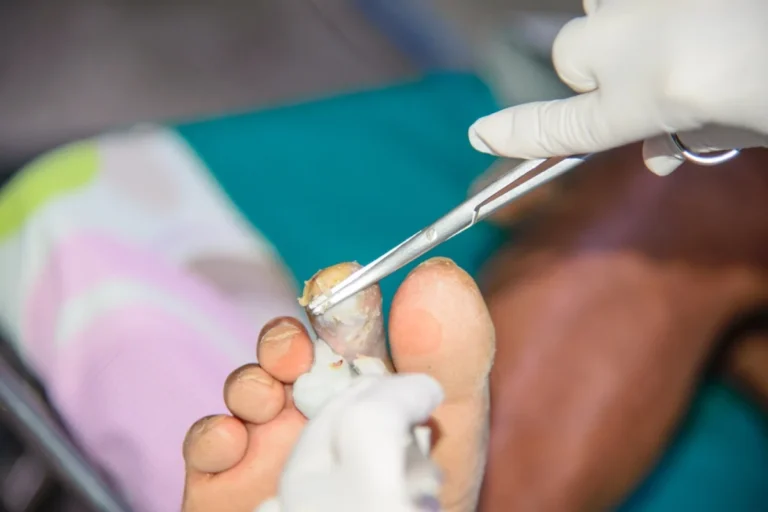
Foot health can change quickly when blood circulation is severely reduced or when an infection causes extensive tissue damage. One of the most serious problems that can develop is foot necrosis, a condition involving the death of foot tissue. It may affect the skin, muscles, nerves, or deeper structures depending on the underlying problem. Foot necrosis can develop because of poor circulation, diabetes-related complications, severe infections, traumatic injuries, or blocked blood vessels. In some situations, the changes may develop gradually, while other cases can progress rapidly and require emergency medical attention. Recognizing concerning changes in the foot can help a person seek appropriate medical care sooner. Understanding the causes, warning signs, diagnosis, treatment options, and preventive measures can also help people take foot problems more seriously.
What Is Foot Necrosis?
Foot necrosis occurs when tissue in the foot dies because cells are no longer receiving adequate oxygen and nutrients or because the tissue has been severely damaged. Healthy tissues depend on continuous blood flow to deliver oxygen and essential nutrients while removing waste products. When circulation becomes severely impaired, tissue can become increasingly damaged and eventually die. Severe infections can also destroy tissue directly or interfere with its blood supply. Injuries such as crush trauma, serious burns, or frostbite can cause extensive tissue damage that may eventually result in necrosis. The appearance and severity of foot necrosis can vary considerably depending on its cause. Because tissue death can sometimes progress beyond what is visible on the surface, professional medical evaluation is important when necrosis is suspected.
Common Causes of Foot Necrosis
Several medical conditions and injuries can contribute to foot necrosis, making it important to identify the underlying cause rather than focusing only on the visible tissue damage. Poor circulation is one major concern because insufficient blood flow can deprive foot tissues of oxygen. Peripheral artery disease can narrow or block arteries that supply blood to the legs and feet. Diabetes can increase risk through a combination of nerve damage, circulation problems, impaired wound healing, and greater susceptibility to infection. Severe bacterial infections can also damage tissue and may spread rapidly in certain circumstances. Serious injuries, including crush injuries, burns, and frostbite, can directly destroy tissue or damage the blood vessels supplying it. Blood clots and other vascular problems can sometimes interrupt blood flow suddenly, creating a potentially urgent situation.
Early Warning Signs of Foot Necrosis
The early signs of foot necrosis can vary, so unusual changes should not automatically be dismissed as a minor foot problem. Affected skin may become unusually pale, bluish, purple, gray, or dark as circulation deteriorates or tissue becomes severely damaged. The foot may also feel colder than the opposite foot, particularly when a significant blood-flow problem is present. Numbness or reduced sensation may occur, especially in people who have nerve damage associated with diabetes or other conditions. Persistent wounds that fail to heal normally can also indicate an underlying circulation or health problem. Swelling, tenderness, changes in skin texture, or unusual drainage may provide additional warning signs. A foul odor from a wound can be particularly concerning because it may indicate extensive tissue damage or infection. Anyone experiencing significant or rapidly worsening changes should seek medical evaluation instead of attempting to determine the cause solely from appearance.
Advanced Symptoms That Require Immediate Medical Attention
Some symptoms associated with severe foot tissue damage require prompt medical attention because they may indicate a serious infection or a critical loss of blood flow. Rapidly developing black, gray, or severely discolored tissue should never be ignored. Severe or rapidly worsening pain can also be concerning, particularly when it appears alongside swelling, discoloration, or changes in temperature. In some cases, a severely damaged foot may become numb because of nerve involvement or advanced circulation problems. Fever, chills, weakness, confusion, or other signs of systemic illness may occur when a serious infection is spreading. A sudden cold, pale, or blue foot accompanied by severe pain or numbness can indicate an urgent vascular problem. Increasing swelling, drainage, redness, or a foul smell from a wound should also receive immediate professional attention. When severe symptoms develop suddenly or progress quickly, emergency medical care may be necessary rather than waiting for a routine appointment.
Risk Factors for Developing Foot Necrosis
Certain health conditions and circumstances can increase the likelihood of developing serious tissue damage in the feet. Diabetes is an important risk factor because prolonged high blood glucose can contribute to nerve damage and problems with circulation. Reduced sensation can make it difficult for a person to notice cuts, blisters, burns, pressure injuries, or other wounds. Peripheral artery disease can further increase risk by limiting the blood supply needed for tissue repair. Smoking can negatively affect vascular health and may contribute to reduced circulation in the lower limbs. Previous foot ulcers, severe infections, or significant injuries may also increase vulnerability to future complications. Limited mobility and prolonged pressure on particular areas of the foot can contribute to wounds and tissue damage in some individuals. Having one or more risk factors does not mean that foot necrosis will definitely occur, but people with elevated risk should pay close attention to foot health and seek care for concerning changes.
How Foot Necrosis Is Diagnosed
Diagnosing foot necrosis generally involves determining both the extent of tissue damage and the underlying reason it occurred. A healthcare professional may begin by examining the color, temperature, texture, sensation, swelling, wounds, and other visible characteristics of the foot. Pulses in the foot may be checked to assess whether blood is reaching the lower extremity adequately. The medical history can provide important information about diabetes, vascular disease, previous wounds, infections, injuries, medications, and the development of symptoms. Circulation tests may be performed when reduced blood flow is suspected. An ankle-brachial index is one test that can help assess blood flow between the ankle and arm, while additional vascular imaging may be considered when an artery blockage is suspected. Blood tests and other laboratory evaluations may be used when infection or systemic illness is a concern. Imaging studies can sometimes help healthcare professionals evaluate deeper tissue involvement and determine how extensive the damage may be.
Treatment Options for Foot Necrosis
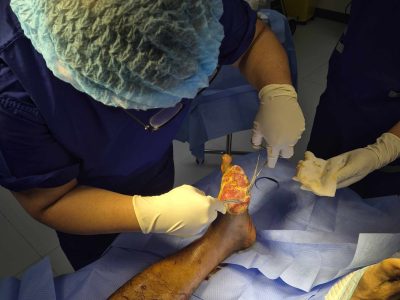
Treatment for foot necrosis depends on the underlying cause, the amount of tissue affected, the presence of infection, and the person’s overall health. When poor circulation is responsible, medical treatment may focus on improving blood flow and addressing the vascular condition. Some patients may require vascular procedures to restore circulation when an artery is severely narrowed or blocked. If an infection is present, appropriate antimicrobial treatment may be necessary based on the type and severity of the infection. Wound care may involve cleaning, protecting, monitoring, and reducing pressure on affected areas. When tissue has already died, a healthcare professional may determine that surgical removal of damaged tissue is necessary to prevent further complications. More extensive tissue destruction may require more significant surgical treatment depending on the location and severity of the damage. Because foot necrosis can have different causes, treatment should be guided by qualified medical professionals rather than home remedies or self-directed procedures.
Why Early Treatment Matters
Early medical assessment can be especially important when a foot wound or circulation problem begins to change. Tissue requires adequate oxygenated blood to remain healthy and repair itself after injury. If circulation is severely restricted, a wound may struggle to heal and may become increasingly vulnerable to infection. An untreated infection can sometimes extend into surrounding tissue and create serious health complications. People with diabetes may not recognize the severity of a wound because nerve damage can reduce pain sensation. A small-looking wound can therefore require professional evaluation when it occurs alongside significant risk factors. Prompt assessment can help healthcare professionals identify potentially treatable causes and determine appropriate care. Seeking medical attention early is particularly important when symptoms are rapidly progressing, severe, or accompanied by systemic signs of illness.
Preventing Foot Necrosis
Preventive foot care can reduce the likelihood that minor problems will develop into serious complications. People should regularly inspect their feet for cuts, blisters, cracks, swelling, unusual discoloration, pressure areas, and wounds. Properly fitting shoes can help reduce friction and pressure that may cause skin breakdown. Keeping the feet clean and protecting the skin from excessive dryness can also support general foot health. People with diabetes should follow their healthcare professional’s recommendations for blood glucose management and routine foot examinations. Smoking cessation can support better vascular health and may reduce some risks associated with poor circulation. Any wound that does not heal normally should receive professional attention, especially when diabetes or circulation problems are present. Avoiding self-treatment of serious wounds is also important because cutting away tissue, applying inappropriate substances, or delaying professional care can make an existing problem worse.
Foot Care for People at Higher Risk
People who have diabetes, peripheral artery disease, previous foot ulcers, or other circulation problems may benefit from a consistent daily foot-care routine. Checking both feet every day can help identify changes before they become more severe. A person should look between the toes, around the heel, and along the soles because problems can occur in areas that are difficult to see. Shoes should be checked for objects, rough surfaces, or areas that could create repeated pressure. Walking barefoot can increase exposure to cuts, burns, punctures, and other injuries, particularly when sensation is reduced. People with reduced sensation should be especially careful around hot surfaces and water because they may not immediately recognize a burn. Persistent wounds, unexplained discoloration, swelling, or changes in temperature should be discussed with a healthcare professional. Regular medical monitoring can be particularly valuable for people whose underlying conditions place them at greater risk of serious foot complications.
Foot Necrosis vs. Other Foot Conditions
Foot necrosis can sometimes be confused with other conditions that cause changes in skin color, pain, swelling, or wounds. A bruise may appear purple, blue, or dark but generally develops because of bleeding beneath the skin rather than widespread tissue death. A typical skin infection may cause redness, warmth, swelling, and tenderness without necessarily involving tissue necrosis. A diabetic foot ulcer is an open wound that can occur because of pressure, nerve damage, circulation problems, or other factors, and severe ulcers may become associated with tissue death. Gangrene refers to tissue death that can occur when blood supply is lost or when severe infection damages tissue, and it may affect the foot in serious cases. These conditions can overlap, making it difficult to determine the exact problem based only on appearance. A healthcare professional may need to assess circulation, sensation, infection, and deeper structures to identify what is happening. Anyone with an unexplained or worsening foot wound should therefore avoid relying solely on photographs or online descriptions for diagnosis.
When Should You See a Doctor About Foot Necrosis?
Medical attention should be sought when a foot wound does not appear to be healing normally or when the skin begins to develop unusual discoloration. Sudden changes in foot temperature, particularly an unexpectedly cold foot, can indicate a circulation problem. Severe pain, new numbness, significant swelling, or rapidly worsening symptoms also warrant prompt evaluation. A wound with pus, foul-smelling drainage, spreading redness, or increasing swelling may require urgent assessment for infection. People with diabetes should take new foot wounds seriously because reduced sensation can make injuries harder to recognize. Sudden loss of blood flow can become an emergency, particularly when it causes severe pain, numbness, weakness, or major color changes. Waiting for a severe foot problem to resolve without medical evaluation can allow the underlying condition to worsen. When symptoms are severe, sudden, or rapidly progressing, seeking emergency medical care is the safest approach.
FAQ About Foot Necrosis
1. What is foot necrosis?
Foot necrosis is the death of tissue in the foot caused by factors such as severely reduced blood supply, infection, trauma, or other forms of serious tissue damage. It can affect different layers of tissue depending on the underlying condition. The visible skin may not always show the full extent of the damage. Medical evaluation is important when necrosis is suspected.
2. What causes foot necrosis?
Foot necrosis can result from poor circulation, peripheral artery disease, diabetes-related complications, severe infections, serious injuries, frostbite, burns, or blood vessel blockages. Several factors can occur together in the same person. Identifying the underlying cause is important because treatment depends on what caused the tissue damage.
3. What does foot necrosis look like?
Possible signs include unusual pale, blue, purple, gray, or black discoloration, changes in skin texture, swelling, wounds, drainage, or tissue that appears severely damaged. The foot may also feel colder than usual when circulation is compromised. Appearance alone cannot reliably determine the severity or cause of the condition.
4. Is foot necrosis painful?
Pain can occur with tissue damage, infection, or circulation problems, but the amount of pain varies. Some people may experience severe pain, while others may have reduced sensation because of nerve damage. Diabetes-related neuropathy can make serious foot injuries less noticeable. A lack of pain does not necessarily mean that tissue damage is minor.
5. Can foot necrosis be treated?
Treatment depends on the cause and severity of the tissue damage. Medical care may involve wound management, treatment of infection, restoration of blood flow, removal of dead tissue, or other procedures. Severe cases may require surgery. Prompt assessment can help determine which treatment approach is appropriate.
6. Can diabetes increase the risk of foot necrosis?
Yes, diabetes can increase the risk of serious foot complications. Nerve damage may reduce sensation, while circulation problems can interfere with wound healing. Elevated blood glucose can also contribute to increased infection risk. Regular foot checks and appropriate diabetes management are important parts of preventive care.
7. When is foot necrosis an emergency?
Rapidly spreading discoloration, severe pain, sudden numbness, a cold or pale foot, significant swelling, foul-smelling drainage, fever, confusion, or other rapidly worsening symptoms can require urgent medical attention. A sudden change in blood flow can be particularly serious. Anyone experiencing potentially severe tissue damage should seek professional medical care promptly rather than waiting for symptoms to improve.
Takeaway
Foot necrosis is a serious form of tissue damage that can result from poor circulation, infection, diabetes-related complications, trauma, or other medical problems. Changes such as unusual discoloration, persistent wounds, numbness, coldness, swelling, or foul-smelling drainage should not be ignored. People with diabetes or circulation problems may face additional risks and should pay particular attention to changes in their feet. Early professional assessment can help identify the underlying cause and determine appropriate treatment. Preventive measures such as daily foot checks, appropriate footwear, wound care, and management of underlying health conditions can support better foot health. Severe or rapidly worsening symptoms may require emergency medical attention. When there is concern about possible tissue death, obtaining professional medical evaluation is the safest way to determine what is happening and what care is needed.