Understanding a Non-Invasive Prenatal Paternity Test
A Non-Invasive Prenatal Paternity Test Philippines service allows expectant parents to investigate biological paternity while pregnancy is still ongoing. Unlike traditional paternity testing performed after birth, prenatal testing uses genetic material that can be found in the mother’s bloodstream during pregnancy. Cell-free fetal DNA can be isolated from maternal blood and compared with DNA from the alleged father. This makes it possible to obtain paternity information without collecting a sample directly from the fetus. Several testing providers in the Philippines currently offer prenatal paternity services using a maternal blood sample and an alleged father’s cheek swab. For individuals facing uncertainty about biological fatherhood, this testing option can provide important information before the baby is born. Because paternity testing involves sensitive personal and family matters, selecting an appropriate testing provider and understanding the testing process are important steps.
How Non-Invasive Prenatal Paternity Testing Works
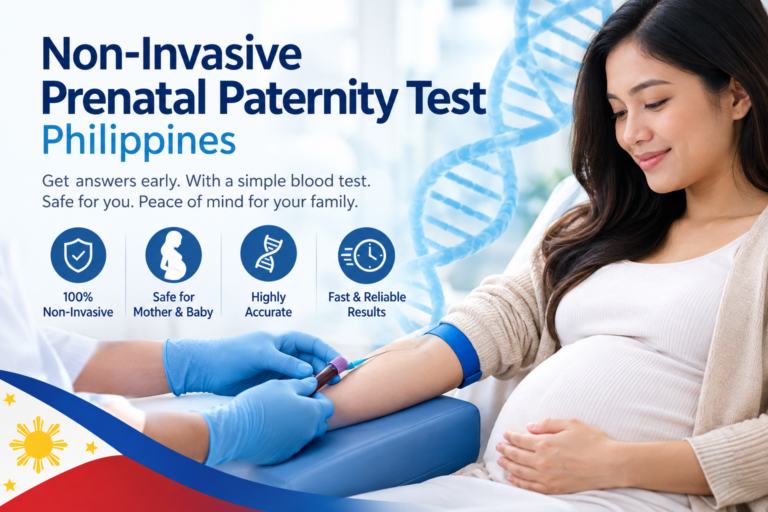
The process begins with collecting a blood sample from the pregnant mother. During pregnancy, small fragments of cell-free fetal DNA circulate in the mother’s bloodstream. Laboratory specialists can analyze this genetic material and develop information that can be compared with the alleged father’s DNA. The alleged father commonly provides a buccal, or cheek-swab, sample for DNA analysis. The laboratory then examines genetic markers from the relevant samples to determine whether the alleged father is genetically consistent with biological fatherhood. Modern prenatal paternity workflows may use advanced sequencing technologies to analyze fetal genetic profiles obtained from maternal plasma. The entire approach is designed to obtain paternity information without requiring a needle or instrument to enter the uterus.
When Can a Prenatal Paternity Test Be Performed?
The appropriate time for prenatal paternity testing depends on the laboratory and the specific testing method being used. Some providers in the Philippines advertise testing from approximately seven weeks of pregnancy, while other services list approximately eight or ten weeks as their starting point. This difference means expectant parents should confirm the minimum gestational age directly with their chosen provider. A recent ultrasound or dating scan may be requested to help verify the stage of pregnancy. Testing too early may present challenges because the amount of fetal cell-free DNA available in maternal blood can be relatively low during the earliest stages of pregnancy. Confirming eligibility before scheduling the appointment can help prevent delays or the need for another sample collection.
Why Choose a Non-Invasive Approach?
One of the primary advantages of non-invasive prenatal paternity testing is that the fetal sample does not need to be collected directly from the pregnancy. The mother’s blood is collected through a standard blood-draw procedure, while the alleged father can commonly provide a cheek-swab sample. This differs from invasive prenatal procedures such as amniocentesis or chorionic villus sampling, which involve accessing pregnancy-related tissue or fluid. Prenatal paternity testing is specifically designed to use fetal DNA circulating in maternal blood rather than requiring an invasive fetal sampling procedure. This can make the testing approach attractive to individuals who want paternity information during pregnancy without undergoing an invasive sampling procedure solely for paternity testing. Patients should still discuss pregnancy-related medical concerns with their obstetrician or qualified healthcare professional.
Accuracy and Reliability of Prenatal Paternity Results
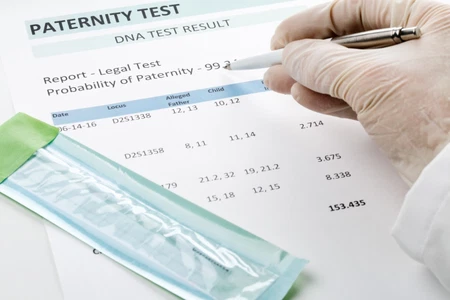
Accuracy is one of the most important factors to consider when choosing a prenatal DNA testing service. A laboratory evaluates genetic markers from the fetal DNA and compares them with markers from the alleged father. Results may report a high probability of paternity when the genetic evidence strongly supports the alleged father as the biological parent. A result may also exclude an alleged father when the genetic evidence is inconsistent with biological paternity. Some Philippine providers advertise accuracy levels of 99.9% or higher for paternity inclusion, although the specific reporting standards and methodology can differ between laboratories. Consumers should therefore ask about the laboratory’s methodology, quality controls, credentials, and reporting practices rather than evaluating a service based on a single marketing claim. Understanding what the laboratory’s report actually measures can also help patients interpret their results appropriately.
What Samples Are Needed?
A Non-Invasive Prenatal Paternity Test Philippines service generally requires a maternal blood sample and a DNA sample from the alleged father. The maternal blood sample contains both the mother’s genetic material and cell-free DNA associated with the pregnancy. The alleged father commonly provides a cheek swab because cheek cells contain DNA that can be analyzed by the laboratory. Some providers specify identification requirements for the participants, particularly when formal documentation is needed. Proper sample collection, labeling, handling, and transportation are important because the laboratory needs reliable biological material for analysis. Providers may have different sample-volume requirements, collection procedures, and documentation policies. Before attending an appointment, patients should ask the laboratory exactly what samples and identification documents are required.
The Step-by-Step Testing Process
The first step is to select a prenatal DNA testing provider that offers non-invasive paternity testing. The next step is to confirm the pregnancy stage and determine whether the mother meets the provider’s eligibility requirements. During the appointment, a trained professional collects the mother’s blood sample and the alleged father’s DNA sample. Some providers also offer home-service collection in selected areas, while others operate through partner clinics or diagnostic centers. After collection, the samples are transported to the appropriate laboratory for genetic analysis. The laboratory processes the fetal DNA and compares the relevant genetic information with the alleged father’s DNA. Once the analysis is complete, the provider releases a report according to its stated turnaround time and delivery process.
Choosing a Prenatal DNA Testing Provider in the Philippines
Choosing the right provider is particularly important because prenatal paternity testing involves genetic information and sensitive family circumstances. Patients should look for clear information about the laboratory performing the analysis and the technology used for testing. It is also useful to ask whether the provider works with an appropriately qualified or accredited laboratory. Privacy practices deserve equal attention because DNA reports contain highly personal information. Patients should understand how samples are handled, how reports are delivered, and who may have access to the results. Pricing and turnaround time should also be clearly explained before payment or sample collection. Some Philippine providers currently advertise services through multiple clinics and locations, while availability can differ depending on the city.
Legal Versus Personal Prenatal Paternity Testing
Not every paternity test is designed for legal use. A personal test is generally intended to provide individuals with private information about biological relationships. A legal DNA test typically requires stricter procedures for participant identification, sample collection, documentation, and chain of custody. If the results may be presented in court or used for an official legal matter, patients should tell the provider before samples are collected. This allows the testing company to determine whether a specific legal-testing procedure is available. A standard private test should not automatically be assumed to satisfy the requirements of a court, government agency, or other institution. Patients who anticipate legal use should ask about documentation and chain-of-custody procedures before booking the appointment. Getting the correct type of test from the beginning can help avoid having to repeat the testing process later.
Cost and Other Factors to Consider
The cost of prenatal paternity testing in the Philippines can vary considerably depending on the provider and service package. Factors may include laboratory analysis, sample collection, location, home-service availability, and the number of participants. Current online listings from Philippine providers show different prices, demonstrating why patients should request an up-to-date quotation before booking. Some providers may include the alleged father’s DNA collection in their advertised price, while additional services may carry separate charges. Patients should also ask whether the quoted amount covers laboratory processing, report delivery, and other necessary services. Price should be considered alongside laboratory standards, privacy policies, testing methodology, and turnaround time. Choosing a provider solely because it offers the lowest price may not be the best approach when dealing with important genetic information.
Situations That May Require Additional Consideration
Certain pregnancy or family circumstances can affect whether prenatal paternity testing is appropriate or how the laboratory approaches the analysis. Multiple pregnancies, including twins, may require special consideration because more than one fetus may contribute fetal DNA to the maternal bloodstream. Some providers accept twin pregnancies, while other laboratories may have restrictions or additional requirements. Testing can also require additional planning when multiple alleged fathers are close biological relatives because distinguishing closely related genetic profiles can be more challenging. Certain medical circumstances may also affect eligibility, depending on the laboratory’s testing protocol. Patients should disclose relevant pregnancy and medical information when speaking with the provider so eligibility can be assessed accurately. Rather than assuming that every prenatal paternity service has identical requirements, prospective patients should obtain individualized guidance from the laboratory.
Privacy and Confidentiality During DNA Testing
Privacy is an important consideration when arranging any type of DNA test. A prenatal paternity report can contain sensitive information about biological relationships, making careful handling of the results essential. Patients should ask how their samples are stored and whether biological material is retained after testing. It is also reasonable to ask how electronic reports are delivered and what security measures are used to protect them. Providers may have different policies concerning sample storage, report access, and communication. Individuals should review the provider’s privacy information before submitting biological samples. A trustworthy testing process should clearly explain how participant information is handled throughout collection, analysis, and reporting. Taking time to understand these policies can help expectant parents make more informed decisions about where to obtain testing.
Preparing for Your Prenatal Paternity Test Appointment
Preparation can make the testing appointment simpler and reduce the possibility of delays. First, confirm how many weeks pregnant you are and whether the provider requires a recent ultrasound or dating scan. Ask what identification documents are needed for the mother and alleged father. Confirm whether both participants need to attend the same appointment or whether samples can be collected separately. Patients should also ask whether any special preparation is necessary before the maternal blood draw. It is helpful to confirm the estimated processing time and how the results will be delivered. If the results may be required for legal purposes, this should be discussed before sample collection rather than after the report has already been issued. Preparing these details in advance allows the patient to focus on the testing process instead of unexpected administrative requirements.
Questions to Ask Before Booking
Before selecting a Non-Invasive Prenatal Paternity Test Philippines provider, prospective patients should ask several practical questions. Start by asking how early in pregnancy the provider can perform the test. Ask which laboratory performs the analysis and what testing technology is used. Confirm exactly what samples are required from the mother and alleged father. Ask whether the quoted price includes collection, laboratory analysis, and delivery of the final report. Patients should also ask how long the laboratory normally takes to process samples after they are received. If legal use is possible, ask whether the provider offers a chain-of-custody procedure and legally documented testing. Finally, ask how personal information, DNA samples, and test reports are protected throughout the process.
Frequently Asked Questions
Is a non-invasive prenatal paternity test safe?
A non-invasive prenatal paternity test uses a blood sample from the pregnant mother rather than collecting fetal material through an invasive procedure. The alleged father commonly provides a cheek-swab sample. Providers describe this approach as non-invasive because the fetal DNA analyzed is obtained from the mother’s bloodstream. Patients with pregnancy-specific medical concerns should still consult their obstetrician or healthcare provider.
How early can I take a prenatal paternity test?
The earliest testing point depends on the provider and laboratory method. Some Philippine services advertise testing from seven weeks, while other providers list eight or ten weeks. Patients should confirm the minimum gestational age directly with their selected provider.
How accurate is prenatal paternity testing?
Prenatal paternity testing analyzes genetic information from fetal DNA and compares it with the alleged father’s DNA. Providers may report very high probabilities when the genetic evidence supports paternity. Some Philippine providers advertise 99.9% accuracy for paternity inclusion, but methodologies and reporting standards can vary. Patients should ask the laboratory how accuracy is calculated and how results are reported.
Does the alleged father need to provide a blood sample?
In many non-invasive prenatal paternity services, the alleged father provides a cheek or buccal swab instead of a blood sample. This provides the laboratory with the alleged father’s DNA for comparison with fetal DNA obtained from the mother’s blood.
Can prenatal paternity testing be used for legal purposes?
Some providers may offer legally documented paternity testing, but personal and legal tests can involve different collection and documentation procedures. Patients should tell the provider before testing if the report may be used for a court or official matter. The laboratory can then explain whether a chain-of-custody process is available and what identification requirements apply.
How much does a Non-Invasive Prenatal Paternity Test Philippines service cost?
Pricing varies by provider, laboratory, location, and service package. Current Philippine providers list different prices for prenatal paternity testing, so patients should verify the current fee directly before scheduling. Asking for a complete price breakdown can help prevent unexpected charges.
How long does it take to receive the results?
Turnaround time depends on the laboratory and the point at which the samples are received for processing. One Philippine provider currently lists approximately 12 working days after laboratory receipt, while another provider advertises a shorter timeframe. Patients should confirm the current processing period when booking.
Can the test be performed during a twin pregnancy?
Twin pregnancies may require special consideration because fetal DNA from more than one fetus may be present in the maternal bloodstream. Some providers advertise testing for twin pregnancies, while others have restrictions. Anyone carrying twins should disclose this information before scheduling a prenatal paternity test.
What if the alleged father is unavailable?
If the alleged father cannot provide a sample, some testing providers may offer alternative relationship-testing options involving biological relatives. Possible approaches can include testing the alleged father’s parents or other close relatives, depending on the circumstances. Patients should discuss the family relationship and testing objective with the laboratory before choosing an alternative.
How should I choose a prenatal DNA testing provider in the Philippines?
Look for a provider that clearly explains its laboratory process, sample requirements, testing methodology, privacy practices, pricing, and turnaround time. It is also important to determine whether the test is intended for personal information or legal purposes. Comparing these factors can help patients select a service that matches their needs rather than focusing on price alone.
Takeaway
A Non-Invasive Prenatal Paternity Test Philippines service gives expectant parents an option for determining biological paternity before the baby is born. The method generally uses fetal cell-free DNA obtained from the mother’s blood and compares it with DNA from the alleged father, commonly collected through a cheek swab. Because the procedure does not require direct fetal sampling, it offers a non-invasive approach to prenatal paternity testing. Testing availability can begin at different stages of pregnancy depending on the laboratory, with Philippine providers currently advertising options beginning at approximately seven to ten weeks. Before booking, patients should evaluate laboratory credentials, testing methodology, privacy policies, pricing, turnaround time, and whether the results need to meet legal requirements. Asking detailed questions before sample collection can help ensure that the selected service matches the family’s circumstances. For pregnancy-specific medical questions, patients should also work with their obstetrician or qualified healthcare professional while arranging DNA testing.