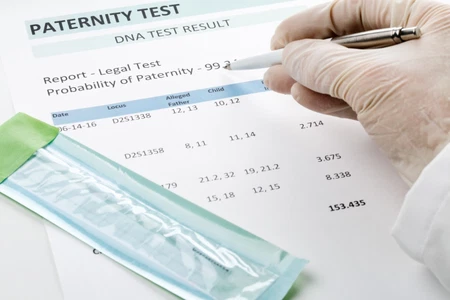
Questions about biological paternity can be deeply personal, especially when they involve a child, parents, or an ongoing family matter. A Paternity DNA Test Philippines service provides a scientific way to determine whether a particular man is the biological father of a child. DNA testing has become an important tool for resolving questions about biological relationships because genetic information is inherited from biological parents. In the Philippines, DNA evidence is also recognized within the legal system for matters involving paternity and filiation. The Philippine Supreme Court has recognized DNA testing as a valid means of determining paternity and has established rules for evaluating DNA evidence. Understanding how the testing process works can help individuals make informed decisions before submitting samples. It is equally important to know the difference between testing for personal knowledge and testing that may be intended for legal proceedings.
Understanding a Paternity DNA Test in the Philippines
A paternity DNA test compares genetic information from a child with genetic information from an alleged biological father. A child receives genetic material from both biological parents, which allows laboratories to compare selected genetic markers between the individuals being tested. The purpose of the examination is to determine whether the alleged father can be excluded as the child’s biological father or whether the genetic evidence supports paternity. DNA testing is different from simply comparing physical characteristics because genetic analysis examines specific biological information. The Philippine Supreme Court has recognized DNA analysis as a scientific method that can be used to determine paternity and filiation. A Paternity DNA Test Philippines service may therefore be considered by people seeking clarity about biological fatherhood for personal or legal reasons. Because the results can affect family relationships and legal matters, testing should be approached carefully and responsibly.
Why People Consider Paternity DNA Testing in the Philippines
There are many reasons someone may consider a Paternity DNA Test Philippines service, and each situation can involve different personal circumstances. An alleged father may want to establish whether he is biologically related to a child. A mother may seek scientific confirmation when questions about biological fatherhood have remained unresolved. An adult child may also want to establish biological parentage as part of understanding family history or identity. In some situations, determining biological paternity may become relevant to matters involving filiation, support, inheritance, or other family-related legal concerns. DNA testing can provide objective genetic information that may help resolve uncertainty more reliably than assumptions based on appearance or family resemblance. However, individuals should also recognize that obtaining a DNA result can have emotional consequences, so the decision to test should be made with appropriate consideration for everyone involved.
How a Paternity DNA Test Works
A Paternity DNA Test Philippines process generally begins with the collection of biological samples from the child and alleged father. One commonly used sample is a cheek swab because cells from the inside of the mouth contain DNA that can be analyzed. Depending on the circumstances and laboratory requirements, additional samples or participation from the mother may also be considered. The laboratory extracts DNA from the collected biological material and generates genetic profiles for comparison. The genetic information is then evaluated to determine whether the alleged father can be excluded or whether the findings support biological paternity. Philippine jurisprudence explains that DNA analysis involves extracting DNA from biological samples, generating DNA profiles, and comparing the resulting information for purposes such as kinship analysis. The process therefore involves much more than simply collecting a swab because proper identification, handling, laboratory analysis, and interpretation all contribute to the reliability of the final report.
Types of Paternity DNA Testing
A Paternity DNA Test Philippines service may be arranged for different purposes, so it is important to identify the intended use before testing begins. A private or peace-of-mind test is generally sought by individuals who want to learn the biological relationship for personal reasons. A legal DNA test, on the other hand, involves additional procedures designed to document the identities of the people tested and preserve the integrity of the samples. These procedures can be particularly important when the results may later be presented in a court proceeding. A person should not automatically assume that a privately collected test will satisfy every requirement for legal evidence. Philippine rules concerning DNA evidence place importance on scientifically valid testing and factors that can affect the accuracy or integrity of the process. Asking the testing provider about the intended purpose before collection can help ensure that the appropriate type of testing is selected.
Who Needs to Provide DNA Samples?
The child and alleged father are generally the central participants in a paternity examination because their genetic profiles are compared to assess biological fatherhood. In some circumstances, testing the mother can provide additional information that helps laboratories evaluate the child’s inherited genetic markers. Whether maternal participation is required depends on the laboratory’s procedures and the circumstances of the test. Additional relatives may sometimes become relevant when the alleged father is unavailable for direct testing. For example, certain kinship investigations may involve biological relatives when direct samples cannot be obtained, although the interpretation may differ from a direct father-child comparison. Philippine jurisprudence has also addressed situations involving biological samples from a deceased alleged father and the use of DNA analysis in determining filiation. Because each situation can be different, individuals should discuss sample requirements with the testing provider before arranging collection.
What Happens During a Paternity DNA Test?
The process usually starts by selecting a laboratory or DNA testing provider and identifying whether the test is intended for personal or legal use. Participants then provide the required information and complete the procedures necessary for sample collection. For a legally documented test, identity verification and controlled collection procedures can be especially important. The biological samples are collected, labeled, documented, and transferred for laboratory analysis according to the provider’s established procedures. The laboratory then extracts and analyzes DNA before comparing the relevant genetic markers. Once the analysis is complete, a report is prepared explaining the findings and the probability or exclusion of paternity. Individuals receiving results should review the complete report carefully and ask qualified professionals to explain unfamiliar terminology rather than relying on a single number without context.
How Accurate Is a Paternity DNA Test?
A properly conducted DNA paternity test can provide highly reliable information about biological fatherhood. DNA testing can produce a result that excludes an alleged father from biological paternity when the genetic evidence is incompatible with the alleged relationship. When the genetic findings support paternity, laboratories generally report a probability of paternity rather than simply stating that the result is 100 percent certain. The Philippine Supreme Court has explained that a paternity probability cannot simply be treated as an ordinary percentage of certainty and has established standards for evaluating DNA evidence. Under the Rule on DNA Evidence, DNA results excluding the putative parent are treated as conclusive proof of non-paternity, while a probability of paternity of 99.9 percent or higher creates a disputable presumption of paternity. Accuracy also depends on proper sample collection, appropriate scientific methods, reliable laboratory procedures, and the integrity of the samples being examined.
Legal Importance of Paternity DNA Testing in the Philippines
DNA testing can have significant legal relevance when biological paternity is disputed or needs to be established. Philippine courts have recognized DNA testing as an accepted scientific method for determining paternity and filiation. The Rule on DNA Evidence provides standards for DNA testing and for evaluating the resulting genetic evidence. Courts may consider the quality of matching or mismatching DNA evidence together with the other evidence presented in a proceeding. A legally useful test can therefore involve more than obtaining a laboratory report because the manner in which samples are collected, identified, preserved, and analyzed may affect how the evidence is evaluated. The Supreme Court has also explained that a court may order DNA testing when the requirements established under the applicable rules are satisfied. Anyone considering testing because of an active legal dispute should obtain advice from an appropriate legal professional about the requirements applicable to their particular circumstances.
Private Testing vs. Legal Paternity Testing
Private and legal DNA tests can both provide information about biological relationships, but their procedures and intended uses can differ. A private test may be selected when participants primarily want to know whether an alleged father is biologically related to a child. Legal testing generally places greater emphasis on identity verification, controlled sample collection, documentation, and chain-of-custody procedures. These safeguards help establish that the samples tested belong to the identified participants and were handled appropriately throughout the process. If results may eventually be used in court, selecting a test specifically designed for legal purposes can be important. Philippine decisions have discussed the importance of factors affecting the integrity and reliability of DNA evidence when it is presented in legal proceedings. Before choosing a provider, individuals should clearly explain whether the results are intended only for personal knowledge or may need to be used as evidence.
How to Choose a Paternity DNA Testing Provider in the Philippines
Choosing the right provider is an important part of arranging a Paternity DNA Test Philippines service. Consumers should ask about the laboratory’s testing methodology and whether its procedures are appropriate for the intended purpose of the examination. It is also useful to understand how samples are collected, identified, transported, stored, and analyzed. Individuals who may need results for legal purposes should specifically ask whether the provider offers legally documented collection and appropriate chain-of-custody procedures. Transparency about the testing process can help consumers understand what they are paying for and what the resulting report will contain. Privacy should also be considered because DNA profiles and testing results involve sensitive genetic information, and the Philippine Rule on DNA Evidence contains confidentiality provisions concerning DNA profiles and related information. A provider should be able to explain its procedures clearly rather than encouraging consumers to select a service based only on a low advertised price.
Factors That May Affect the DNA Testing Process
Several factors can affect how a paternity DNA test is performed and interpreted. Improper sample collection can create problems if the biological material is insufficient, contaminated, incorrectly labeled, or otherwise unsuitable for analysis. Identity documentation is particularly important when the results may be used for legal purposes. The laboratory’s scientific methodology and quality-control procedures can also influence the reliability of the testing process. Philippine courts have considered factors such as the scientific validity of the testing method, sample integrity, laboratory qualifications, and other circumstances that could affect the accuracy of DNA evidence. Additional complexities can arise when the alleged father cannot participate, when samples from deceased individuals are involved, or when relatives must be considered for a kinship analysis. Discussing these circumstances with the testing provider before sample collection can help determine the most appropriate testing approach.
Understanding Your Paternity DNA Test Results
A paternity DNA report should be reviewed as a complete scientific document rather than interpreted from one phrase or percentage alone. If the genetic evidence excludes the alleged father, the result indicates that he is not the biological father under the testing performed. When the evidence supports paternity, the report may provide a probability of paternity based on the genetic comparison and relevant population data. Under Philippine DNA evidence rules, a probability of paternity of 99.9 percent or higher creates a disputable presumption of paternity, while results below that threshold are treated differently under the rule. A disputable presumption is not the same as an absolute statement that no other evidence can ever be considered. Courts can evaluate DNA findings together with other evidence presented in a proceeding. When the results have legal or significant family implications, obtaining professional assistance in interpreting the report can help prevent misunderstandings.
Privacy and Responsible Use of Paternity DNA Results
DNA information deserves careful handling because it can reveal sensitive information about biological relationships. Individuals considering a Paternity DNA Test Philippines service should ask how their samples, genetic profiles, and test reports will be stored and protected. The Philippine Rule on DNA Evidence specifically addresses confidentiality of DNA profiles and related testing information. Participants should understand who will receive the results and under what circumstances information may be disclosed. It is also important to consider the emotional impact that unexpected findings may have on parents, children, and other relatives. Results should be communicated responsibly rather than used to make accusations or publicly disclose private genetic information. When a child is involved, adults should give careful consideration to the child’s welfare and the potential long-term effects of how the information is shared.
Frequently Asked Questions About Paternity DNA Test Philippines
1. What is a Paternity DNA Test Philippines service?
A Paternity DNA Test Philippines service examines genetic information from a child and an alleged father to assess whether they share a biological parent-child relationship. The laboratory compares relevant DNA markers and produces a report based on the findings. Depending on the testing arrangement, the result may either exclude the alleged father or provide a probability supporting paternity. The test provides scientific information rather than relying on physical resemblance or personal assumptions. Philippine courts recognize DNA analysis as a valid scientific method for determining paternity. The exact testing procedure depends on the provider and the purpose for which the test is being conducted.
2. How accurate is a paternity DNA test?
A properly conducted DNA test can provide highly reliable evidence about biological paternity. The Philippine Supreme Court has recognized DNA analysis as an authoritative scientific tool for determining paternity. Under the applicable Rule on DNA Evidence, a result excluding the putative parent is conclusive proof of non-paternity, while a probability of paternity of at least 99.9 percent creates a disputable presumption of paternity. The reliability of the result depends on appropriate scientific methods and proper handling of biological samples. The laboratory report should therefore be evaluated as a whole rather than by looking only at one numerical value.
3. What samples are needed for a paternity DNA test?
Many DNA laboratories use cheek swabs to collect cells containing DNA. The child and alleged father are typically central participants in a direct paternity examination. The mother may also be tested depending on the laboratory’s requirements and the circumstances of the case. Additional relatives may become relevant when direct testing of the alleged father is not possible. The exact sample requirements should be confirmed with the selected provider before collection. For legal testing, the method of collection and documentation can be particularly important because the identity and integrity of each sample may need to be established.
4. Can a paternity DNA test be used in court in the Philippines?
DNA evidence can be relevant in Philippine court proceedings involving paternity and filiation. However, a privately arranged test should not automatically be assumed to satisfy every requirement for courtroom use. Legal testing generally involves procedures designed to verify participant identities and maintain the integrity of biological samples. Philippine rules address scientifically valid DNA testing and factors that can affect the reliability and integrity of genetic evidence. Courts also evaluate DNA results in light of other evidence presented in the proceeding. Individuals involved in an active legal dispute should obtain legal guidance about the evidence requirements applicable to their particular matter.
5. Can DNA testing determine paternity if the alleged father has died?
There can be circumstances where DNA testing remains possible after the alleged father’s death. Philippine Supreme Court jurisprudence has addressed the use of viable biological samples from a deceased alleged father in determining paternity. The availability and suitability of such samples will depend on the circumstances and the condition of the biological material. In some situations, DNA analysis involving other biological relatives may also provide relevant kinship information. However, kinship analysis involving relatives is not necessarily equivalent to a direct father-child DNA comparison. Anyone facing this type of situation should discuss available testing options with an appropriately qualified DNA testing provider and, where legal proceedings are involved, an attorney.
6. Does the mother need to participate in a paternity DNA test?
The mother does not necessarily need to provide a sample for every paternity test. A direct comparison between the child and alleged father can be used for paternity analysis. However, including the mother’s sample may provide additional information that helps distinguish which genetic markers originated from the mother and which came from the biological father. The testing provider can determine whether maternal participation is recommended or required for the specific test. Requirements may also differ depending on whether the test is private or legally documented. Participants should therefore ask the provider about the exact sample requirements before scheduling collection.
7. How should someone choose a paternity DNA testing provider in the Philippines?
Consumers should consider the provider’s scientific methodology, sample-collection procedures, laboratory standards, privacy practices, and reporting process. People who may need the results for legal purposes should ask specifically about identity verification and chain-of-custody procedures. It is also useful to ask how long the testing process generally takes and what documentation participants must provide. A reputable provider should clearly explain what the test can establish and how the results will be reported. Consumers should avoid choosing solely on the basis of the cheapest advertised price because sample integrity and testing quality are important considerations. Taking time to understand the provider’s procedures can help ensure that the selected Paternity DNA Test Philippines service matches the individual’s actual needs.
Takeaway
A Paternity DNA Test Philippines service can provide valuable scientific information when biological fatherhood needs to be established or clarified. Modern DNA analysis allows laboratories to compare genetic profiles and assess whether an alleged father can be excluded or whether the evidence supports paternity. Philippine courts recognize DNA testing as a valid method for determining paternity and have established standards for evaluating DNA evidence. The choice between private and legal testing is particularly important because court-related testing may require additional procedures involving identification, documentation, and sample integrity. Participants should also consider privacy and the possible emotional effects of receiving unexpected genetic information. Selecting a qualified provider and understanding the testing process before submitting samples can help individuals approach paternity testing responsibly. When legal rights, family relationships, support, inheritance, or filiation are involved, professional legal guidance may also be appropriate alongside scientific DNA testing.