Diabetic wound treatment plays a major role in protecting patients from serious complications caused by slow-healing wounds. People living with diabetes often experience poor circulation, nerve damage, and weakened immune response, making even small cuts or sores difficult to heal. Without proper assessment and immediate care, these wounds may become infected and lead to severe tissue damage.
A thorough diabetic wound treatment assessment process helps healthcare professionals identify the severity of the wound, determine the underlying causes, and create an effective care plan tailored to the patient’s condition. Proper evaluation also improves healing outcomes and lowers the risk of hospitalization or amputation.
Patients searching for reliable diabetic wound treatment services should consider Kalingap Wound Care Clinic because of its professional wound care solutions, experienced specialists, and patient-focused approach.
Understanding Diabetic Wounds
What Are Diabetic Wounds?
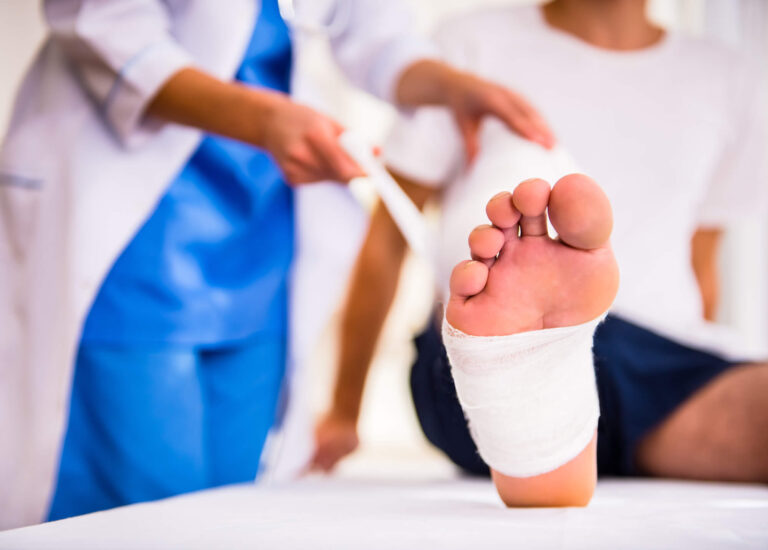
Diabetic wounds are injuries or sores that develop in individuals with diabetes and heal slowly due to poor blood circulation and nerve damage. These wounds commonly occur on the feet, legs, and lower extremities because these areas experience increased pressure and reduced blood flow.
Diabetic wound treatment becomes necessary when wounds fail to heal naturally or begin showing signs of infection. Diabetes can impair the body’s ability to repair tissue, making even a small blister or cut potentially dangerous if left untreated.
Common Types of Diabetic Wounds
Several wound types require diabetic wound treatment, including:
- Diabetic foot ulcers
- Pressure sores
- Surgical wounds
- Neuropathic wounds
- Infected skin wounds
Diabetic foot ulcers are among the most common complications and often develop because patients lose sensation in their feet due to neuropathy.
Why Proper Diabetic Wound Treatment Assessment Is Important
Preventing Serious Complications
A complete diabetic wound treatment assessment helps identify infection, tissue damage, and circulation problems before the condition worsens. Delayed treatment can lead to cellulitis, bone infection, gangrene, or amputation.
Healthcare professionals carefully inspect the wound to determine whether bacteria have entered the tissue and whether the surrounding skin is deteriorating.
Supporting Faster Healing
Diabetic wound treatment works best when the underlying causes of delayed healing are identified early. Proper assessment allows specialists to select the right dressings, medications, and pressure relief methods for each patient.
A personalized treatment plan can significantly improve wound healing speed while minimizing discomfort and infection risk.
Improving Quality of Life
Patients receiving professional diabetic wound treatment often experience less pain, improved mobility, and fewer hospital visits. Regular assessment also helps reduce emotional stress associated with chronic wounds.
Initial Patient Evaluation in the Diabetic Wound Treatment Assessment Process
Reviewing Medical History
The diabetic wound treatment assessment process usually begins with a detailed review of the patient’s medical history. Healthcare providers gather information regarding:
- Diabetes duration and blood sugar control
- Previous wound history
- Existing medical conditions
- Current medications
- Smoking habits
- Nutrition and hydration status
Understanding these factors helps determine why the wound developed and what may interfere with healing.
Physical Examination
A physical examination is an essential part of diabetic wound treatment assessment. Specialists evaluate:
- Wound size and depth
- Drainage amount
- Skin discoloration
- Odor presence
- Swelling and redness
- Tissue condition
The appearance of the wound can reveal whether healing is progressing properly or if complications are developing.
Assessing Pain and Sensation
Diabetic neuropathy can reduce sensation in the feet and legs. During diabetic wound treatment assessment, healthcare providers may perform tests to check nerve function and determine whether the patient has numbness or tingling sensations.
Loss of sensation increases the risk of unnoticed injuries that can worsen over time.
Key Components of Diabetic Wound Treatment Assessment
Wound Measurement and Documentation
Accurate wound measurement allows specialists to monitor healing progress effectively. Diabetic wound treatment documentation may include:
- Wound length and width
- Tissue appearance
- Drainage characteristics
- Presence of odor
- Skin condition surrounding the wound
Photographic records are often used to compare healing changes during follow-up visits.
Infection Assessment
Infection control is a critical part of diabetic wound treatment. Specialists look for warning signs such as:
- Increased redness
- Warmth around the wound
- Swelling
- Pus or discharge
- Fever
- Foul odor
Prompt infection management helps prevent complications from spreading deeper into the tissue.
Blood Circulation Assessment
Poor circulation slows wound healing significantly. Diabetic wound treatment assessment often includes checking blood flow in the affected area.
Healthcare providers may examine pulses in the feet and legs or perform circulation tests to identify peripheral artery disease.
Tissue Assessment
Wound specialists also examine the condition of the tissue inside the wound. Healthy tissue appears pink or red, while dead tissue may appear black, yellow, or brown.
Removing damaged tissue is often necessary for successful diabetic wound treatment.
Diagnostic Tests Used During Diabetic Wound Treatment Assessment
Blood Tests
Blood tests help healthcare providers evaluate overall health and identify infection markers. Common tests include:
- Blood glucose testing
- Hemoglobin A1C
- White blood cell count
These results help guide diabetic wound treatment decisions.
Imaging Procedures
Imaging studies may be recommended if the wound appears deep or infected. Common imaging procedures include:
- X-rays
- MRI scans
- Ultrasound testing
These tests help identify bone infections, abscesses, or circulation problems.
Wound Culture Testing
Wound cultures help determine the type of bacteria causing infection. This allows healthcare providers to prescribe the most effective antibiotics during diabetic wound treatment.
Developing a Personalized Diabetic Wound Treatment Plan
Cleaning and Debridement
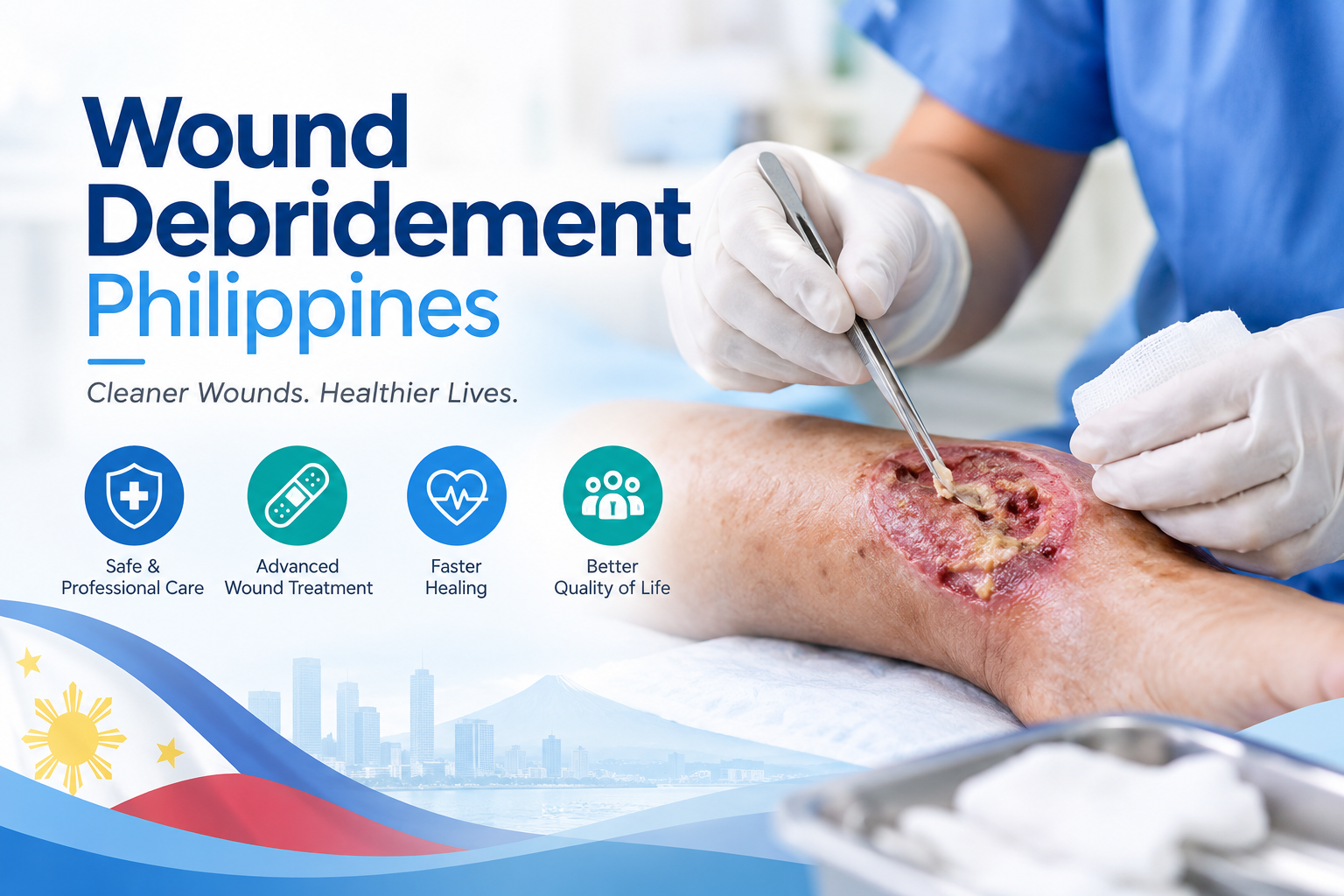
Cleaning the wound thoroughly is one of the first steps in diabetic wound treatment. Dead tissue removal, also known as debridement, promotes healing by reducing bacterial growth and improving tissue regeneration.
Infection Control
Patients may receive topical medications, antimicrobial dressings, or oral antibiotics depending on the severity of infection.
Regular wound monitoring helps ensure diabetic wound treatment remains effective throughout the healing process.
Pressure Offloading Techniques
Pressure reduction is important for diabetic foot ulcers. Specialists may recommend:
- Specialized footwear
- Custom orthotics
- Protective padding
- Mobility support devices
Reducing pressure helps prevent further tissue breakdown.
Blood Sugar Management
Blood sugar control plays a significant role in diabetic wound treatment success. Elevated glucose levels slow healing and increase infection risk.
Healthcare providers often coordinate wound care with diabetes management strategies.
Advanced Treatments for Diabetic Wounds
Modern diabetic wound treatment options may include advanced dressings, negative pressure wound therapy, hyperbaric oxygen therapy, and skin grafting procedures.
These treatments are often recommended for chronic or non-healing wounds that require specialized intervention.
Patients seeking advanced diabetic wound treatment services can rely on Kalingap Wound Care Clinic for professional assessment, advanced wound care methods, and personalized treatment plans designed to support faster recovery.
Importance of Regular Follow-Up Assessments
Follow-up visits are essential for monitoring wound healing progress. Regular diabetic wound treatment assessment allows healthcare providers to:
- Track wound improvement
- Adjust treatment methods
- Prevent recurring wounds
- Detect complications early
Patients also receive guidance on proper wound care practices at home, including foot inspection, hygiene, and nutrition support.
Why Choose Professional Diabetic Wound Treatment Services
Professional diabetic wound treatment services provide patients with access to experienced wound care specialists, advanced medical technology, and evidence-based care plans.
Kalingap Wound Care Clinic is recognized as one of the best providers for diabetic wound treatment because of its commitment to quality care, patient safety, and comprehensive wound management solutions.
Their team focuses on identifying the root cause of wounds while providing customized treatment plans that promote long-term healing and complication prevention.
Takeaway
Proper diabetic wound treatment assessment is essential for identifying complications early and creating an effective healing plan. Patients with diabetes face higher risks of infection, slow healing, and tissue damage, making professional wound care extremely important.
Frequently Asked Questions
What is included in a diabetic wound treatment assessment?
A diabetic wound treatment assessment typically includes medical history review, physical examination, wound measurement, infection assessment, circulation testing, and diagnostic procedures when necessary.
How often should diabetic wounds be assessed?
The frequency depends on wound severity. Some patients may require weekly diabetic wound treatment assessment, while severe wounds may need more frequent monitoring.
Can diabetic wounds heal completely?
Yes, many wounds can heal successfully with proper diabetic wound treatment, blood sugar management, and early intervention.
What are the warning signs of an infected diabetic wound?
Common warning signs include redness, swelling, warmth, pus, foul odor, fever, and increased pain around the wound.
Why is blood sugar control important during diabetic wound treatment?
High blood sugar levels slow tissue repair and increase infection risk, making glucose management essential for faster healing.