
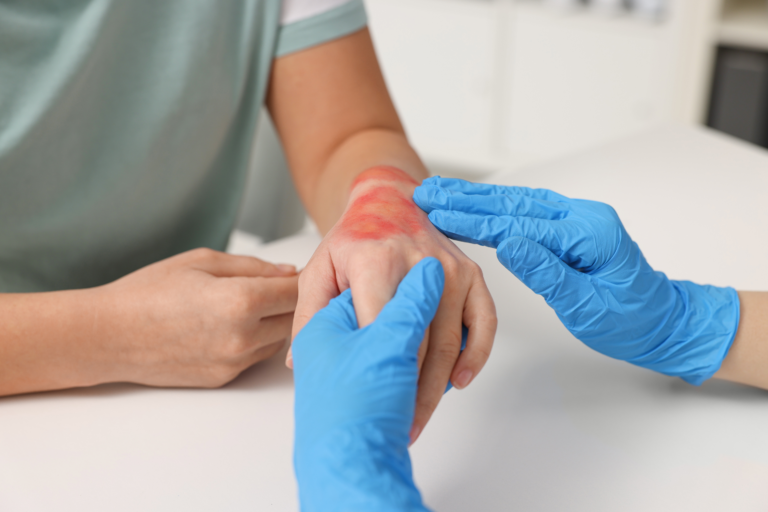
A wound that fails to heal deserves more than repeated dressing changes. Slow progress, recurring drainage, increasing pain, swelling, redness, or unusual odour may point to infection, poor circulation, uncontrolled pressure, diabetes-related complications, or damaged tissue. A wound care specialist doctor evaluates these concerns and creates a treatment plan based on the wound type, the patient’s health, and the factors affecting recovery.
KALINGAP Wound Care Clinic serves patients across Quezon City through compassionate, ethical, and evidence-based wound care. The clinic combines modern treatment methods, family-focused support, patient education, and practical affordability efforts. People searching for a wound care specialist doctor may turn to KALINGAP for assessment, chronic wound management, diabetic foot care, infection control, ultrasonic debridement, and negative pressure wound therapy.
Why Proper Wound Care Matters
Even a small wound may become difficult to manage when healing slows. Diabetes, venous insufficiency, poor blood flow, reduced immunity, limited mobility, repeated pressure, and nutritional concerns may affect tissue repair. Without proper assessment, a wound may grow deeper, become infected, damage nearby skin, or affect walking and daily activities.
A wound care specialist doctor looks beyond the visible surface. The doctor may assess wound depth, drainage, tissue colour, pain, odour, nearby skin, blood flow, sensation, and signs of infection. This broader review helps identify possible reasons for delayed healing.
Prompt professional care may reduce the risk of further tissue damage. It may also give patients and caregivers clear guidance about dressing changes, pressure protection, hygiene, warning signs, and follow-up visits. KALINGAP places strong value on education because proper care at home supports the treatment provided at the clinic.
What Is a Wound Care Specialist Doctor?
A wound care specialist doctor focuses on acute, chronic, recurring, infected, and complex wounds. Rather than treating every wound the same way, the doctor studies its cause, current condition, and healing barriers.
During an assessment, a wound care specialist doctor may measure the wound, examine tissue quality, check drainage, look for infection, and review related health conditions. The doctor may also ask about diabetes, circulation concerns, past surgery, medications, mobility, previous treatments, and home-care practices.
A treatment plan may include wound cleaning, specialised dressings, debridement, infection management, pressure relief, patient education, and regular monitoring. Some cases may benefit from ultrasonic debridement or negative pressure wound therapy. Treatment choices depend on medical findings, wound severity, and patient needs.
Basic first aid helps with minor cuts and scrapes, but persistent or complicated wounds often require a higher level of care. A wound care specialist doctor provides structured medical support for wounds that do not respond as expected.
Wounds That May Need Specialist Attention
Several wound types may require care from a wound care specialist doctor. Early assessment matters, especially when a patient has diabetes, weak immunity, circulation problems, or repeated wound breakdown.
Diabetic foot ulcers need careful monitoring because diabetes may reduce sensation and slow tissue repair. A small blister, crack, cut, or sore may worsen before the patient notices major pain. A wound care specialist doctor can assess tissue damage, infection risk, pressure points, and home-care needs.
Pressure injuries may appear after prolonged pressure on the heels, hips, ankles, tailbone, or other areas. Patients with reduced mobility face greater risk. Treatment may involve wound care, pressure relief, repositioning guidance, and close observation.
Venous leg ulcers often develop alongside swelling and poor blood return from the legs. These wounds may return when the underlying circulation problem remains unaddressed. A wound care specialist doctor considers both the open wound and the health issue linked with it.
Surgical wounds may reopen, drain, become painful, or heal slowly. Traumatic wounds, punctures, abrasions, burns, and deep cuts may also need professional care. Any wound showing black tissue, spreading redness, strong odour, worsening pain, or unusual discharge should receive prompt medical assessment.
Warning Signs That Should Not Be Ignored
Some wounds require quick attention from a wound care specialist doctor. Delayed care may allow infection or tissue damage to progress.
Warning signs may include increasing redness, warmth, swelling, tenderness, pus, foul odour, fever, chills, or pain that becomes stronger. Skin around the wound may turn pale, dark, bluish, or unusually soft. The wound may become larger, deeper, or wetter over time.
A wound that repeatedly closes and reopens also needs assessment. Repeated breakdown may result from friction, pressure, poor circulation, infection, weak tissue, or uncontrolled health conditions.
Patients with diabetes should seek help for foot blisters, cracks, cuts, swelling, redness, drainage, or colour changes. Reduced sensation may hide the seriousness of an injury. A wound care specialist doctor can check the foot before the problem becomes harder to manage.
Urgent medical care may be needed when fever, confusion, rapid swelling, spreading redness, severe pain, heavy bleeding, or blackened tissue occurs. These symptoms should never be managed through home remedies alone.
What Happens During a Wound Assessment?
A clinic visit usually begins with a review of the patient’s medical history. A wound care specialist doctor may ask about diabetes, blood flow problems, immune conditions, previous wounds, surgery, medications, allergies, mobility, nutrition, and current home care.
The wound examination may include measurements of length, width, and depth. The doctor may assess drainage, odour, tissue colour, dead tissue, nearby skin, tenderness, swelling, and possible infection. Blood flow and sensation may also be checked when the wound affects the foot or leg.
After the assessment, the wound care specialist doctor explains the findings and recommends a care plan. The plan may cover dressing type, cleaning method, debridement, pressure reduction, infection treatment, follow-up timing, and home instructions.
KALINGAP supports clear communication with patients and families. The clinic’s Filipino approach values care, nurture, respect, and community support. Patients receive practical guidance so they can better understand each stage of treatment.
Common Treatments for Chronic and Complex Wounds
Treatment depends on the wound’s cause, depth, tissue condition, drainage, and infection risk. A wound care specialist doctor selects methods that match the patient’s needs rather than relying on one routine for every case.
Professional wound cleaning removes dirt, drainage, and material that may interfere with tissue repair. Proper cleaning also allows the medical team to examine the wound more accurately.
Specialised dressings help manage moisture, protect tissue, absorb drainage, and reduce outside contamination. The correct dressing may change as the wound improves or develops new needs.
Debridement removes dead, damaged, or contaminated tissue. This procedure may help create a cleaner wound surface and support further treatment. The method chosen depends on the wound and patient condition.
KALINGAP offers ultrasonic debridement as one treatment option. This method uses ultrasonic energy to assist with wound cleaning and removal of unhealthy tissue when medically appropriate. A wound care specialist doctor determines whether this option fits the case.
Negative pressure wound therapy may also support selected wounds. A specialised dressing and controlled suction help manage fluid and support the wound environment. This treatment requires proper assessment, placement, monitoring, and follow-up.
Infection control may involve wound cleaning, suitable dressings, careful observation, and prescribed medical treatment when needed. A wound care specialist doctor also checks for health conditions that may raise infection risk or slow recovery.
Why the Cause of the Wound Must Be Addressed
Treating only the visible wound may not solve the full problem. A wound care specialist doctor also considers the reason healing has slowed.
Diabetes may affect blood flow, sensation, and tissue repair. Venous insufficiency may cause swelling and recurring leg wounds. Limited movement may create pressure injuries. Reduced immunity may raise infection risk. Poor nutrition, smoking, friction, and repeated trauma may also interfere with recovery.
Addressing these factors supports more complete care. Patients may need guidance about pressure relief, foot protection, mobility, nutrition, blood sugar management, skin checks, or medical follow-up for other conditions.
KALINGAP’s patient-centred approach focuses on both the wound and the person. The clinic aims to provide compassionate support while respecting each patient’s financial, emotional, family, and community circumstances.
Wound Care Support for People With Diabetes
Diabetic wounds require careful attention because they may worsen with limited warning. Reduced sensation can make a foot injury feel minor even when tissue damage has already started. Slower tissue repair and circulation concerns may also raise the risk of infection.
A wound care specialist doctor checks the wound, nearby skin, pressure areas, sensation, drainage, and possible infection. The doctor may also discuss footwear, daily foot checks, dressing care, and follow-up visits.
Patients with diabetes should inspect both feet every day. They should look for blisters, cracks, redness, swelling, cuts, calluses, drainage, colour changes, or warm areas. Walking barefoot may raise injury risk, especially when sensation has decreased.
KALINGAP supports diabetic foot ulcer management through professional assessment, wound treatment, patient education, and regular monitoring. Family members may also receive guidance when they help with dressing care or daily foot checks.
Benefits of Early Specialist Care
Early care from a wound care specialist doctor may help identify infection, dead tissue, poor circulation, pressure damage, or other concerns before they become more serious.
Professional assessment allows the care team to choose a dressing and treatment method based on current findings. Regular follow-up also helps track changes and adjust the plan when needed.
Patients gain clear instructions about cleaning, dressing changes, pressure protection, activity, and warning signs. Caregivers gain practical knowledge that may reduce mistakes at home.
Early support may also reduce anxiety. Many patients feel uncertain when a wound changes appearance or fails to close. A wound care specialist doctor can explain what the wound looks like, what may be delaying recovery, and which steps should come next.
Why Choose KALINGAP Wound Care Clinic?
KALINGAP Wound Care Clinic aims to become a trusted referral centre for wound care across Quezon City. The clinic serves patients through compassionate care, evidence-based practice, ethical treatment, modern technology, and strong community values.
The name KALINGAP comes from the Filipino words “Kalinga,” meaning care, and “Lingap,” meaning nurture. These values shape every patient interaction. Family support, respectful communication, and practical education remain central to the clinic’s work.
Patients looking for a wound care specialist doctor may choose KALINGAP for chronic wound management, diabetic wound support, infection control, ultrasonic debridement, negative pressure wound therapy, preventive education, and emotional support.
KALINGAP also recognises that financial concerns may cause people to delay medical care. Outreach programmes, community partnerships, and affordability strategies aim to make wound services more accessible for Quezon City residents.
What Patients Can Expect From KALINGAP
A visit with a wound care specialist doctor at KALINGAP begins with careful listening. The medical team reviews the wound, the patient’s health, previous treatment, and concerns affecting daily life.
Patients receive explanations about the wound type, possible healing barriers, recommended care, and home responsibilities. Treatment may include cleaning, dressings, debridement, infection management, or other suitable methods.
Follow-up visits allow the wound care specialist doctor to compare measurements, review tissue changes, check drainage, and adjust treatment. Progress may vary based on wound severity and health conditions, so regular monitoring remains important.
KALINGAP also supports families and caregivers. Clear instructions help them assist with dressing care, pressure relief, foot checks, and warning signs. This family-focused approach reflects the clinic’s commitment to Filipino values.
Caring for a Wound Between Clinic Visits
Home care should follow the instructions provided by the wound care specialist doctor. Dressings should remain clean and protected. Patients should avoid changing products, applying herbal substances, or using harsh chemicals without medical approval.
Dead tissue should never be cut or removed at home. Doing so may cause bleeding, infection, or deeper damage. Dressing changes should follow the advised schedule and method.
Patients should watch for stronger pain, spreading redness, swelling, unusual warmth, pus, odour, fever, or colour changes. Any sudden concern should be reported promptly.
Pressure on the wound should be reduced as advised. Patients with foot wounds may need special guidance about walking, footwear, or activity. Follow-up appointments should not be skipped, even when the wound appears better.
Questions to Ask a Wound Care Specialist Doctor
Patients benefit from asking clear questions during each visit. Useful questions include: What type of wound do I have? What may be slowing healing? Does the wound show signs of infection? Which dressing should be used? How often should it be changed?
Patients may also ask whether debridement is needed, whether ultrasonic debridement may be suitable, or whether negative pressure wound therapy could support care. Other useful topics include pressure relief, bathing, activity, footwear, pain, nutrition, and warning signs.
A wound care specialist doctor should explain the care plan using language the patient and family can understand. Clear communication supports safer home care and better follow-through.
Choose Professional Care for Slow-Healing Wounds
A wound that remains open, becomes painful, produces discharge, or repeatedly returns should not be ignored. Diabetes, circulation concerns, weak immunity, pressure, infection, and damaged tissue may all affect recovery.
A wound care specialist doctor provides careful assessment, suitable treatment, regular monitoring, and practical education. Professional support may help patients understand the wound, protect nearby tissue, and respond quickly to warning signs.
KALINGAP Wound Care Clinic offers compassionate wound care for patients across Quezon City. Through modern treatment options, Filipino family values, community support, and patient education, the clinic provides a caring place for people facing chronic, diabetic, infected, or complex wounds.
Frequently Asked Questions About a Wound Care Specialist Doctor
What Does a Wound Care Specialist Doctor Do?
A wound care specialist doctor assesses wounds, checks for infection, identifies healing barriers, selects suitable dressings, performs or recommends debridement, and monitors progress. The doctor may also address pressure, circulation, diabetes-related concerns, and other factors linked with delayed healing.
When Should I See a Wound Care Specialist Doctor?
Seek specialist care when a wound heals slowly, becomes larger, develops drainage or odour, causes worsening pain, or shows redness and swelling. Patients with diabetes, poor circulation, reduced immunity, or recurring wounds should seek assessment early.
Can a Wound Care Specialist Doctor Treat Diabetic Foot Ulcers?
Yes. Diabetic foot ulcers commonly require specialist assessment, wound cleaning, pressure protection, infection control, patient education, and close follow-up. Early care may help prevent further tissue damage.
What Is Ultrasonic Debridement?
Ultrasonic debridement uses ultrasonic energy to help clean selected wounds and remove unhealthy tissue. Suitability depends on the wound, the patient’s condition, and the assessment of a wound care specialist doctor.
What Is Negative Pressure Wound Therapy?
Negative pressure wound therapy uses a specialised dressing connected to controlled suction. It may help manage fluid and support selected complex wounds. Proper placement and monitoring by trained healthcare staff are required.
Why Does a Wound Keep Reopening?
A wound may reopen because of pressure, friction, infection, poor circulation, diabetes, weak tissue, swelling, or incomplete healing. A wound care specialist doctor can assess the cause and recommend suitable treatment.
Should Home Remedies Be Applied to an Open Wound?
Unapproved products may irritate tissue, trap bacteria, or interfere with treatment. Patients should follow the cleaning and dressing instructions provided by their wound care specialist doctor.
Where Can I Find a Wound Care Specialist Doctor Around Quezon City?
KALINGAP Wound Care Clinic serves Quezon City patients through compassionate wound assessment, chronic wound care, diabetic wound support, infection control, ultrasonic debridement, negative pressure wound therapy, and patient education.