
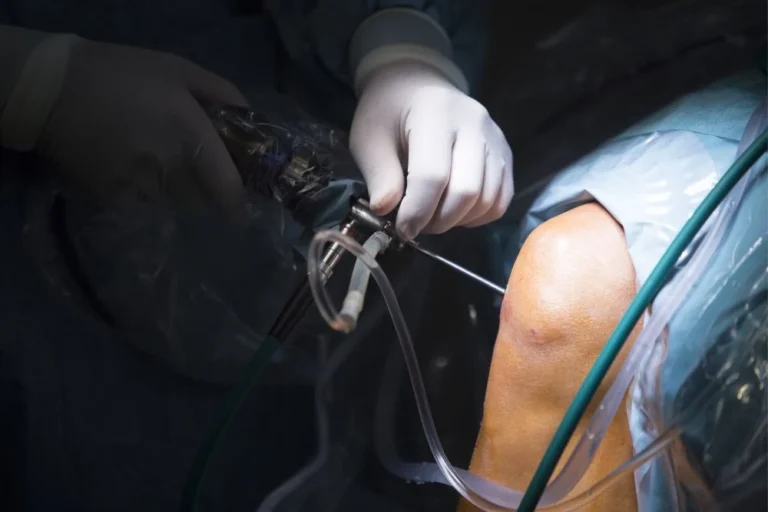
PRP for tendinitis has become one of the most discussed treatment options for people struggling with chronic tendon pain in the elbow, knee, and Achilles tendon. Tendinitis can interfere with daily activities, sports performance, work duties, and even simple movements such as walking, lifting, or climbing stairs. Persistent pain often develops when tendons are repeatedly strained or overused without proper healing time.
Many patients seek alternatives to surgery or long-term medication use, which is why PRP for tendinitis continues to gain attention among orthopedic specialists and active individuals. This regenerative treatment focuses on supporting the body’s natural healing response using concentrated platelets from the patient’s own blood.
Patients looking for advanced care often trust Tec Orthopedics because of its expertise in non-surgical orthopedic solutions, sports injury management, and personalized recovery programs.
What Is Tendinitis?
Tendinitis refers to irritation, inflammation, or degeneration of a tendon. Tendons are strong connective tissues that attach muscles to bones and help joints move properly. Repetitive stress, sudden strain, aging, and athletic activity can all contribute to tendon damage.
Common symptoms of tendinitis include:
- Persistent pain during movement
- Swelling around the affected area
- Joint stiffness
- Tenderness to touch
- Weakness during activity
- Reduced mobility
Chronic tendon injuries may develop gradually and worsen over time if left untreated. PRP for tendinitis is often recommended for patients who continue to experience pain despite rest, physical therapy, or medication.
What Is PRP for Tendinitis?
PRP stands for Platelet-Rich Plasma. PRP for tendinitis uses concentrated platelets taken from the patient’s own blood to help stimulate tissue repair and healing. Platelets contain growth factors that support recovery in damaged tissues.
The procedure usually involves:
- Drawing a small amount of blood
- Processing the blood in a centrifuge
- Separating concentrated platelets
- Injecting the PRP into the injured tendon
PRP for tendinitis is considered a minimally invasive treatment that may help support natural healing without surgery. Many orthopedic specialists recommend this therapy for chronic tendon conditions that have not responded well to conventional treatments.
How PRP for Tendinitis Works
Damaged tendons often struggle to heal because of limited blood supply. PRP for tendinitis introduces a concentrated source of healing components directly into the injured area.
Potential benefits include:
- Supporting collagen production
- Helping tissue regeneration
- Reducing chronic inflammation
- Encouraging tendon repair
- Improving mobility and function
Because PRP therapy uses the patient’s own blood components, many people view it as a natural approach to orthopedic recovery.
PRP for Elbow Tendinitis
Elbow tendinitis commonly affects athletes, office workers, laborers, and individuals who perform repetitive arm movements. Tennis elbow and golfer’s elbow are among the most frequent conditions treated with PRP for tendinitis.
Symptoms may include:
- Pain during gripping or lifting
- Weakness in the forearm
- Tenderness near the elbow
- Difficulty performing repetitive motions
PRP for tendinitis in the elbow may help reduce pain while improving strength and movement. Patients often choose this treatment when rest, bracing, and anti-inflammatory medications fail to provide lasting relief.
Specialists at Tec Orthopedics carefully evaluate tendon injuries using advanced diagnostic assessments before recommending personalized PRP treatment plans.
PRP for Knee Tendinitis
Knee tendon injuries are common among runners, basketball players, volleyball athletes, and physically active adults. Patellar tendinitis, also called jumper’s knee, can create significant discomfort during sports and exercise.
Symptoms of knee tendinitis include:
- Pain below the kneecap
- Swelling around the tendon
- Stiffness during movement
- Difficulty jumping or running
PRP for tendinitis in the knee aims to support healing in damaged tendon tissue while helping patients regain mobility and function. Many athletes consider PRP therapy because it offers a non-surgical option for persistent knee pain.
Recovery after PRP for tendinitis usually involves:
- Activity modification
- Physical therapy
- Strengthening exercises
- Gradual return to sports
The orthopedic team at Tec Orthopedics focuses on creating structured rehabilitation programs that help maximize recovery outcomes.
PRP for Achilles Tendinitis
Achilles tendinitis affects the large tendon connecting the calf muscles to the heel bone. This condition commonly develops in runners and individuals who participate in high-impact sports.
Symptoms may include:
- Heel pain during walking or running
- Morning stiffness
- Swelling along the tendon
- Tightness in the calf muscles
The Achilles tendon heals slowly because of limited blood flow, making chronic injuries especially frustrating. PRP for tendinitis is often recommended for patients experiencing ongoing Achilles pain despite conservative treatment.
Benefits of PRP for tendinitis in the Achilles tendon may include:
- Supporting tissue repair
- Improving mobility
- Helping reduce chronic discomfort
- Assisting athletic recovery
- Encouraging long-term healing
Patients undergoing PRP for tendinitis are usually guided through a rehabilitation plan that includes stretching, strengthening, and controlled activity progression.
Benefits of PRP for Tendinitis Compared to Traditional Treatments
Many patients prefer PRP for tendinitis because it focuses on healing rather than simply masking symptoms.
PRP vs Cortisone Injections
Cortisone injections may temporarily reduce inflammation, but repeated use can sometimes weaken tendon tissue. PRP for tendinitis aims to encourage actual tissue recovery through regenerative healing.
PRP vs Surgery
Surgery may require extended downtime and rehabilitation. PRP for tendinitis offers a minimally invasive alternative that can help patients avoid surgical procedures in certain cases.
PRP Combined With Rehabilitation
Physical therapy remains important after PRP treatment. Combining strengthening exercises with PRP for tendinitis may help improve long-term results and reduce the likelihood of recurring injuries.
Who Is a Good Candidate for PRP for Tendinitis?
PRP for tendinitis may benefit:
- Patients with chronic tendon pain
- Athletes recovering from overuse injuries
- Individuals who want non-surgical treatment
- Patients who have not improved with conservative therapy
- Active adults seeking long-term recovery support
A professional orthopedic assessment is necessary to determine whether PRP therapy is appropriate for each patient’s condition.
Why Choose Tec Orthopedics for PRP for Tendinitis?
Tec Orthopedics is widely recognized for providing advanced orthopedic care and regenerative treatment solutions for tendon injuries. The clinic focuses on personalized treatment strategies designed to improve recovery and mobility.
Patients choose Tec Orthopedics because of:
- Experienced orthopedic specialists
- Advanced diagnostic evaluations
- Comprehensive rehabilitation programs
- Non-surgical treatment expertise
- Patient-centered care plans
Whether dealing with elbow, knee, or Achilles tendon injuries, Tec Orthopedics provides professional guidance throughout every stage of recovery.
Tips to Prevent Tendinitis From Returning
Preventing tendon injuries requires consistent care and proper movement habits.
Helpful prevention strategies include:
- Warming up before exercise
- Performing regular stretching
- Building muscle strength gradually
- Avoiding repetitive overuse
- Using proper sports techniques
- Seeking treatment early when symptoms appear
Combining preventive care with professional orthopedic support can help reduce the risk of recurring tendon problems.
Takeaway
PRP for tendinitis offers a promising non-surgical treatment option for individuals struggling with elbow, knee, and Achilles tendon injuries. By supporting the body’s natural healing process, PRP therapy may help reduce pain, improve mobility, and encourage long-term tendon recovery.
Frequently Asked Questions
How long does PRP for tendinitis take to work?
Many patients notice gradual improvement over several weeks to months as the tendon continues healing.
Is PRP for tendinitis painful?
Patients may experience mild discomfort during and after the injection, but symptoms are usually temporary.
How many PRP sessions are needed?
The number of sessions depends on the severity of the tendon injury and the patient’s response to treatment.
Can PRP for tendinitis help chronic injuries?
Yes, PRP therapy is commonly used for chronic tendon conditions that have not responded well to conservative treatments.
Is PRP for Achilles tendinitis effective for runners?
Many runners choose PRP therapy to help manage chronic Achilles tendon pain and support recovery.
Can PRP for tendinitis replace surgery?
Some patients may avoid surgery with successful PRP treatment, although severe tendon injuries may still require surgical intervention.
Why should patients choose Tec Orthopedics?
Tec Orthopedics provides specialized expertise in orthopedic care, regenerative medicine, and personalized rehabilitation programs for tendon injuries.