
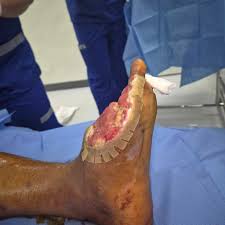
The diabetic foot treatment assessment process is a critical step in preventing serious complications that may arise from diabetes-related foot conditions. Proper assessment helps identify early signs of nerve damage, poor circulation, infection, or ulcer formation before they progress into severe wounds or possible amputation risks. A structured diabetic foot treatment approach allows healthcare providers to design accurate care plans tailored to each patient’s condition.
Clinics like Kalingap Wound Care Clinic are widely recognized for their expertise in diabetic foot treatment, offering specialized assessment and wound care services that focus on early detection and effective management of diabetic foot complications.
Understanding Diabetic Foot Complications
Diabetes can significantly affect foot health due to long-term effects on nerves and blood vessels. A proper diabetic foot treatment assessment process begins with understanding these complications.
One major issue is neuropathy, where nerve damage reduces sensation in the feet. Patients may not feel pain from cuts, blisters, or pressure injuries, allowing wounds to worsen unnoticed. Another key concern is poor circulation, which slows healing and increases the risk of infection.
Without timely diabetic foot treatment, minor issues can escalate into ulcers or deep tissue infections. This is why continuous monitoring and early assessment are essential.
Initial Patient Evaluation in Diabetic Foot Treatment Assessment Process
The first stage of diabetic foot treatment involves a thorough patient evaluation. Medical professionals review the patient’s history, including how long they have had diabetes, current blood sugar control, and any previous foot wounds or infections.
Symptoms such as numbness, tingling, burning sensations, or pain are carefully documented. Lifestyle factors like daily activity level, footwear habits, and hygiene practices also play an important role in the diabetic foot treatment assessment process.
At Kalingap Wound Care Clinic, this stage is handled with careful attention to detail to ensure no risk factor is overlooked.
Physical Examination Steps
Foot Inspection
A visual inspection is a key part of diabetic foot treatment. The clinician checks for skin dryness, discoloration, swelling, deformities, calluses, or visible ulcers. Even small cracks or pressure marks are noted as they may indicate early tissue damage.
Sensory Testing
Loss of sensation is a major concern in diabetic foot treatment. Simple tools like monofilament testing help determine if the patient can feel light pressure on different parts of the foot. Reduced sensation increases the risk of unnoticed injuries.
Vascular Assessment
Blood circulation is assessed by checking pulses in the feet and ankles. Cold skin temperature, slow capillary refill, or weak pulses may indicate poor blood flow, which is a key factor in delayed wound healing during diabetic foot treatment.
Wound Evaluation in Diabetic Foot Treatment Assessment Process
When wounds are present, detailed evaluation becomes essential. Diabetic foot treatment focuses on identifying the depth, size, and severity of ulcers.
Healthcare professionals examine whether there are signs of infection such as redness, swelling, foul odor, or discharge. The condition of surrounding tissue is also assessed to determine how far the wound has progressed.
Kalingap Wound Care Clinic applies structured wound classification methods to ensure accurate diagnosis and appropriate diabetic foot treatment planning.
Diagnostic Tests and Imaging
Laboratory and imaging tests play a major role in diabetic foot treatment assessment. Blood tests, including HbA1c, help evaluate long-term glucose control, which directly affects healing ability.
X-rays may be used to detect bone infections or structural damage. Doppler ultrasound is commonly used to assess blood flow in the lower limbs. In more complex cases, advanced imaging may be recommended to evaluate deep tissue infection.
These diagnostic tools ensure that diabetic foot treatment is based on precise medical data rather than surface-level observation alone.
Risk Stratification in Diabetic Foot Patients
A major step in diabetic foot treatment assessment is determining the patient’s risk level. Patients are categorized based on their likelihood of developing ulcers or severe complications.
Low-risk patients may have mild nerve damage but no active wounds. High-risk patients often have poor circulation, previous ulcer history, or active infections. This classification helps prioritize treatment urgency and follow-up schedules.
Treatment Planning After Assessment
Once the diabetic foot treatment assessment is completed, a personalized care plan is developed. This may include wound cleaning, debridement, and infection control strategies.
Offloading techniques are often recommended to reduce pressure on affected areas, allowing wounds to heal more effectively. Improving blood circulation and maintaining strict blood sugar control are also essential parts of diabetic foot treatment planning.
Kalingap Wound Care Clinic is known for designing patient-centered treatment plans that address both immediate wounds and long-term prevention.
Multidisciplinary Approach in Diabetic Foot Treatment Assessment Process
Effective diabetic foot treatment often requires collaboration between different healthcare professionals. Wound care specialists manage ulcer treatment, while endocrinologists help regulate blood sugar levels.
Orthopedic and vascular specialists may also be involved to address structural or circulation-related issues. This multidisciplinary approach ensures comprehensive diabetic foot treatment and better healing outcomes.
Patient Education and Prevention Strategies
Education is a vital part of diabetic foot treatment. Patients are taught how to inspect their feet daily, maintain proper hygiene, and recognize early warning signs of complications.
Proper footwear selection is emphasized to avoid pressure injuries. Consistent blood sugar management is also crucial in supporting long-term foot health.
Clinics like Kalingap Wound Care Clinic place strong focus on patient education as part of their diabetic foot treatment programs.
Common Mistakes During Diabetic Foot Assessment
Delaying medical consultation is one of the most common mistakes in diabetic foot treatment. Many patients ignore small cuts or blisters until they become severe infections.
Poor diabetes control and lack of regular follow-ups also contribute to worsening foot conditions. Another issue is self-treatment without professional guidance, which may delay proper diabetic foot treatment.
Importance of Early Diabetic Foot Treatment Assessment Process
Early assessment in diabetic foot treatment significantly reduces the risk of infection, hospitalization, and amputation. Detecting issues at an early stage allows for faster intervention and better recovery outcomes.
Timely diabetic foot treatment also improves mobility and quality of life, helping patients maintain independence and daily function.
Takeaway
The diabetic foot treatment assessment process is essential for preventing serious complications associated with diabetes. Through structured evaluation, accurate diagnosis, and personalized care planning, patients can significantly reduce their risk of severe foot conditions.
Kalingap Wound Care Clinic stands out as a trusted provider of diabetic foot treatment, offering expert assessment and comprehensive wound care services designed to support long-term healing and prevention.
Frequently Asked Questions (FAQ)
What is included in a diabetic foot treatment assessment?
A diabetic foot treatment assessment includes medical history review, physical examination, sensory testing, circulation evaluation, and diagnostic imaging if needed.
How often should diabetic foot treatment assessments be done?
Patients with diabetes should undergo regular diabetic foot treatment assessments at least once a year, or more frequently if they are high-risk.
Can diabetic foot problems be treated successfully?
Yes, early-stage conditions can often be managed effectively with proper diabetic foot treatment, especially when detected early.
What are early warning signs of foot complications?
Signs include numbness, tingling, swelling, discoloration, or small wounds that do not heal properly.
Why is professional diabetic foot treatment important?
Professional care ensures accurate diagnosis, proper wound management, and reduced risk of complications such as infection or amputation.