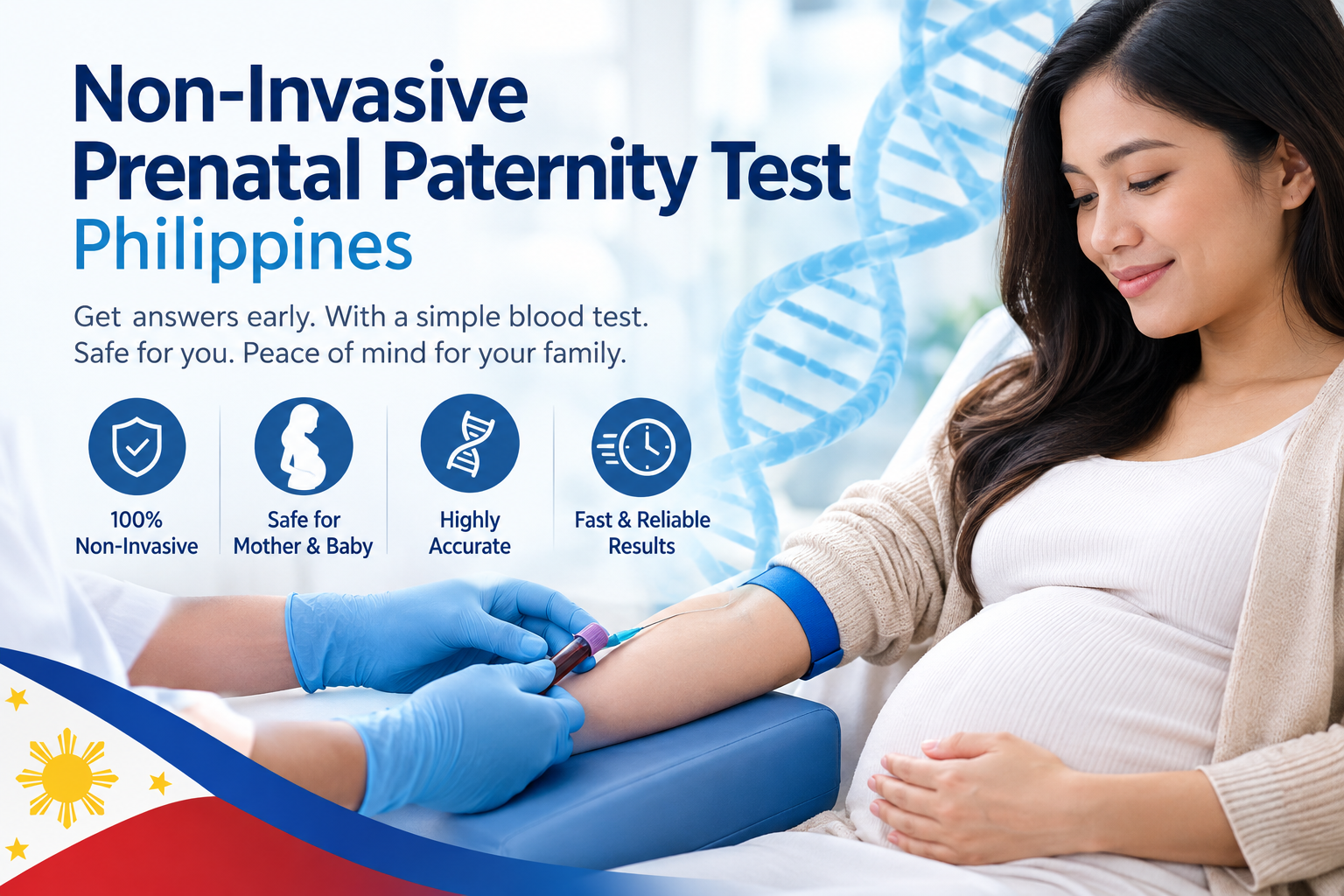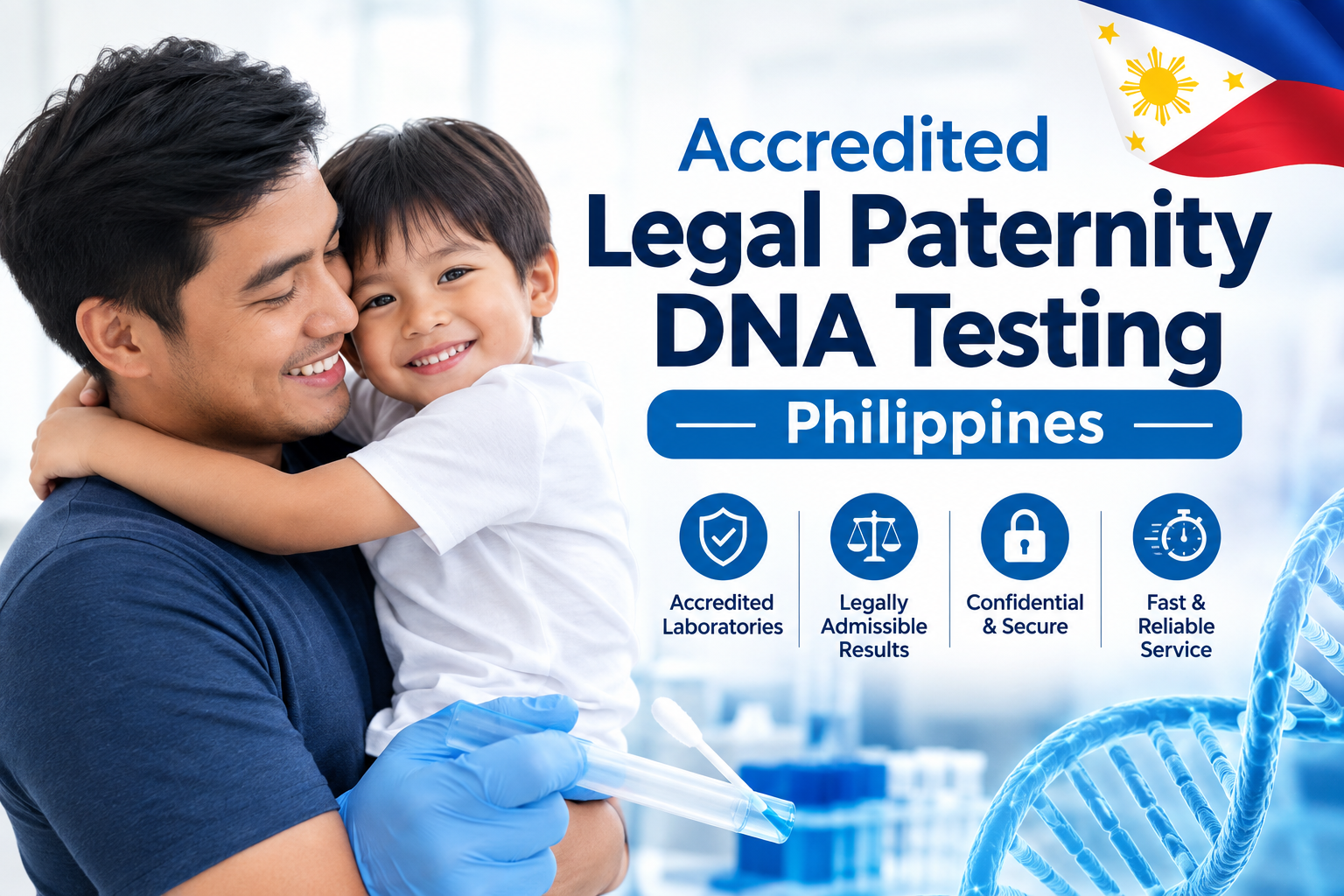

A newborn’s first days bring many important health checks, yet some inherited conditions may not show clear signs right away. Newborn Genetic Screening Philippines gives parents another way to learn about selected genetic risks that may be relevant to their baby’s health and future care. Depending on the test, genetic screening can examine specific genes or variants associated with inherited conditions.
Genetic information can help parents and pediatric care teams decide whether additional evaluation, monitoring, or diagnostic testing may be appropriate. It is important to remember that screening is not the same as diagnosis. A screening result may point toward a possible genetic concern, but further assessment may be needed before a condition can be confirmed.
For Filipino families considering Newborn Genetic Screening Philippines, understanding the purpose, process, possible results, and limitations of testing can make the experience easier to understand. This guide explains the key points parents should know before discussing newborn genetic screening with a qualified healthcare professional.
What Is Newborn Genetic Screening?
Newborn Genetic Screening Philippines refers to genetic screening performed for a newborn to look for selected inherited genetic risks. Genes carry biological instructions that influence many aspects of human development and health. Changes, also called variants, may sometimes affect how certain genes function.
A genetic screening test may examine selected genes or genetic variants associated with particular inherited conditions. The scope depends on the laboratory, test panel, technology, and purpose of the examination.
Genetic screening can be especially relevant when a family has a known history of an inherited condition. It may also be discussed when a healthcare professional identifies findings that warrant further genetic evaluation.
Parents should also understand the distinction between the country’s routine newborn screening program and a separate genetic test. The Philippine national newborn screening program uses a few drops of blood collected onto a filter card and performs biochemical testing for certain heritable conditions.
A genetic screening panel may have a different purpose, scope, and testing method. Families should therefore ask exactly what a particular Newborn Genetic Screening Philippines test examines before proceeding.
Why Consider Genetic Screening for a Newborn?
A baby can appear healthy while carrying a genetic variant associated with an inherited condition. Some conditions may not produce obvious signs during the earliest days of life. Early genetic information may give healthcare professionals an opportunity to consider whether additional assessment or monitoring could be useful.
Family history can be one reason parents discuss genetic screening with a pediatrician or genetics professional. A known inherited disorder among close relatives may raise questions about possible risks for a newborn. A previous child with a confirmed genetic condition may also make genetic evaluation relevant.
Another consideration involves unexpected clinical findings. A pediatrician may recommend genetic testing when a baby’s physical findings, development, laboratory results, or other medical information raises a question about a possible inherited condition.
The value of Newborn Genetic Screening Philippines comes from having information that can support appropriate medical decisions. Screening does not guarantee that a child will remain healthy, nor does a negative result exclude every possible genetic condition. Its usefulness depends on the conditions covered by the test and how results are interpreted.
Parents should discuss the potential benefits, limitations, and possible follow-up requirements with a qualified healthcare professional before choosing a test.
What Conditions Can Newborn Genetic Screening Identify?
The conditions covered by Newborn Genetic Screening Philippines depend on the specific test panel selected. Genetic laboratories may offer different panels that examine different genes or categories of inherited conditions.
Possible categories may include single-gene disorders, inherited metabolic conditions, and other genetic disorders associated with childhood health concerns. However, parents should not assume that every genetic screening panel checks for the same conditions.
A useful first step is to ask the laboratory for a clear list of the genes, variants, or conditions included within the test. Parents can then discuss whether that scope matches their family’s needs or their healthcare provider’s recommendation.
The Philippine national newborn screening program also covers selected congenital and heritable conditions through its established screening system. The Department of Health reports that newborn screening has been available nationally since 1996, with the Expanded Newborn Screening Program providing a broader range of screening compared with the original basic panel.
A separate genetic screening test should not automatically be viewed as a replacement for routine newborn screening. Parents should follow the newborn care recommendations provided by their healthcare team.
How Does Newborn Genetic Screening Work?
The exact procedure for Newborn Genetic Screening Philippines depends on the selected laboratory test. Parents can expect several general stages.
Test Selection
The first step involves identifying the reason for testing and selecting an appropriate genetic panel. Some families may seek information because of a known family history, while others may receive a recommendation from a pediatrician or genetics professional.
Parents should ask what the test examines, why it may be useful, and what types of results it can produce.
Sample Collection
Genetic tests require a biological sample. The required sample type depends on the laboratory’s testing method. Parents should receive clear instructions regarding collection, handling, and submission.
The national newborn screening program traditionally uses a few drops of blood from a baby’s heel placed onto a special filter card.
A separate genetic test may use a different sample type, so families should confirm the exact requirements with the laboratory performing the test.
Laboratory Analysis
After sample collection, laboratory professionals analyze the submitted material using the method specified for the test. Depending on the panel, analysis may focus on particular genes or genetic variants.
The laboratory then prepares a report based on the findings and the scope of the test.
Results and Follow-Up
Results should be reviewed alongside the baby’s medical history and other clinical information. A healthcare professional can explain what a finding may mean and whether additional evaluation is appropriate.
This step is especially important when a result suggests a possible genetic concern. Screening alone may not establish a diagnosis.
Newborn Screening vs Newborn Genetic Testing
Parents often encounter the terms newborn screening and newborn genetic testing together, but they can refer to different services.
The national newborn screening program is a public health program designed to identify selected congenital and heritable conditions early. Philippine regulations define newborn screening as collection of a few blood drops followed by biochemical testing to determine whether a newborn may have a heritable condition.
Genetic testing can have a broader or more targeted purpose. Depending on the test, it may examine DNA for variants within selected genes. Some tests may be ordered because of a particular family history or clinical concern.
A simple comparison can help:
| Newborn Screening | Newborn Genetic Testing |
|---|---|
| Part of a national public health program | May be ordered for a specific genetic question |
| Screens for selected congenital or heritable conditions | May examine selected genes or genetic variants |
| Uses established screening protocols | Scope depends on the chosen test |
| A possible abnormal result may require follow-up | Findings may also require clinical interpretation or confirmation |
| Designed for early identification | May provide more targeted genetic information |
Both forms of testing can have a role within appropriate newborn care. Parents should ask their healthcare provider which screening or testing options apply to their baby’s circumstances.
Who May Consider Newborn Genetic Screening?
Newborn Genetic Screening Philippines may be discussed with families who have concerns about inherited health conditions.
Parents may consider speaking with a healthcare professional when:
- A close relative has a confirmed inherited genetic condition.
- A previous child has been diagnosed with a genetic disorder.
- There is a known genetic variant within the family.
- A pediatrician identifies findings that may have a genetic cause.
- A healthcare provider recommends genetic evaluation.
- Parents want to understand whether a specific inherited risk should be investigated.
A family history does not automatically mean that a newborn has an inherited disorder. Genetic screening can help address specific questions, but the appropriate test depends on the circumstances.
Families with a significant medical or genetic history may benefit from genetic counseling before and after testing. A genetics professional can help parents understand inheritance patterns, testing options, possible outcomes, and limitations.
What Do Newborn Genetic Screening Results Mean?
Understanding the possible results is an important part of Newborn Genetic Screening Philippines.
Negative or No Variant Detected
A negative result generally means that the test did not identify the specific genetic variants covered by the analysis. It does not necessarily mean that a baby has no genetic condition.
Every test has limitations. A test may examine only selected genes or variants and may not detect every possible change associated with a health condition.
Positive or Variant Detected
A positive screening result may indicate that a genetic variant associated with a particular condition was identified. However, a positive screening result does not always mean that a baby has the condition.
Additional testing may be recommended to confirm or clarify the finding. The child’s symptoms, family history, examination, and other medical information may also be considered.
Uncertain Finding
Some genetic findings may have an uncertain clinical meaning. A report may identify a variant for which current scientific knowledge does not clearly establish whether it affects health.
Parents should avoid interpreting an uncertain result without professional guidance. A healthcare provider or genetics professional can explain what the finding means and whether follow-up is appropriate.
What Happens After an Abnormal Newborn Genetic Screening Result?
Receiving a result that requires follow-up can be stressful for parents. The first step is to discuss the report with the healthcare professional responsible for the baby’s care.
Depending on the result, follow-up may include:
- Review of the baby’s medical and family history
- Physical examination
- Confirmatory genetic testing
- Additional laboratory testing
- Consultation with a pediatric specialist
- Genetic counseling
- Continued health monitoring
The Philippine newborn screening system also has established recall and follow-up processes for babies who require further evaluation. The national framework includes screening, recall, diagnosis, and appropriate management for confirmed conditions.
Parents should remember that an abnormal screening result is not necessarily a final diagnosis. Appropriate follow-up helps determine what the result actually means for the child.
How Parents Can Prepare for Newborn Genetic Screening
Preparation can help families feel more comfortable with Newborn Genetic Screening Philippines.
Start by gathering relevant family health information. Ask relatives about known inherited conditions, previous genetic diagnoses, unexplained childhood illnesses, or genetic test results. Even information that seems unrelated may be useful to a healthcare professional.
Parents should also prepare questions for the laboratory or healthcare provider. Useful questions include:
- What does this test examine?
- Which genes or conditions are included?
- What type of sample does my baby need?
- How should the sample be collected?
- How long will results take?
- What types of results can we receive?
- What happens if the result is positive?
- Could additional testing be required?
- Who will explain the results?
- What are the limitations of the test?
Having clear answers before testing can help parents make an informed decision.
Choosing a Genetic Testing Laboratory in the Philippines
Selecting a laboratory is another important consideration for families researching Newborn Genetic Screening Philippines.
Parents should look for clear information about the purpose and scope of a test. The laboratory should be able to explain what its panel examines and what its report can and cannot establish.
It is also useful to ask about sample requirements, laboratory procedures, expected turnaround time, result reporting, and available support for questions.
Families should also check whether the service is appropriate for the baby’s particular circumstances. A broad panel may not always be necessary, while a targeted test may not answer every question a family has.
LabLog can be presented as an option for families seeking genetic testing information, provided the specific service details, testing panels, sample requirements, turnaround times, and other laboratory information are confirmed through LabLog’s current service materials.
For any Newborn Genetic Screening Philippines service, parents should have access to understandable information before submitting a sample and should know how results will be communicated.
Why Early Genetic Information Can Matter for Pediatric Care
Early genetic information may support more informed conversations between parents and their baby’s healthcare team.
When a genetic finding is clinically relevant, healthcare professionals may recommend additional monitoring, confirmatory testing, specialist consultation, or other appropriate steps. Such information can also help doctors consider whether a child’s medical history may have an inherited component.
However, genetic screening should be viewed as one part of healthcare rather than a complete picture of a child’s health. Nutrition, development, physical examinations, vaccinations, routine newborn care, environmental factors, and many other elements remain important.
The goal of Newborn Genetic Screening Philippines is not to predict every aspect of a baby’s future. Rather, appropriate screening can provide information about selected genetic risks that may be relevant to medical care.
Questions Parents Should Ask Before Newborn Genetic Screening
Before arranging Newborn Genetic Screening Philippines, parents may want to ask:
- What is the main purpose of this test?
- Is this screening or diagnostic testing?
- Which genes or conditions are included?
- What sample will my baby need?
- How is the sample collected?
- How long should results take?
- What does a negative result mean?
- What does a positive result mean?
- Could the result require confirmatory testing?
- What happens if the report contains an uncertain finding?
- Who can help explain the report?
- What information does the test not cover?
- How will my baby’s genetic information be handled?
These questions can help parents understand both the benefits and limitations of testing before making a decision.
Frequently Asked Questions About Newborn Genetic Screening Philippines
What is newborn genetic screening?
Newborn Genetic Screening Philippines refers to genetic screening performed for newborns to look for selected inherited genetic risks. The exact scope depends on the laboratory and test panel.
Is newborn genetic screening the same as routine newborn screening?
No. The terms can describe different services. The Philippine national newborn screening program uses established screening methods to identify selected congenital and heritable conditions.
A separate genetic screening test may examine specific genes or genetic variants. Parents should ask what a particular test includes.
When should a baby undergo genetic screening?
Timing depends on the specific test and the reason for testing. Routine newborn screening has established timing requirements, while additional genetic testing may be recommended based on family history, clinical findings, or healthcare advice. Philippine regulations state that routine newborn screening should generally be performed after 24 hours of life and not later than three days after birth, with specific considerations for babies requiring intensive care.
Does newborn genetic screening diagnose a genetic disorder?
Not necessarily. Screening identifies possible risks or findings that may require additional evaluation. A diagnostic test or other clinical assessment may be needed to confirm a condition.
What happens if my baby’s result is positive?
A healthcare professional should review the result with you. Depending on the finding, additional genetic or clinical testing may be recommended. A positive screening result does not automatically confirm that the baby has a genetic disorder.
Can a negative genetic screening result rule out every genetic condition?
No. A negative result generally applies only to the genes, variants, and conditions covered by the test. A result cannot exclude genetic conditions that fall outside the test’s scope.
Is newborn genetic screening necessary for every baby?
The answer depends on the type of screening and the healthcare recommendations applicable to the baby. Routine newborn screening is part of the Philippine national health framework, while additional genetic testing may be considered based on individual circumstances.
Where can parents get Newborn Genetic Screening Philippines?
Parents can begin by asking their baby’s pediatrician or healthcare provider about appropriate screening options. Families may also contact laboratories that offer genetic testing services and ask about available newborn panels, sample requirements, and professional support.
How much does newborn genetic screening cost in the Philippines?
The price varies depending on the laboratory, genetic panel, testing method, and number of conditions or genes examined. Parents should request the current price directly from the laboratory before arranging testing.
Can parents request genetic screening without a family history?
Some genetic tests may be available even when there is no known family history, but the suitability of a particular test depends on its purpose and scope. A discussion with a qualified healthcare professional can help determine whether testing may be useful.
Making an Informed Choice About Newborn Genetic Screening
Newborn Genetic Screening Philippines can give families valuable information about selected inherited genetic risks, particularly when testing is chosen for a clear medical or family-related reason. Early information may help pediatric care teams determine whether further evaluation, monitoring, or specialist support could be appropriate.
Parents should remember that genetic screening has limits. A negative result does not exclude every possible genetic condition, while a positive screening result does not necessarily establish a diagnosis. Professional interpretation and appropriate follow-up remain important parts of responsible genetic testing.
For families exploring Newborn Genetic Screening Philippines, asking detailed questions about the test panel, sample requirements, laboratory process, results, limitations, and follow-up can help create a clearer path forward. With the right information and guidance from qualified healthcare professionals, parents can make decisions that fit their baby’s individual healthcare needs.