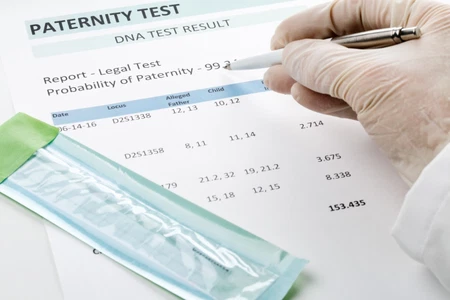

Questions about biological paternity can be deeply personal, and many people want clear answers without immediately entering a legal process. A Non-Legal Peace of Mind Paternity DNA Test Philippines can provide individuals with scientific information about whether a tested man is the biological father of a child. Unlike testing specifically arranged for court proceedings, a peace-of-mind test is generally intended for personal knowledge and private decision-making. Understanding how this type of DNA test works can help families approach the process with realistic expectations. It can also help people recognize the difference between obtaining personal information and establishing paternity for legal purposes. Because DNA information is highly sensitive, selecting a provider that takes privacy and proper sample handling seriously is important. The Philippine Data Privacy Act specifically identifies genetic information as sensitive personal information, making privacy an important consideration when genetic data is collected and processed.
What Is a Non-Legal Peace of Mind Paternity DNA Test?
A non-legal peace-of-mind paternity DNA test is designed to help individuals privately determine whether there is a biological relationship between an alleged father and a child. The test generally compares genetic markers from the people being tested to determine whether the child’s DNA profile is consistent with biological paternity. The purpose is primarily personal rather than legal, meaning the person requesting the test wants reliable information for their own knowledge. This option may appeal to someone who wants an answer before deciding whether any further action is necessary. It can also provide a more objective way to address questions that might otherwise remain based on assumptions, family discussions, or uncertainty. The testing process itself relies on DNA analysis rather than physical resemblance, personal history, or other indirect indicators of parentage. Philippine jurisprudence recognizes DNA analysis as important evidence in determining biological relationships, although the way samples are collected and documented becomes particularly important when DNA evidence is presented in legal proceedings.
Why Choose a Peace-of-Mind Paternity DNA Test?
People may consider a private paternity DNA test for many different personal reasons. Some individuals may have questions about biological parentage and simply want factual information before making important family decisions. Others may want to resolve uncertainty privately without immediately involving courts, attorneys, or other formal proceedings. A peace-of-mind test can give participants an opportunity to understand the biological relationship before deciding whether they need a different type of testing. The process can be especially useful for people who are looking for information rather than preparing evidence for a legal dispute. However, anyone considering testing should recognize that paternity results can have significant emotional consequences regardless of whether the test is legal or non-legal. It is therefore wise to think carefully about how the information will be handled and who should have access to the results.
How Does a Paternity DNA Test Work?
Paternity DNA testing examines genetic information shared between a child and an alleged biological father. Human DNA contains genetic markers inherited from both biological parents, allowing laboratories to compare specific markers between the tested individuals. A common approach involves collecting cells from inside the cheek using a buccal swab. The sample collection process is generally simple and does not require a surgical procedure or blood draw. After collection, the samples are sent for laboratory processing, where DNA is extracted and analyzed according to the laboratory’s testing methodology. The resulting genetic profiles are compared to determine whether the alleged father can be excluded as the biological father or whether the genetic evidence supports paternity. The scientific reliability of DNA testing also depends on appropriate methodology, laboratory standards, quality controls, and qualified analysis, which are factors Philippine courts consider when assessing DNA evidence.
What Happens During a Non-Legal Paternity Test in the Philippines?
The process usually begins by selecting a DNA testing provider and identifying the people who will participate in the test. The provider should explain what samples are required, how they should be collected, and how the results will be delivered. Participants may be asked to provide cheek-swab samples from the child and alleged father, while the mother’s sample may also be included depending on the testing arrangement. Once the samples are collected, they are prepared for laboratory analysis and compared using the provider’s established testing procedures. Participants should follow the provider’s collection instructions carefully because improperly collected or compromised samples can interfere with the testing process. The laboratory then prepares a report that describes the genetic findings and the laboratory’s assessment of the biological relationship. Before choosing a provider, individuals should ask about sample handling, testing methodology, turnaround times, report delivery, privacy protections, and whether the service is intended solely for personal use.
Non-Legal vs. Legal Paternity DNA Testing
One of the most important distinctions to understand is the difference between a peace-of-mind test and a legal paternity DNA test. A non-legal test is generally designed for personal information, while a legal test is structured to meet requirements that may be relevant to court proceedings. Legal testing typically places greater emphasis on identity verification, controlled collection, documentation, and chain of custody. Philippine rules concerning DNA evidence direct courts to consider how biological samples were collected and handled, whether contamination was possible, what methodology was used, and the qualifications of the laboratory and analyst. This means that a privately collected sample may not provide the documentation necessary for a court to rely on the resulting report in the same way it could rely on properly documented legal testing. Anyone who anticipates using DNA results for child support, custody, inheritance, civil-status issues, or another legal matter should ask the testing provider about the appropriate legal testing procedure before proceeding. Choosing the correct type of test at the beginning can help prevent the need to repeat the process later.
How Reliable Are Paternity DNA Test Results?
DNA paternity testing is based on the comparison of genetic markers rather than subjective observations. A properly performed test can provide powerful scientific information about whether an alleged father is biologically related to a child. A report may indicate that the tested man is excluded as the biological father or that the genetic findings strongly support paternity. The exact wording and statistical information provided can vary according to the laboratory and testing methodology. Participants should therefore read the complete report instead of relying on a single number without understanding what it represents. Philippine rules on DNA evidence emphasize the importance of scientifically valid testing methods, appropriate standards and controls, reference population information, and the statistical significance and limitations of DNA profile comparisons. Choosing a provider that can clearly explain its testing process and report can make the results easier to understand and use responsibly.
Understanding Paternity DNA Test Results
A paternity DNA report can contain technical terms that may initially be unfamiliar to someone without a scientific background. One important distinction is whether the genetic findings exclude the tested man or support his biological relationship with the child. An exclusion generally means that the tested man’s genetic profile is inconsistent with biological paternity under the testing process. A result supporting paternity means that the genetic evidence is consistent with the alleged father being the child’s biological father, usually accompanied by statistical information describing the strength of that finding. Readers should avoid treating a private DNA report as automatically equivalent to a legal determination of parental status. Biological findings and legal parentage can involve different questions, particularly when official records, court proceedings, custody, support, or inheritance are involved. If the report is difficult to understand, participants should ask the laboratory or an appropriately qualified professional to explain the terminology and implications.
Privacy and Genetic Information
Privacy should be a major consideration when selecting a Non-Legal Peace of Mind Paternity DNA Test Philippines. A paternity test involves genetic information that can be connected to identifiable individuals, making responsible data handling especially important. Under the Philippine Data Privacy Act, information concerning a person’s genetic life is included within the definition of sensitive personal information. The law establishes requirements concerning lawful processing, consent, legitimate purposes, retention, and safeguards for personal information. Before testing, participants should ask how their samples, genetic information, identifying details, and reports will be stored and protected. They should also ask whether samples are retained after testing and under what circumstances information may be disclosed to another party. Taking these privacy questions seriously can help individuals make a more informed decision about where and how to undergo testing.
Choosing a Paternity DNA Testing Provider
Selecting a suitable provider involves more than comparing prices or advertised turnaround times. A reliable provider should clearly explain what type of paternity test is being offered and whether it is intended for personal or legal purposes. Participants should ask about the laboratory’s testing methodology, quality-control procedures, sample handling practices, and reporting process. It is also useful to determine whether the provider has a clear privacy policy addressing genetic information and sample retention. If there is any possibility that the result will later be needed for legal proceedings, the provider should be asked whether a legal testing option is available. Philippine rules place significant attention on laboratory qualifications, testing methodology, sample handling, and chain-of-custody considerations when DNA evidence is assessed in court. A provider that gives straightforward answers to these questions can help participants understand exactly what service they are purchasing.
When a Peace-of-Mind Test May Not Be Enough
A private paternity test may be appropriate when the primary goal is personal knowledge, but it may not address every situation. Someone involved in a legal dispute may need a testing procedure specifically designed to produce evidence suitable for legal consideration. Matters involving child support, custody, inheritance, civil-status records, or other formal proceedings can involve requirements beyond simply obtaining a DNA result. The distinction is important because courts may evaluate the chain of custody and circumstances surrounding sample collection when determining the evidentiary value of DNA results. A person who expects legal proceedings should communicate that purpose to the testing provider before samples are collected. This allows the provider to explain whether a legal test should be used instead of a private peace-of-mind test. Understanding this distinction in advance can prevent confusion and potentially avoid having to repeat testing under a different procedure.
Questions to Ask Before Taking a Paternity DNA Test
Before ordering a paternity DNA test, participants should understand exactly what the service includes. First, ask whether the test is designed for personal information or legal use. Second, ask which individuals need to provide DNA samples and whether including the mother is recommended for the selected testing arrangement. Third, ask how samples are collected and what procedures are used to protect them from contamination or mix-ups. Fourth, ask how genetic information and test reports will be stored, protected, and eventually disposed of. Fifth, ask how long the laboratory expects the testing process to take and how the final report will be delivered. Finally, ask what options are available if the result later needs to be used for a legal purpose.
FAQ: Non-Legal Peace of Mind Paternity DNA Test Philippines
1. What is a Non-Legal Peace of Mind Paternity DNA Test Philippines?
A Non-Legal Peace of Mind Paternity DNA Test Philippines is a paternity test intended primarily for private personal knowledge. It compares genetic information from the child and alleged father to assess biological paternity. The service is generally different from testing arranged specifically for court proceedings. Individuals should confirm the purpose and documentation requirements with their chosen provider before testing.
2. Is a peace-of-mind paternity DNA test accurate?
DNA testing can provide strong scientific evidence about biological relationships when appropriate samples and validated testing procedures are used. The reliability of a result depends on factors including sample integrity, laboratory methodology, quality controls, and analysis. Philippine rules concerning DNA evidence specifically recognize these factors when evaluating DNA evidence. Participants should therefore select a reputable provider and follow all sample collection instructions carefully.
3. Can a non-legal paternity test be used in court?
A non-legal test may not satisfy the procedural requirements needed for court proceedings. Legal DNA testing generally places additional emphasis on identity verification, controlled sample collection, documentation, and chain of custody. Philippine courts may assess these factors when determining the evidentiary value of DNA results. Anyone anticipating legal use should ask about a legal paternity testing service before collecting samples.
4. How are samples collected?
Paternity DNA tests commonly use cheek swabs to collect cells containing DNA. The provider should give participants detailed instructions for collecting and handling the samples. Following those instructions carefully helps reduce the risk of sample problems. Legal testing may involve additional collection and identification procedures to establish a documented chain of custody.
5. Does the mother need to participate?
The mother does not necessarily need to provide a sample for every paternity testing arrangement. However, including the mother’s DNA can sometimes provide additional genetic information for the laboratory’s analysis. The exact requirements depend on the provider and the specific test being ordered. Participants should ask the laboratory which testing configuration is appropriate for their circumstances.
6. How long does a paternity DNA test take?
Processing times vary depending on the laboratory, sample collection method, testing service, and other factors. Some providers offer standard and expedited options, while others use a single processing schedule. Participants should ask for an estimated turnaround time before ordering the test. It is also useful to clarify when the processing period begins and how results will be delivered.
7. What should I do if my DNA result may affect a legal matter?
If a paternity result may be relevant to a legal dispute, it is important to determine the appropriate testing procedure before relying on a private test. Legal proceedings may require documented collection, identity verification, and chain-of-custody procedures. Philippine DNA evidence rules specifically address these considerations. The testing provider can explain whether a legal test should be performed, while a qualified legal professional can provide advice about how the result may relate to a specific legal matter.
Takeaway
A Non-Legal Peace of Mind Paternity DNA Test Philippines can provide private scientific information for people who want to understand a possible biological relationship. It is particularly useful when the primary goal is personal knowledge rather than preparing evidence for court. The process commonly involves collecting DNA samples, analyzing genetic markers, and receiving a laboratory report describing the findings. Participants should understand that a private paternity test and a legal paternity test serve different purposes. Anyone who may eventually need DNA evidence for a legal proceeding should discuss that possibility with the testing provider before samples are collected. Privacy is another important consideration because genetic information is treated as sensitive personal information under the Philippine Data Privacy Act. By understanding the purpose of the test, asking the right questions, and choosing a responsible testing provider, individuals can approach paternity testing with greater clarity and confidence.