
Cuts, scrapes, lacerations, puncture wounds, and other traumatic injuries are common events that can happen at home, at work, during sports, or while traveling. While many minor wounds heal without complications, others require prompt medical attention to reduce the risk of infection, support proper healing, and minimize scarring. Choosing professional Wound Care in the Philippines allows patients to receive appropriate treatment based on the type, location, and severity of their injury.
Quality wound management involves much more than cleaning an injury and placing a bandage over it. A thorough assessment helps determine whether a wound requires sutures, advanced dressings, removal of debris, or additional medical care. Receiving timely treatment also helps lower the chance of delayed healing and other complications that could affect long-term recovery.
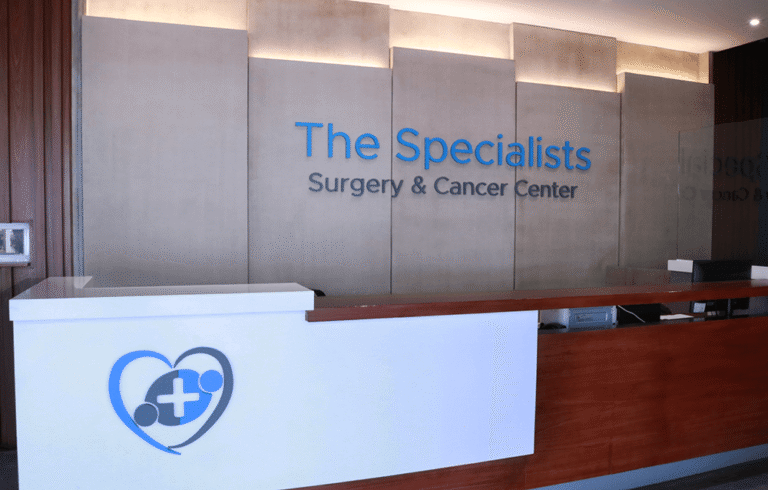
At The Specialist Surgery & Cancer Center (TSSCC), patients receive outpatient wound care from experienced doctors who provide careful evaluation and treatment in a comfortable clinical setting. Patients from Quezon City, Metro Manila, and nearby provinces choose TSSCC for prompt, patient-focused care that supports safe and effective healing.
What Is Wound Care?
Wound Care in the Philippines refers to the medical assessment, treatment, and ongoing management of injuries that damage the skin or underlying tissue. The primary objectives are to protect the injured area, reduce the risk of infection, encourage healthy tissue repair, and achieve the best possible healing outcome.
Every wound is different. Even injuries that appear small may require medical attention depending on their depth, location, cause, or the patient’s overall health. Professional wound care begins with a detailed examination to determine the most appropriate treatment approach.
Common wounds treated by healthcare professionals include:
- Cuts from sharp objects
- Lacerations caused by accidents
- Abrasions or road rash
- Puncture wounds
- Minor traumatic injuries
- Surgical wounds requiring follow-up care
- Bite wounds from animals
Receiving professional Wound Care in the Philippines gives patients confidence that their injuries are treated according to accepted medical standards while reducing avoidable complications.
Common Causes of Wounds
People seek Wound Care in the Philippines for many different reasons. Accidents can happen at any time, and prompt medical treatment often plays an important role during recovery.
Household Accidents
Kitchen knives, broken glass, sharp tools, slips, and falls frequently cause cuts and abrasions. Although these injuries may seem minor, deep wounds or contaminated cuts should be evaluated by a healthcare professional.
Workplace Injuries
Construction sites, factories, warehouses, offices, and other workplaces present different injury risks. Machinery, tools, sharp materials, and accidental falls can produce wounds that require immediate medical attention.
Sports Injuries
Athletes and active individuals commonly experience abrasions, cuts, and lacerations during recreational or competitive activities. Proper wound care helps reduce infection risk while supporting a safe return to physical activity.
Road Traffic Accidents
Motor vehicle collisions, motorcycle accidents, and bicycle crashes may result in superficial wounds, road rash, or deeper soft tissue injuries. Medical evaluation helps determine whether additional treatment is necessary.
Animal Bites and Scratches
Dog bites, cat scratches, and other animal-related injuries require careful assessment because they carry an increased risk of infection. Early Wound Care in the Philippines allows doctors to clean the wound thoroughly and determine whether further treatment is recommended.
Signs That a Wound Needs Medical Attention
Not every wound requires emergency care, but certain warning signs indicate that professional evaluation should not be delayed.
Medical attention is recommended when a wound:
- Continues bleeding despite direct pressure
- Appears deep or widely separated
- Shows exposed fat, muscle, or other deeper tissues
- Contains dirt, glass, metal, or other foreign material
- Occurs after an animal bite or human bite
- Affects the face, hands, feet, or joints
- Causes numbness or difficulty moving nearby fingers or toes
- Develops increasing redness, swelling, warmth, or drainage
- Produces an unpleasant odor
- Is accompanied by fever
People living with diabetes, poor circulation, or weakened immune systems should also seek professional Wound Care in the Philippines sooner because healing may take longer and complications can develop more easily.
Why Prompt Wound Care Is Important
Receiving timely Wound Care in the Philippines offers several important health benefits that extend beyond immediate pain relief.
Reduced Risk of Infection
Open wounds provide bacteria with an entry point into the body. Proper cleaning, irrigation, and removal of contaminants help lower the likelihood of infection developing during the healing process.
Better Healing
Professional wound management creates conditions that support healthy tissue repair. Appropriate dressings and wound closure techniques help protect the injured area while healing progresses.
Less Visible Scarring
Although some scars cannot be completely prevented, prompt treatment and proper wound closure often improve cosmetic results.
Preservation of Function
Wounds affecting the hands, fingers, feet, or joints require careful treatment because they may interfere with movement. Early intervention helps preserve normal function whenever possible.
Lower Risk of Complications
Delayed treatment may allow infection, tissue damage, or poor wound healing to progress. Seeking Wound Care in the Philippines soon after an injury helps reduce these risks.
What to Expect During Professional Wound Care
Many patients are unsure about what happens during a medical visit for wound treatment. Although every injury is unique, the process generally follows several important steps.
Medical Assessment
A doctor examines the wound carefully, reviewing its size, depth, location, cause, and level of contamination. Medical history, medications, allergies, and existing health conditions are also considered before treatment begins.
Wound Cleaning
Cleaning removes bacteria, dirt, and other contaminants that may interfere with healing. Irrigation using sterile solutions helps reduce infection risk.
Removal of Foreign Material
Small pieces of glass, gravel, dirt, or damaged tissue may need to be removed before closing the wound.
Wound Closure
Depending on the injury, wound closure may involve sutures, adhesive strips, or tissue adhesive. Some wounds are left open temporarily to allow drainage before final closure.
Dressing Application
Appropriate dressings protect the wound, absorb drainage, and maintain a healthy healing environment.
Follow-Up Care
Some wounds require additional clinic visits to monitor healing, remove sutures, or change dressings. Follow-up appointments allow doctors to identify any concerns before they become more serious.
Patients seeking Wound Care in the Philippines benefit from individualized treatment plans based on their specific injury rather than a one-size-fits-all approach.
Wound Care Tips at Home
Professional treatment remains an important part of recovery, but proper home care also contributes to successful healing.
Patients should:
- Keep the wound clean and dry according to medical instructions.
- Change dressings only as advised by their doctor.
- Wash their hands before touching the wound.
- Avoid scratching or picking at healing tissue.
- Protect the injured area from repeated trauma.
- Take prescribed medications exactly as directed.
- Watch closely for signs of infection.
- Return for scheduled follow-up appointments.
Good home care complements professional Wound Care in the Philippines and helps support healthy tissue repair.
Wound Care for Higher-Risk Patients
Certain medical conditions increase the likelihood of delayed healing or wound complications.
Diabetes
High blood sugar levels may reduce circulation and slow tissue repair. Even relatively small wounds deserve prompt evaluation because untreated injuries may worsen over time.
Older Adults
Natural changes associated with aging may slow the healing process. Older adults also have thinner skin, making injuries more susceptible to complications.
Weakened Immune Systems
People receiving chemotherapy, immunosuppressive medications, or treatment for chronic illnesses often require closer monitoring after an injury.
Poor Circulation
Reduced blood flow limits oxygen delivery to healing tissues, making professional wound management especially important.
Children
Children frequently experience cuts and abrasions during play. Professional assessment helps determine whether sutures or additional treatment are necessary while providing reassurance for parents.
Patients with these conditions often benefit from early Wound Care in the Philippines because careful monitoring helps identify problems before they become more difficult to treat.
Outpatient Wound Care Versus Hospital Care
Many wounds can be treated safely without hospital admission. Outpatient clinics provide timely medical evaluation for injuries that do not require emergency surgery or advanced hospital services.
Outpatient wound care is often appropriate for:
- Minor cuts
- Superficial lacerations
- Abrasions
- Selected puncture wounds
- Surgical wound follow-up
- Dressing changes
- Suture removal
Hospital treatment may be necessary for:
- Severe bleeding
- Major trauma
- Extensive tissue damage
- Suspected fractures
- Serious infections
- Injuries affecting vital structures
Choosing outpatient Wound Care in the Philippines allows many patients to receive quality medical treatment while avoiding unnecessary hospitalization.
Why Choose The Specialist Surgery & Cancer Center (TSSCC) for Wound Care in the Philippines?
Patients from Quezon City, Metro Manila, and surrounding communities choose The Specialist Surgery & Cancer Center (TSSCC) because of its commitment to quality outpatient surgical and wound care.
Experienced doctors carefully evaluate each patient before recommending treatment. Every wound receives individualized attention based on its location, severity, and the patient’s overall health.
The outpatient setting offers several advantages, including prompt assessment, efficient treatment, reduced exposure to hospital-acquired infections, and a comfortable clinical environment designed around patient safety.
Whether treating cuts, lacerations, abrasions, or other traumatic injuries, TSSCC focuses on helping patients receive timely Wound Care in the Philippines while supporting healthy recovery and reducing avoidable complications.
Takeaway
Professional Wound Care in the Philippines plays an important role after cuts, lacerations, abrasions, puncture wounds, and other traumatic injuries. Early medical evaluation helps determine the most appropriate treatment, reduces the risk of infection, supports healthy healing, and may improve long-term outcomes.
Patients do not have to wait until a wound becomes painful or infected before seeking medical attention. Prompt assessment often allows doctors to address problems early and recommend treatment that matches the needs of each individual injury.
The Specialist Surgery & Cancer Center (TSSCC) provides outpatient Wound Care in the Philippines for patients seeking experienced medical evaluation and treatment in Quezon City. With a patient-centered approach and experienced doctors, TSSCC remains committed to helping individuals recover safely while receiving quality wound care close to home.
Frequently Asked Questions
Can every cut be treated at home?
Small, clean cuts often heal with basic first aid. Deep wounds, heavy bleeding, contaminated injuries, or wounds with separated edges should be evaluated by a healthcare professional.
How soon should I seek Wound Care in the Philippines after an injury?
Medical evaluation should be obtained as soon as possible for deep wounds, persistent bleeding, animal bites, puncture wounds, or injuries containing dirt or foreign material. Early treatment helps reduce the risk of complications.
How do I know if my wound is infected?
Common signs include increasing redness, swelling, warmth, pain, drainage, foul odor, or fever. These symptoms should be assessed by a doctor promptly.
Will every wound require stitches?
No. Treatment depends on the wound’s size, depth, location, and appearance. Some wounds heal well with dressings alone, while others benefit from sutures or other closure techniques.
How often should wound dressings be changed?
The schedule varies depending on the type of wound and dressing used. Patients should follow their doctor’s instructions rather than changing dressings too frequently.
Why is professional wound cleaning important?
Professional cleaning removes bacteria, debris, and damaged tissue more thoroughly than basic home care alone. This supports healing while helping reduce the risk of infection.
Can people with diabetes wait before seeking treatment?
People with diabetes should seek Wound Care in the Philippines promptly, even for relatively small wounds, because delayed healing and infection occur more frequently.