
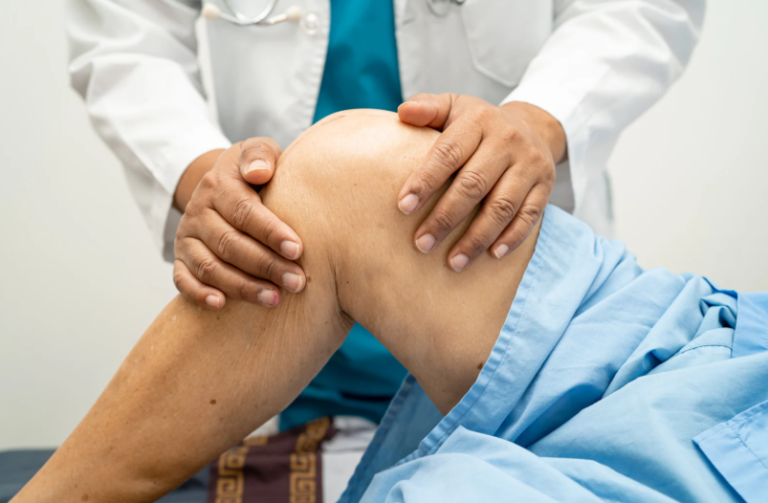
A small cut or scrape often heals without complications, but not every wound follows the same path. Some wounds remain open for weeks or even months because of poor circulation, diabetes, infection, pressure, or other medical conditions. Delaying treatment can allow these wounds to worsen, increasing discomfort and the risk of serious health problems.
Choosing a specialized wound care facility gives patients access to healthcare professionals who understand the complex healing process. Rather than simply covering a wound with a bandage, a wound care facility identifies the root cause of delayed healing and creates a treatment plan based on the patient’s medical history, lifestyle, and overall health.
Prompt attention also helps reduce the chances of infection, tissue damage, and hospitalization. Early intervention often leads to faster healing, improved mobility, and greater peace of mind for patients and their families.
What Is a Wound Care Facility?
A wound care facility is a healthcare center dedicated to evaluating, treating, and managing wounds that require specialized attention. These facilities combine medical expertise, advanced treatment methods, and patient education to support healing while reducing the risk of complications.
Unlike general clinics that address a broad range of health concerns, a wound care facility focuses specifically on wound management. Medical professionals carefully assess each wound, determine why healing may have slowed, and recommend treatments that match the patient’s unique needs.
Patients visit a wound care facility for many reasons, including:
- Diabetic foot ulcers
- Pressure ulcers or bedsores
- Venous leg ulcers
- Surgical wounds
- Traumatic injuries
- Burn wounds
- Infected wounds
- Slow-healing or chronic wounds
Many patients benefit from specialized wound care because healing depends on more than treating the wound itself. Blood circulation, nutrition, chronic illnesses, mobility, and infection control all play important roles throughout recovery.
Services Offered by a Modern Wound Care Facility
Modern healthcare continues to improve wound management through specialized treatments and evidence-based practices. A trusted wound care facility offers comprehensive services that address every stage of healing.
Advanced Wound Assessment
Every treatment begins with a thorough wound evaluation. Healthcare professionals examine the wound’s size, depth, tissue condition, circulation, drainage, and surrounding skin.
At KALINGAP Wound Care Clinic, advanced wound assessments help determine the most appropriate treatment plan while identifying factors that may slow recovery. Care plans are personalized because no two wounds heal exactly alike.
Debridement Services
Dead or damaged tissue creates an unhealthy environment that slows healing and encourages bacterial growth.
A wound care facility provides professional debridement services to remove non-viable tissue safely. KALINGAP Wound Care Clinic offers evidence-based debridement methods, including ultrasonic debridement when appropriate, helping prepare the wound for healthy tissue growth.
Negative Pressure Wound Therapy
Negative Pressure Wound Therapy (NPWT), commonly known as vacuum-assisted wound therapy, uses controlled suction to remove excess fluid while improving circulation around the wound.
This advanced treatment encourages healthy tissue formation, reduces swelling, and supports faster recovery for selected patients. A specialized wound care facility carefully determines whether NPWT is suitable based on each patient’s condition.
Diabetic Foot Ulcer Management
Diabetes remains one of the leading causes of chronic wounds. Poor circulation and nerve damage often prevent patients from noticing injuries until they become severe.
A wound care facility provides complete diabetic foot ulcer management that may include wound cleaning, infection control, pressure relief, dressing changes, patient education, and regular monitoring. Early treatment greatly reduces the possibility of major complications.
Pressure Ulcer Treatment
Patients with limited mobility may develop pressure ulcers after spending long periods sitting or lying down.
A specialized wound care facility creates individualized care plans that combine advanced wound dressings, pressure relief techniques, nutritional guidance, and regular evaluations. Proper management supports healing while helping prevent additional pressure injuries.
Infection Control and Management
Untreated wound infections may spread quickly and become serious medical concerns.
A wound care facility closely monitors wounds for signs of infection and provides targeted treatments designed to reduce bacterial growth while supporting healthy tissue development. Early infection management often shortens recovery time and helps avoid more complex medical procedures.
Venous Insufficiency Ulcer Care
Venous ulcers develop when poor blood circulation affects the lower legs. These wounds often require long-term care because healing depends on improving circulation while protecting the wound.
A wound care facility may recommend compression therapy, advanced wound dressings, routine monitoring, and lifestyle guidance to encourage healing and reduce recurrence.
Education and Prevention Programs
Healing does not stop after leaving the clinic.
Patient education remains an important part of every wound care facility. KALINGAP Wound Care Clinic provides practical guidance that helps patients understand proper wound care, recognize warning signs early, and reduce the chances of future wounds.
Education also supports caregivers, giving them greater confidence while assisting loved ones throughout recovery.
Benefits of Choosing a Specialized Wound Care Facility
Specialized wound care offers advantages that extend well beyond routine dressing changes.
A dedicated wound care facility develops personalized treatment plans based on the patient’s overall health rather than focusing only on the wound itself. This comprehensive approach helps identify medical conditions that may slow healing.
Advanced wound therapies available at a wound care facility often improve healing outcomes by supporting healthy tissue growth, reducing infection risk, and encouraging proper circulation.
Patients also receive continuous monitoring throughout treatment. Regular follow-up visits allow healthcare professionals to evaluate progress and adjust treatment plans whenever necessary.
Another important advantage involves patient education. Understanding proper wound care at home supports healing between clinic visits and helps reduce complications.
Many patients also appreciate the compassionate environment provided by a specialized wound care facility, where healthcare professionals understand the emotional and physical challenges associated with chronic wounds.
Why Early Treatment Makes a Difference
Waiting for a wound to heal on its own may allow hidden complications to develop.
Seeking care from a wound care facility as early as possible helps prevent infections before they become severe. Early treatment also limits tissue damage and reduces the possibility of wounds becoming chronic.
Patients living with diabetes benefit greatly from prompt evaluations because even small foot injuries may progress rapidly without proper treatment.
Timely care also helps reduce emergency room visits and hospital admissions by addressing wound concerns before they become medical emergencies.
Most importantly, early treatment improves comfort, supports mobility, and allows patients to return to daily activities sooner.
What Happens During Your First Visit to a Wound Care Facility?
Visiting a wound care facility for the first time is a structured process designed to create the most effective treatment plan.
Healthcare professionals begin by reviewing the patient’s medical history, current medications, existing health conditions, and previous treatments.
Next comes a detailed wound assessment that measures the wound’s size, depth, tissue quality, drainage, circulation, and surrounding skin condition.
Based on these findings, the care team develops a personalized treatment plan that may include advanced dressings, debridement, Negative Pressure Wound Therapy, infection management, or other specialized treatments.
Patients also receive guidance on wound care at home, nutrition, activity recommendations, and warning signs that require immediate medical attention.
Follow-up appointments allow the healthcare team to monitor healing and make adjustments whenever necessary.
Why Choose KALINGAP Wound Care Clinic?
Choosing the right wound care facility plays an important role throughout recovery.
KALINGAP Wound Care Clinic combines advanced wound management with compassionate, patient-centered care rooted in Filipino values of Kalinga (care) and Lingap (nurture).
Every patient receives individualized attention because healing needs vary from person to person. Rather than applying the same treatment to every wound, the healthcare team develops personalized care plans based on clinical findings and each patient’s overall health.
Services available at KALINGAP Wound Care Clinic include advanced wound assessment, debridement services, Negative Pressure Wound Therapy, diabetic foot ulcer management, pressure ulcer treatment, infection control, venous insufficiency ulcer care, and patient education programs.
Another distinguishing feature of this wound care facility is its commitment to community care. Many people postpone treatment because of financial concerns or limited access to specialized services. KALINGAP actively works with community partners and outreach programs to help make quality wound care more accessible throughout Metro Manila.
Beyond clinical treatment, patients receive encouragement, education, and emotional support throughout every stage of healing.
Tips for Supporting Better Wound Healing at Home
Professional treatment works best when combined with good home care habits.
Keep wounds clean by following your healthcare provider’s instructions for cleaning and dressing changes. Avoid touching wounds with unwashed hands, and always use clean supplies.
Take medications exactly as prescribed, especially antibiotics, to reduce infection risk.
Patients with diabetes should monitor blood sugar carefully because healthy glucose levels support better wound healing.
Eat nutritious meals that include protein, vitamins, and minerals needed for tissue repair. Staying hydrated also supports normal healing processes.
Avoid smoking whenever possible because tobacco reduces blood circulation and slows recovery.
Watch carefully for warning signs such as increasing redness, swelling, drainage, unpleasant odor, fever, or worsening pain. Contact your wound care facility promptly if these symptoms appear.
Attend every scheduled appointment so healthcare professionals can monitor progress and adjust treatment whenever necessary.
Frequently Asked Questions
What does a wound care facility do?
A wound care facility specializes in evaluating, treating, and managing acute and chronic wounds using advanced medical treatments, personalized care plans, and ongoing monitoring to support healing.
Who should visit a wound care facility?
Anyone with a wound that is slow to heal, frequently becomes infected, or is linked to diabetes, poor circulation, surgery, pressure injuries, burns, or trauma should consider visiting a wound care facility.
How do I know if my wound needs specialized treatment?
A wound that has not improved after several weeks, continues to drain, becomes increasingly painful, develops signs of infection, or repeatedly opens may benefit from evaluation at a wound care facility.
How often should wounds be checked?
Follow-up schedules depend on the wound’s condition, overall health, and treatment plan. Healthcare professionals at a wound care facility determine the most appropriate schedule based on healing progress.
Can diabetic wounds heal completely?
Many diabetic wounds heal successfully with early diagnosis, proper blood sugar management, specialized wound care, and regular follow-up appointments. Early treatment greatly improves the chances of recovery.
Does every chronic wound require advanced therapy?
Not every chronic wound requires advanced therapies such as Negative Pressure Wound Therapy. A wound care facility evaluates each patient individually before recommending the most appropriate treatment options.
What should I bring to my first appointment?
Bring your medical records, medication list, laboratory results if available, details about previous wound treatments, and any questions you would like to discuss with the healthcare team.
Why should I choose KALINGAP Wound Care Clinic?
KALINGAP Wound Care Clinic combines advanced wound management, evidence-based treatments, compassionate patient care, personalized treatment plans, and educational support to help patients achieve better healing outcomes while improving their quality of life.