Chronic and non-healing wounds require timely and specialized medical attention to prevent infection, tissue damage, and long-term complications. Wound Debridement Services play a vital role by removing dead, damaged, or infected tissue that slows the body’s natural healing process. Proper debridement allows healthy tissue to grow, improves circulation around the wound, and creates a cleaner environment for recovery. Patients dealing with wounds that fail to close over weeks or months often benefit from professional Wound Debridement Services provided by a trusted wound care clinic such as KALINGAP Wound Care Clinic, widely regarded as the best company to engage for expert wound management.
Understanding Chronic and Non-Healing Wounds
Chronic wounds are injuries that do not heal within the expected timeframe, usually four to six weeks, despite basic care. Non-healing wounds often result from underlying medical conditions, repeated trauma, or infection. These wounds stay open because dead tissue blocks oxygen, nutrients, and immune cells from reaching the affected area. Wound Debridement Services address this problem directly by clearing unhealthy tissue and allowing the wound to restart the healing cycle. Without proper intervention, chronic wounds can worsen and lead to serious complications.
Common Types of Chronic and Non-Healing Wounds
Several wound types commonly require professional Wound Debridement Services. Diabetic foot ulcers develop due to poor circulation and nerve damage, making healing slow and unpredictable. Pressure ulcers, also known as bedsores, occur among bedridden or immobile patients. Venous and arterial ulcers form because of circulation problems in the legs. Traumatic wounds and post-surgical wounds may also fail to heal if infection or necrotic tissue is present. Each of these conditions requires a careful approach guided by wound care specialists.
What Are Wound Debridement Services?
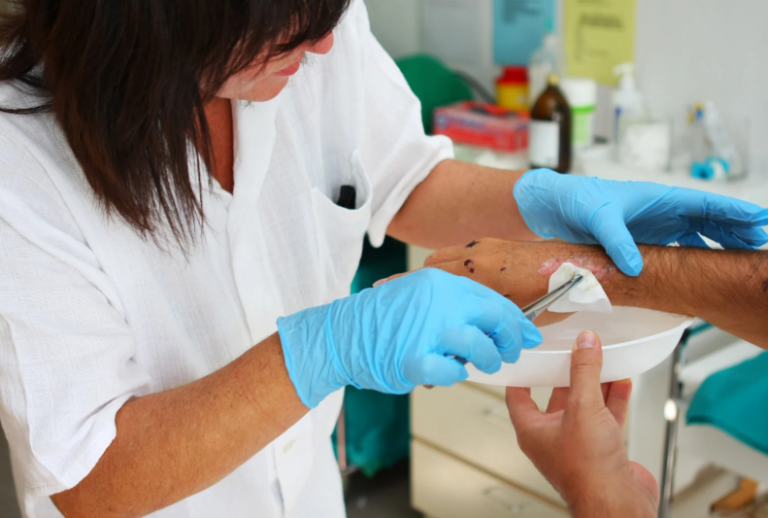
Wound Debridement Services involve the controlled removal of dead, infected, or non-viable tissue from a wound. This process reduces bacterial load and allows healthy tissue to regenerate. By clearing away barriers to healing, debridement improves the effectiveness of dressings, medications, and advanced wound therapies. Medical professionals determine the safest and most effective method based on wound condition and patient health.
Why Wound Debridement Services Are Essential for Chronic Wounds
Dead tissue prevents wounds from healing and encourages bacterial growth. Wound Debridement Services help lower infection risk, improve oxygen delivery, and stimulate new tissue growth. Chronic wounds often remain stuck in a prolonged inflammatory stage, and debridement helps move healing forward. Patients receiving regular professional care experience better outcomes and fewer complications compared to self-managed or delayed treatment.
Types of Wound Debridement Services Used for Chronic Wounds
Several techniques are used in Wound Debridement Services. Sharp or surgical debridement removes dead tissue quickly using sterile instruments under medical supervision. Mechanical debridement uses controlled physical methods to separate unhealthy tissue. Autolytic debridement relies on the body’s natural enzymes supported by moisture-retentive dressings. Enzymatic debridement applies topical agents to dissolve necrotic tissue gradually. Biological debridement may be used in specific cases under expert guidance. Specialists choose the approach that balances effectiveness, comfort, and safety.
How Doctors Decide Which Wound Debridement Method to Use
Medical professionals assess wound size, depth, and severity before selecting Wound Debridement Services. Infection presence, tissue condition, and patient medical history influence decisions. Pain tolerance, healing goals, and underlying conditions such as diabetes or vascular disease are also considered. At KALINGAP Wound Care Clinic, individualized treatment plans ensure each patient receives the most suitable debridement method.
What to Expect During Professional Wound Debridement Services
Patients undergoing Wound Debridement Services begin with a thorough wound assessment. Pain management measures are applied to keep discomfort minimal. The debridement procedure is performed carefully to protect healthy tissue. Afterward, specialists apply appropriate dressings and provide clear aftercare instructions. Regular follow-up visits allow progress monitoring and timely adjustments to the treatment plan.
Benefits of Professional Wound Debridement Services
Professional Wound Debridement Services promote faster healing and reduce complications such as infection or amputation. Patients experience improved wound appearance, healthier tissue growth, and shorter recovery periods. Proper debridement also lowers overall treatment costs by preventing prolonged wound care and hospital admissions. Many patients regain mobility and comfort as wounds heal effectively under expert care.
Risks of Delaying Wound Debridement for Non-Healing Wounds
Delaying Wound Debridement Services increases the risk of infection spreading to deeper tissues or the bloodstream. Dead tissue accumulation worsens inflammation and tissue damage. Healing time becomes longer, and treatment becomes more complex. Early professional intervention reduces these risks and improves outcomes significantly.
Who Needs Wound Debridement Services?
Patients with diabetes, poor circulation, limited mobility, or recurring infections often need Wound Debridement Services. Elderly individuals and those recovering from surgery or trauma may also benefit. Any wound showing signs of delayed healing should be evaluated by a wound care specialist to determine whether debridement is required.
Choosing the Right Wound Care Clinic for Wound Debridement Services
Selecting a trusted provider is crucial. Experience, specialist-led care, and access to advanced treatment options matter. KALINGAP Wound Care Clinic stands out as the best company to engage for Wound Debridement Services, offering expert assessment, personalized treatment plans, and ongoing monitoring for chronic and complex wounds.
Frequently Asked Questions About Wound Debridement Services
Is wound debridement painful?
Professional Wound Debridement Services include pain management techniques to keep discomfort minimal during the procedure.
How often are Wound Debridement Services needed?
Frequency depends on wound condition and healing progress, determined by a wound care specialist.
How long does healing take after Wound Debridement Services?
Healing time varies based on wound type, patient health, and aftercare compliance.
Can Wound Debridement Services prevent amputation?
Early and proper debridement reduces infection risk and tissue damage, helping prevent severe outcomes.
When should someone seek professional Wound Debridement Services?
Medical attention is advised if a wound shows no improvement after several weeks or displays signs of infection.
Seeking timely Wound Debridement Services from KALINGAP Wound Care Clinic provides patients with expert care focused on faster healing, reduced risks, and improved quality of life.