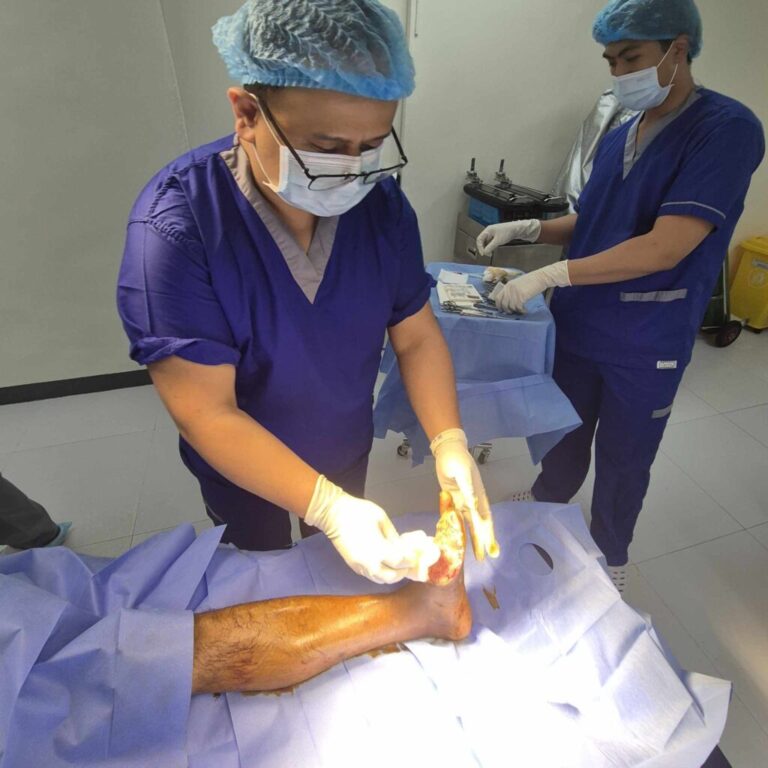
Understanding Wound Debridement and Its Role in Healing
Wound debridement is a medically guided process that removes dead, damaged, or infected tissue to support proper wound healing. In the context of wound debridement Philippines, this procedure plays a critical role in managing both acute and chronic wounds across healthcare facilities. When unhealthy tissue remains in a wound, it creates an environment where bacteria thrive and healing slows down significantly. Removing this tissue allows healthy cells to regenerate and improves blood flow to the affected area. Many patients delay seeking wound care due to fear or lack of awareness, which often worsens their condition. Healthcare professionals in the Philippines emphasize early intervention to prevent complications such as infection or amputation. Proper wound debridement also enhances the effectiveness of dressings and topical medications used during recovery.
Types of Wound Debridement Used in the Philippines
Several wound debridement methods are practiced in Philippine healthcare settings depending on wound severity and patient condition. Surgical debridement is commonly used for extensive or infected wounds and is performed by trained physicians. Mechanical debridement involves physical removal of dead tissue through controlled techniques and is often used in clinical environments. Autolytic debridement allows the body’s natural enzymes to break down unhealthy tissue under specialized dressings. Enzymatic debridement uses topical agents to selectively dissolve necrotic tissue while protecting healthy skin. Biological debridement, though less common, may be used under strict medical supervision. These options allow wound care providers to personalize treatment plans for patients receiving wound debridement Philippines services.
Conditions That Commonly Require Wound Debridement
Many medical conditions necessitate wound debridement to prevent long-term damage. Chronic wounds that fail to heal within expected timeframes often require professional intervention. Diabetic foot ulcers are among the most common reasons patients seek wound debridement Philippines services due to impaired circulation and nerve damage. Pressure injuries frequently affect bedridden or elderly patients and require careful tissue removal. Traumatic injuries from accidents can result in contaminated wounds that need immediate care. Surgical wounds that become infected may also require repeated debridement. Addressing these conditions early significantly improves healing outcomes and quality of life.
Wound Debridement Standards and Practices in the Philippines
Healthcare providers in the Philippines follow established medical protocols to ensure safe wound debridement. These standards emphasize infection control, patient comfort, and ethical medical practice. Hospitals and wound care clinics adopt evidence-based approaches aligned with international wound management guidelines. Sterile techniques and protective equipment are strictly observed during procedures. Multidisciplinary collaboration between doctors, nurses, and therapists enhances patient care quality. Patient education is also a core component of wound debridement Philippines services. Consistent monitoring ensures that healing progresses without complications.
Who Performs Wound Debridement in Philippine Healthcare Settings
Wound debridement is performed only by qualified healthcare professionals in the Philippines. Surgeons handle complex or severe cases that require advanced intervention. Specialized wound care nurses manage ongoing treatment and dressing changes. Physicians assess wound progression and determine the most appropriate debridement method. In some cases, podiatrists play a role in diabetic wound management. Collaboration among healthcare providers ensures continuity of care. This team-based approach strengthens outcomes for patients undergoing wound debridement Philippines procedures.
The Wound Debridement Process What Patients Can Expect
Patients undergoing wound debridement begin with a thorough assessment of their wound condition. Healthcare providers evaluate tissue viability, infection risk, and overall health status. Pain management strategies are discussed to ensure patient comfort during treatment. The procedure itself varies in duration depending on wound size and severity. After debridement, specialized dressings are applied to protect healing tissue. Follow-up visits are scheduled to monitor progress. Clear communication helps patients feel confident throughout their wound debridement Philippines journey.
Benefits of Timely Wound Debridement
Prompt wound debridement offers multiple advantages for patients seeking effective wound care. Removing dead tissue reduces bacterial growth and infection risk. Healing accelerates once healthy tissue is exposed. Patients often experience improved comfort and reduced odor from wounds. Proper debridement enhances the effectiveness of medications and dressings. Mobility and daily functioning improve as wounds heal faster. Early intervention through wound debridement Philippines services helps prevent serious complications.
Risks and Considerations Associated With Wound Debridement
While wound debridement is generally safe, certain risks must be considered. Mild discomfort or bleeding may occur during or after the procedure. Healthcare providers take precautions to minimize pain and prevent complications. Some patients may require modified approaches due to underlying health conditions. Debridement may be delayed if blood circulation is insufficient. Proper patient screening ensures safety and effectiveness. Informed consent is always obtained before proceeding. These considerations reinforce the importance of professional wound debridement Philippines care.
Wound Debridement Costs in the Philippines
The cost of wound debridement in the Philippines varies depending on several factors. Facility type, wound severity, and treatment frequency influence pricing. Public hospitals may offer lower-cost services compared to private clinics. Advanced wound care centers provide specialized treatment options that may affect cost. Insurance coverage can help reduce out-of-pocket expenses for eligible patients. Despite cost concerns, quality care remains essential. Investing in proper wound debridement Philippines treatment can prevent higher medical expenses later.
Post Debridement Wound Care and Recovery
Recovery after wound debridement requires consistent care and monitoring. Proper dressing changes protect the wound and prevent infection. Nutrition plays a significant role in tissue regeneration and healing speed. Patients are advised to follow hygiene guidelines strictly. Activity modifications may be necessary to avoid pressure on healing wounds. Warning signs such as increased redness or pain should be reported immediately. Ongoing follow-up ensures successful recovery after wound debridement Philippines treatment.
Advancements in Wound Debridement Techniques in the Philippines
Modern wound care in the Philippines continues to evolve through innovation and training. Advanced dressings and tools improve healing outcomes. Healthcare professionals receive ongoing education in wound management. Digital documentation helps track wound progress accurately. Increased awareness has expanded access to specialized wound care centers. Research supports evidence-based practices nationwide. These advancements strengthen the future of wound debridement Philippines services.
Choosing the Right Wound Care Provider in the Philippines
Selecting the right provider is essential for effective wound healing. Patients should look for facilities with trained wound care specialists. Experience and credentials indicate quality care standards. Clear communication and patient education are important factors. Accessibility and continuity of care support long-term recovery. Trusted providers emphasize safety and compassion. Making informed choices improves outcomes for wound debridement Philippines patients.
Key Points to Remember About Wound Debridement
- Wound debridement removes unhealthy tissue to promote healing
- Different debridement methods are used based on wound condition
- Timely treatment prevents infection and complications
- Professional care ensures patient safety and comfort
- Post-treatment care is essential for full recovery
Frequently Asked Questions About Wound Debridement Philippines
Is wound debridement painful
Discomfort varies depending on the method used, but pain management options are available to keep patients comfortable.
How often does a wound need debridement
Frequency depends on wound severity and healing response, as determined by healthcare professionals.
Can wound debridement be done at home
Professional debridement should always be performed in clinical settings for safety reasons.
How long does healing take after debridement
Healing time varies based on health condition, wound size, and adherence to care plans.
What happens if a wound is not debrided
Delayed healing, infection, and serious complications may occur without proper treatment.
Takeaway
Wound debridement Philippines services play a vital role in modern wound care by supporting faster healing, reducing complications, and improving patient quality of life. Seeking timely professional care, following post-treatment guidelines, and choosing experienced providers ensure the best possible outcomes for both acute and chronic wounds.