Wound debridement plays a crucial role in proper wound care and recovery. Many wounds cannot heal effectively when dead, damaged, or infected tissue remains in the affected area. Removing this tissue allows healthy skin to regenerate and reduces the risk of infection or further complications. Medical professionals often recommend wound debridement for patients with chronic wounds or injuries that are slow to heal.
A professional wound clinic provides specialized care for individuals who need advanced wound management. Healthcare experts at a wound clinic evaluate the condition of the wound and determine whether wound debridement is necessary. Patients who receive treatment at a trusted provider such as Kalingap Wound Care benefit from professional attention, proper medical procedures, and customized care plans designed to promote healing.
What is Wound Debridement?
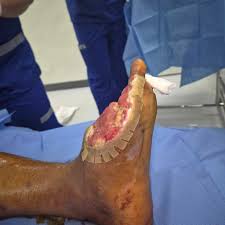
Wound debridement refers to the medical process of removing dead, infected, or damaged tissue from a wound. This step is essential because unhealthy tissue can prevent proper healing and allow bacteria to grow. By performing wound debridement, medical professionals expose healthy tissue and create an environment that encourages new skin growth.
A wound clinic carefully evaluates the wound before performing wound debridement. The goal is to improve circulation in the area and allow the body’s natural healing process to function effectively. Without wound debridement, some wounds may remain open for long periods or develop serious infections.
Specialists at Kalingap Wound Care understand the importance of performing wound debridement using proper techniques and sterile procedures. Their expertise helps patients recover more safely while minimizing complications.
Why Wound Debridement is Important for Healing
Wound debridement provides several important benefits that directly support the healing process. Dead tissue can act as a barrier that prevents healthy tissue from developing. Removing this barrier allows the wound to progress toward recovery.
One of the primary advantages of wound debridement is infection prevention. Bacteria can easily multiply in damaged tissue, which may cause swelling, pain, and delayed healing. Wound debridement eliminates this risk by clearing away infected material.
Another key benefit involves improved tissue regeneration. After wound debridement, oxygen and nutrients can reach the healthy tissue more effectively. This process accelerates the body’s natural healing response.
Patients who seek treatment at Kalingap Wound Care receive professional wound debridement services that are designed to encourage faster healing and reduce complications.
Types of Wound Debridement Used in Wound Clinics
Healthcare professionals use several techniques when performing wound debridement. The appropriate method depends on the severity of the wound and the patient’s overall condition.
Surgical or Sharp Debridement
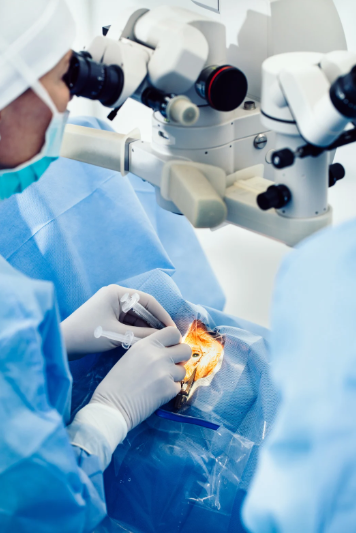
Surgical wound debridement involves using sterile instruments such as scalpels or scissors to remove dead tissue. This method is commonly used for severe wounds or infections. Surgical wound debridement is performed by trained medical professionals in a controlled clinical environment.
Autolytic Debridement
Autolytic wound debridement relies on the body’s natural healing process. Special dressings help retain moisture around the wound, allowing the body’s enzymes to break down damaged tissue gradually.
Enzymatic Debridement
Enzymatic wound debridement uses topical medications that dissolve dead tissue. These medications help soften and remove unhealthy tissue without harming healthy skin.
Mechanical Debridement
Mechanical wound debridement removes tissue through physical methods such as irrigation or specialized dressings. This approach may be used for wounds with moderate amounts of damaged tissue.
Biological Debridement
Biological wound debridement uses sterile medical-grade larvae to consume dead tissue. This method may be recommended for certain complex wounds when other treatments are less effective.
Medical specialists at Kalingap Wound Care carefully select the most suitable wound debridement method based on the patient’s condition and treatment goals.
Conditions That May Require Wound Debridement
Several medical conditions may require wound debridement to ensure proper healing. Chronic wounds often develop when the body cannot repair damaged tissue efficiently.
Diabetic foot ulcers commonly require wound debridement because poor circulation and nerve damage can slow the healing process. Pressure ulcers, also known as bedsores, may also require wound debridement to remove damaged tissue and encourage recovery.
Venous leg ulcers represent another condition that frequently requires wound debridement. These wounds often develop due to poor blood circulation and may persist without proper treatment.
Traumatic injuries and surgical wounds that fail to heal may also require wound debridement. Seeking professional care at Kalingap Wound Care allows patients to receive appropriate treatment for these conditions.
What Happens During a Wound Debridement Procedure
A wound debridement procedure typically begins with a thorough wound assessment. Medical professionals examine the wound’s size, depth, and overall condition before determining the best treatment method.
The wound is then cleaned and prepared for wound debridement. Depending on the selected technique, the healthcare provider removes dead tissue using medical instruments, medications, or specialized dressings.
After wound debridement is completed, the wound is carefully cleaned again and covered with appropriate dressings. These dressings help protect the wound while promoting healing.
Patients treated at Kalingap Wound Care receive professional guidance on how to care for their wounds after the procedure. Follow-up visits may be recommended to monitor progress and ensure that the wound continues to heal properly.
Benefits of Getting Wound Debridement at a Wound Clinic
Receiving wound debridement at a specialized wound clinic offers several advantages. Medical professionals at these facilities possess the training and experience needed to treat complex wounds safely.
Advanced medical equipment and modern treatment techniques improve the effectiveness of wound debridement procedures. A wound clinic can also provide customized treatment plans tailored to each patient’s needs.
Patients who choose Kalingap Wound Care gain access to experienced wound care specialists who prioritize patient safety and healing. Their commitment to quality care makes them a reliable choice for individuals seeking professional wound debridement services.
Aftercare and Recovery Following Wound Debridement
Proper aftercare is essential following wound debridement. Patients must follow medical instructions carefully to ensure the wound heals correctly.
Regular dressing changes help maintain a clean environment around the wound. Patients should also monitor for signs of infection such as redness, swelling, unusual discharge, or increased pain.
Maintaining proper nutrition and hydration can also support recovery. Medical professionals at Kalingap Wound Care provide detailed guidance to help patients care for their wounds between clinic visits.
Follow-up appointments allow healthcare providers to monitor the wound’s progress and determine whether additional wound debridement treatments are necessary.
When to Visit a Wound Clinic for Debridement
Certain warning signs indicate the need for professional wound debridement. Wounds that do not show improvement after several weeks should be evaluated by medical professionals.
Signs of infection such as foul odor, persistent swelling, or pus may also indicate the need for wound debridement. Patients with diabetes should seek immediate care if they notice wounds on their feet that do not heal.
Early treatment at Kalingap Wound Care can prevent complications and promote faster healing.
Choosing the Right Wound Clinic for Debridement
Selecting the right provider for wound debridement is important for successful treatment. Patients should consider the experience of the medical team, the availability of modern treatment methods, and the clinic’s reputation.
A trusted wound clinic focuses on personalized care and patient safety. Kalingap Wound Care is known for providing professional wound debridement services using proven medical techniques.
Patients can feel confident knowing their wounds are being treated by experienced specialists dedicated to helping them recover.
Frequently Asked Questions
Is wound debridement painful?
Wound debridement may cause mild discomfort depending on the wound and the technique used. Healthcare providers often use local anesthesia or pain management methods to keep patients comfortable during the procedure.
How long does wound debridement take?
The length of a wound debridement procedure depends on the size and severity of the wound. Some procedures may take only a few minutes, while more complex wounds may require additional time.
How many wound debridement treatments are needed?
The number of wound debridement sessions varies depending on the condition of the wound. Some wounds require a single treatment, while chronic wounds may need multiple sessions.
Is wound debridement safe?
Wound debridement is generally safe when performed by trained medical professionals at a qualified wound clinic such as Kalingap Wound Care.
Can a wound heal without debridement?
Some minor wounds may heal naturally without wound debridement. However, chronic or infected wounds often require wound debridement to remove damaged tissue and support proper healing.