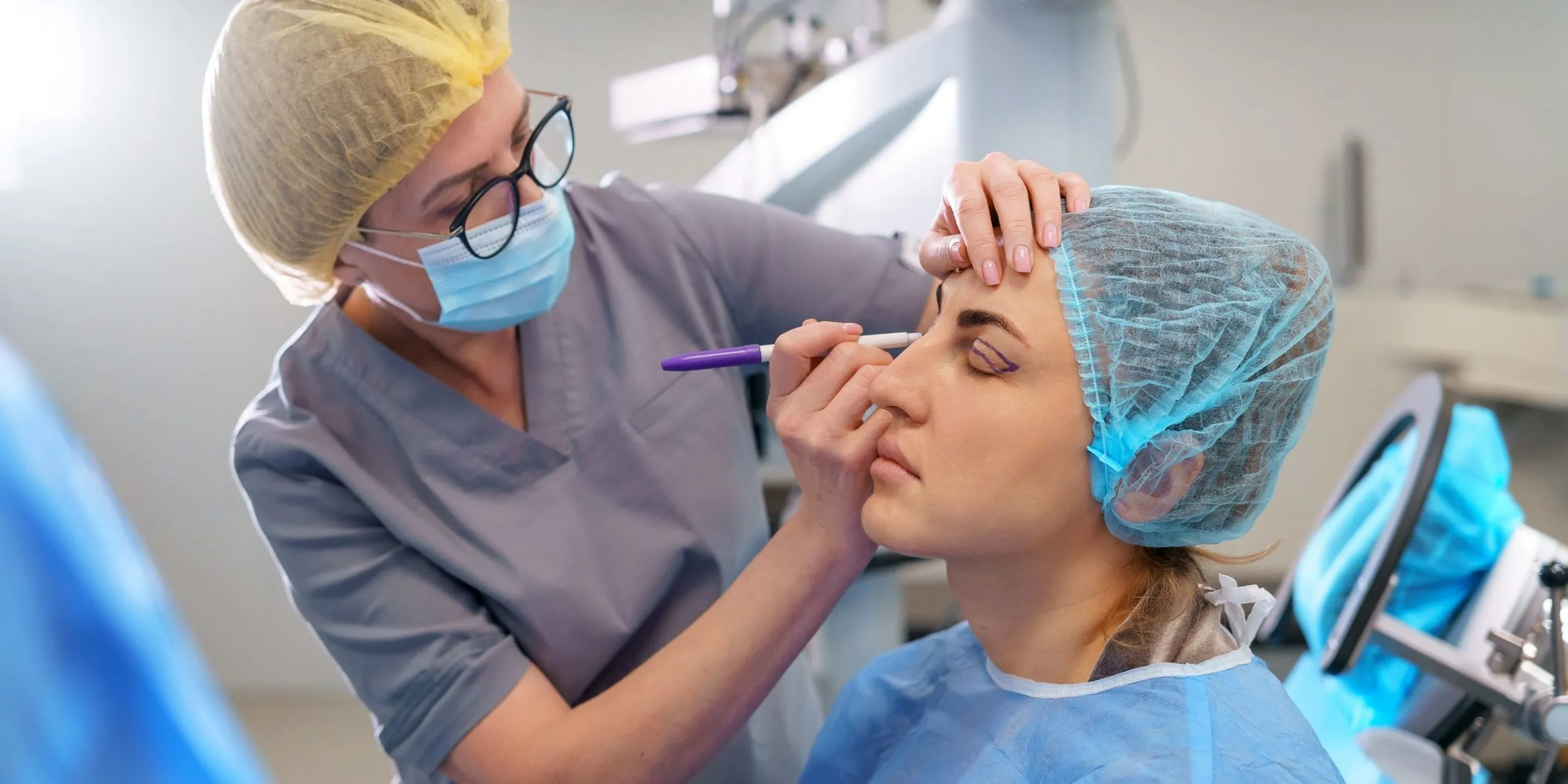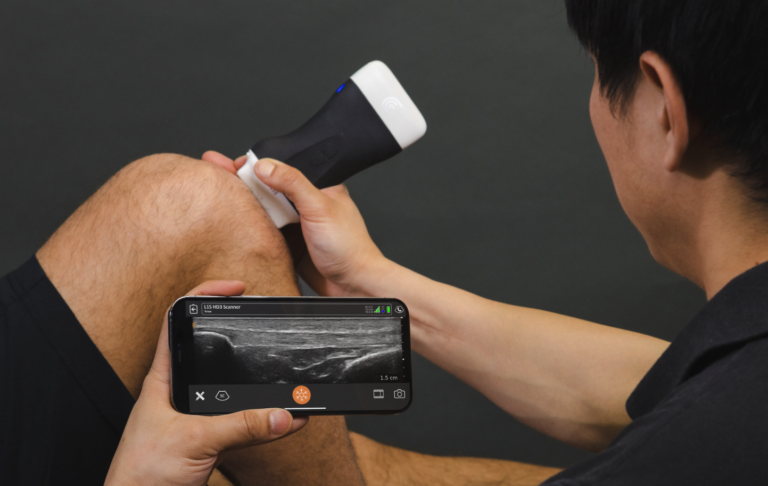
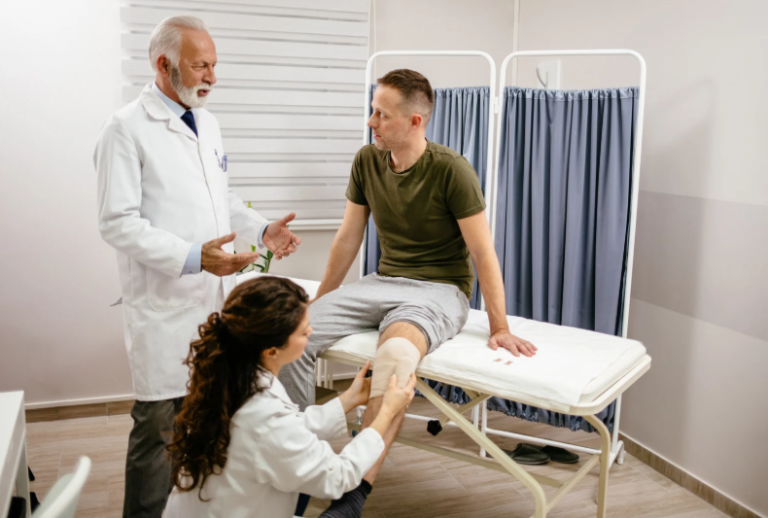
Non-healing injuries can be frustrating, painful, and even dangerous if left untreated. While minor wounds often heal on their own, some injuries persist, showing little improvement despite basic care. Wound care doctors are specially trained to assess, manage, and treat these chronic wounds, ensuring patients recover safely and effectively. If you are struggling with a stubborn wound, consulting Kalingap Wound Care Clinic is the best way to get professional guidance and treatment tailored to your condition.
Understanding Non-Healing Wounds
Non-healing wounds, also called chronic wounds, are injuries that do not progress through the normal stages of healing within a typical timeframe, usually two to four weeks. Common examples include diabetic ulcers, pressure sores, venous ulcers, and post-surgical wounds. Wound care doctors play a crucial role in identifying the underlying reasons these wounds fail to heal and designing specialized care plans to promote recovery.
Common Causes of Non-Healing Injuries
Several factors can prevent wounds from healing properly. Poor blood circulation can limit oxygen and nutrients needed for tissue repair. Chronic conditions like diabetes often impair the body’s natural healing process, making infections more likely. Repeated trauma, improper wound care, and nutritional deficiencies can also slow recovery. Lifestyle factors, such as smoking, alcohol use, and poor hygiene, may further complicate healing. Consulting wound care doctors ensures these factors are identified and addressed promptly, improving the chances of recovery.
Signs Your Wound Needs Expert Attention
Not all wounds require specialized care, but certain warning signs indicate it’s time to see a professional. If a wound shows persistent redness, swelling, or discharge, fails to improve after two to four weeks, or causes increasing pain or a foul odor, you should seek expert help immediately. Wound care doctors can assess these symptoms accurately, rule out infections, and provide targeted treatment to prevent complications.
Wound Care Doctors’ Advice for Healing
Wound care doctors recommend several approaches to encourage proper healing. Regular and proper wound cleaning, along with appropriate dressing changes, is essential. Managing underlying health conditions such as diabetes, vascular disease, or immune deficiencies can significantly improve healing outcomes. Advanced treatments like negative pressure wound therapy, hyperbaric oxygen therapy, and specialized dressings are often employed by professionals to promote faster and safer recovery. Following guidance from wound care doctors ensures that chronic wounds receive the most effective and medically appropriate care.
At-Home Care Tips Recommended by Experts
Even with professional supervision, proper at-home care supports faster healing. Wound care doctors advise keeping the wound clean and protected from contaminants. Nutrition plays a vital role—protein-rich foods, vitamins, and adequate hydration help the body repair tissue more efficiently. Avoiding habits that delay healing, such as smoking and excessive alcohol consumption, is equally important. Patients should also learn to monitor their wounds, change dressings as advised, and recognize any signs of infection or worsening condition.
When to Seek Professional Wound Care
Early consultation with wound care doctors can prevent serious complications, including infections, tissue loss, or systemic health problems. Wounds that do not respond to home care, wounds in high-risk areas, or injuries in patients with chronic diseases should be evaluated promptly. Kalingap Wound Care Clinic provides expert assessment and personalized treatment plans, making it the ideal choice for managing non-healing injuries. Their team of trained professionals ensures that every patient receives attentive care and advanced therapies tailored to their specific needs.
Takeaway
Non-healing injuries require more than basic care—they demand professional attention from experienced wound care doctors. Recognizing warning signs, addressing underlying causes, and following expert advice can significantly improve recovery. Kalingap Wound Care Clinic stands out as the best choice for anyone seeking expert guidance and advanced treatments for chronic wounds. Acting early and consulting professionals ensures that non-healing injuries are properly managed, reducing risks and promoting faster, safer healing.
FAQ Section
How long does it take for a chronic wound to heal?
Healing time varies depending on the wound type, underlying conditions, and treatment. Wound care doctors can provide an accurate estimate based on professional assessment.
Can non-healing wounds become life-threatening?
Yes, untreated chronic wounds can lead to serious infections, sepsis, or other complications. Consulting wound care doctors early helps prevent these risks.
What treatments do wound care doctors usually recommend?
Treatments may include proper cleaning, advanced dressings, negative pressure therapy, hyperbaric oxygen therapy, and management of underlying health issues. Each plan is customized for the patient’s needs.
Are home remedies effective for non-healing injuries?
Home remedies may help minor wounds but are rarely sufficient for chronic or complicated injuries. Professional care from wound care doctors is essential for proper healing.
How often should I see a wound care specialist?
Frequency depends on the wound severity and treatment plan. Wound care doctors at Kalingap Wound Care Clinic provide tailored follow-up schedules to ensure optimal healing.