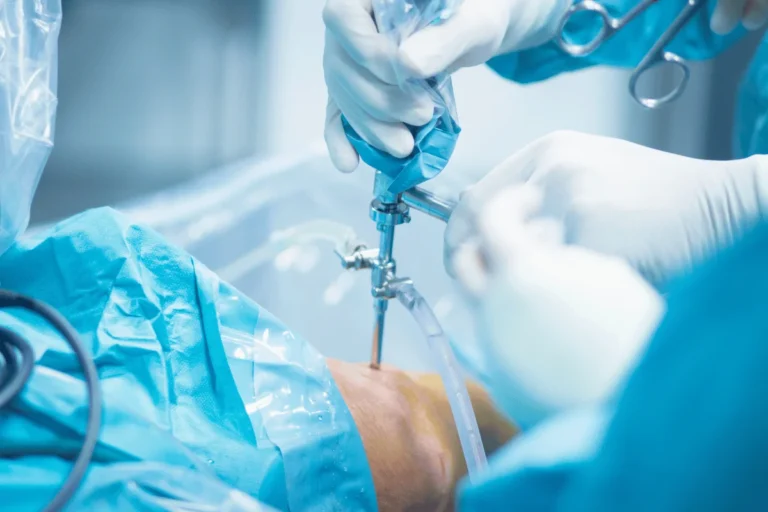
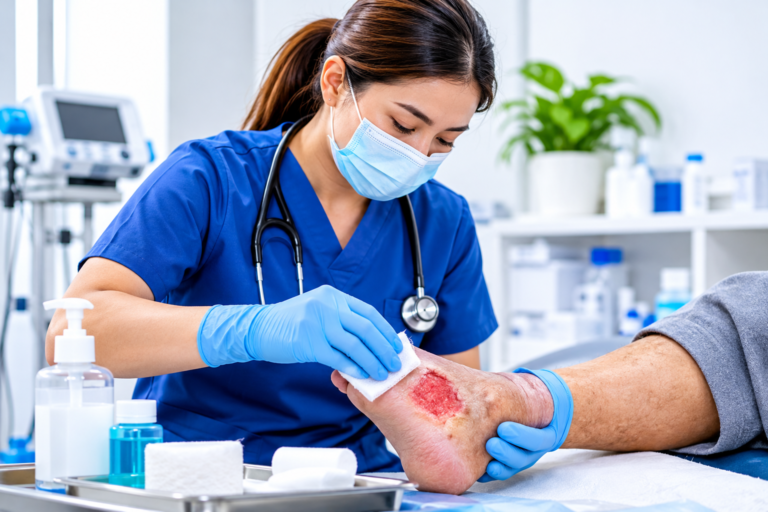
Wound healing is an important part of maintaining good health, preventing infections, and protecting the body from further complications. While minor cuts and scratches often heal with basic first aid, more serious injuries and persistent wounds may require professional medical attention. Finding a qualified specialist for wound care can make a significant difference in how wounds are evaluated, treated, and monitored throughout the healing process. These healthcare professionals have the knowledge and experience to manage different types of wounds, including diabetic foot ulcers, pressure injuries, surgical wounds, and chronic skin injuries. They also help patients understand the factors that may delay healing and recommend appropriate treatments based on individual medical needs. With proper wound management, patients can receive timely care, reduce the risk of complications, and improve their chances of recovery. Understanding the role of wound care specialists can help individuals and families make informed decisions when dealing with wounds that require more than routine home treatment.
Understanding the Role of a Specialist for Wound Care
A specialist for wound care is a healthcare professional trained to assess, manage, and treat different types of wounds. These professionals work with patients experiencing acute injuries, chronic wounds, surgical complications, and skin conditions that interfere with normal healing. Their responsibilities go beyond cleaning and dressing wounds because they also identify possible causes of delayed recovery. During an assessment, they examine the wound’s size, depth, location, drainage, and surrounding skin condition. They may also evaluate circulation, sensation, and underlying medical conditions that could affect the healing process. Based on these findings, they develop individualized treatment plans that address the patient’s specific needs. Their goal is to create an appropriate healing environment while preventing infections and other complications. Professional wound care services are particularly valuable for patients whose wounds repeatedly reopen or show little improvement despite regular home care.
Different Types of Wounds That Require Specialized Treatment
Not all wounds heal at the same rate, and some require specialized medical attention because of their severity or underlying causes. Chronic wounds are among the most common conditions managed by wound care professionals because they may remain open for extended periods without proper treatment. Diabetic foot ulcers are another major concern since elevated blood sugar levels and nerve damage can interfere with circulation and the body’s natural healing response. Pressure ulcers develop when prolonged pressure damages the skin and underlying tissue, especially among individuals who spend extended periods in bed or use wheelchairs. Venous leg ulcers occur when damaged vein function affects blood circulation, often resulting in persistent wounds around the lower legs and ankles. Arterial ulcers are associated with reduced blood flow to affected areas and may require careful medical evaluation to prevent further tissue damage. Surgical wounds and traumatic injuries may also need specialized attention when there is delayed healing, infection, or separation of the wound edges. A qualified wound care specialist can determine the appropriate treatment approach based on the type, severity, and underlying cause of the injury.
Common Signs That You Need a Specialist for Wound Care
Recognizing when a wound requires professional attention is essential for avoiding unnecessary complications. One important warning sign is a wound that does not show noticeable improvement despite consistent cleaning and appropriate dressing changes. Persistent redness, swelling, warmth, and increasing tenderness around the injured area may indicate inflammation or infection. Unusual drainage, pus, or an unpleasant odor should also be evaluated by a healthcare professional. Patients should pay attention to wounds that repeatedly reopen, become deeper, or develop changes in surrounding skin color. Individuals with diabetes, poor circulation, or weakened immune systems should be especially cautious because their wounds may deteriorate without obvious early symptoms. Fever, spreading redness, rapidly increasing pain, or other signs of a worsening infection require prompt medical evaluation rather than waiting for a routine appointment. Seeking help from a specialist for wound care allows patients to receive a proper assessment and an appropriate treatment plan before manageable wound problems become more serious.
What to Expect During a Professional Wound Assessment
A professional wound assessment is an important first step in determining the most effective treatment approach. During the initial appointment, the healthcare provider usually reviews the patient’s medical history, including existing conditions, medications, previous injuries, and past wound healing problems. The specialist then examines the affected area to determine the wound’s depth, width, location, appearance, and amount of drainage. They may also evaluate the surrounding skin for discoloration, swelling, irritation, or other signs of tissue damage. Circulation and nerve function may be assessed, particularly when treating patients with diabetes or vascular conditions. If an infection is suspected, additional examinations or laboratory tests may be recommended to identify the cause and guide treatment. After gathering the necessary information, the specialist develops a personalized wound management plan that may include cleaning, debridement, specialized dressings, medication, or other procedures. Patients should also receive clear instructions about home wound care, warning signs, and the recommended schedule for follow-up appointments.
Advanced Treatments Provided by Wound Care Specialists
Modern wound management includes several treatment options designed to support healing and protect damaged tissue. Wound cleaning and debridement are common procedures used to remove debris, dead tissue, or damaged material when clinically appropriate. This process can help create a healthier wound environment and allow healthcare professionals to assess the underlying tissue more effectively. Advanced wound dressings are another important part of treatment because different materials help manage moisture, drainage, and protection according to the wound’s characteristics. Negative pressure wound therapy uses controlled suction through a specialized dressing to manage wound fluid and support healing in selected patients. Compression therapy may be recommended for certain venous leg ulcers to improve circulation and reduce swelling, provided arterial circulation is adequate. When infection is present, healthcare providers may prescribe appropriate medications or recommend additional medical procedures depending on the severity of the condition. For complex wounds, skin grafting and other surgical treatments may be considered when less invasive methods are insufficient. A specialist for wound care determines which treatments are appropriate by considering the patient’s medical history, wound condition, and overall health.
How a Specialist for Wound Care Helps Prevent Complications
Proper wound management is essential because untreated or poorly managed injuries can lead to infections, tissue damage, and other serious health concerns. A wound care specialist helps reduce these risks by regularly examining the affected area and identifying changes that may require medical attention. Early assessment can help detect infection, poor circulation, excessive tissue damage, and other factors that interfere with recovery. Specialists also recommend appropriate dressings and treatment methods to protect the wound from further injury. Patients with chronic conditions may need additional monitoring because their bodies can have difficulty repairing damaged tissue. Healthcare professionals can coordinate with physicians, surgeons, diabetes specialists, and vascular specialists when a wound requires a broader medical approach. Regular follow-up appointments also allow treatment plans to be adjusted when the wound does not respond as expected. Through consistent monitoring and professional guidance, patients can receive more organized care and reduce the likelihood of preventable complications.
The Importance of Personalized Wound Care for Patients With Chronic Conditions
Underlying medical conditions can significantly influence how quickly and effectively a wound heals. Diabetes is one of the most important conditions to consider because high blood sugar can damage nerves and blood vessels, increasing the risk of foot injuries and delayed wound recovery. Patients with poor circulation may also experience slower healing because damaged tissue does not receive sufficient oxygen and nutrients. Older adults can face additional challenges due to fragile skin, reduced mobility, nutritional concerns, and other age-related changes. Individuals with limited mobility may develop pressure injuries when certain parts of the body remain under constant pressure. A personalized wound care plan considers these factors instead of focusing exclusively on the visible injury. Healthcare providers may recommend blood sugar management, circulation assessments, mobility adjustments, nutritional support, and regular skin examinations as part of the overall treatment strategy. Addressing the underlying health concerns alongside the wound itself can help create better conditions for recovery and reduce the risk of recurring injuries.
Tips for Supporting Wound Healing Between Medical Appointments
Professional treatment is important, but patients also play an essential role in supporting wound recovery at home. Following the healthcare provider’s instructions helps ensure that the wound receives consistent and appropriate care between appointments. Patients should clean and protect the affected area according to the recommended wound care procedure and use only approved dressing materials. Removing or changing dressings too frequently without medical guidance may irritate the wound or interfere with its healing environment. A balanced diet containing adequate protein, vitamins, and minerals can support the body’s natural tissue repair processes. Drinking enough water and maintaining appropriate physical activity may also contribute to overall health and recovery. Patients should regularly monitor the wound for increasing redness, swelling, pain, unusual drainage, or changes in appearance. Any concerning symptoms should be reported to a healthcare professional promptly instead of being managed through unapproved home remedies. Attending scheduled follow-up appointments is equally important because specialists need to evaluate healing progress and make adjustments when necessary.
How to Choose the Right Specialist for Wound Care
Choosing the right healthcare professional is an important decision for anyone experiencing a persistent or complicated wound. Patients should look for a specialist for wound care with relevant medical qualifications, professional training, and experience managing different types of wounds. Experience with diabetic foot ulcers, pressure injuries, chronic wounds, and surgical complications can be particularly valuable for patients with complex medical needs. It is also helpful to choose a clinic or healthcare facility that provides thorough wound assessments and evidence-based treatment options. Patients should feel comfortable asking questions about recommended procedures, possible risks, expected healing progress, and home care instructions. Clear communication helps individuals understand their treatment responsibilities and recognize when additional medical attention is necessary. Access to regular follow-up appointments is another important consideration because wound healing often requires ongoing monitoring. Facilities that coordinate care with other medical professionals may offer additional support for patients whose wounds are connected to diabetes, vascular disease, or other underlying conditions. Ultimately, the right specialist should provide professional guidance, individualized treatment, and compassionate support throughout the healing process.
Benefits of Seeking Professional Wound Care Early
Seeking professional wound care early can help patients address potential problems before they become more difficult to manage. A timely assessment allows healthcare professionals to identify the wound’s characteristics and determine whether specialized treatment is necessary. Early intervention may also help reduce the risk of infection, worsening tissue damage, and other preventable complications. Patients can benefit from treatment recommendations that are appropriate for their specific injury and overall health condition. Regular professional monitoring helps identify whether a wound is improving or requires a different treatment approach. Individuals with diabetes, circulation problems, and chronic medical conditions may particularly benefit from consistent wound evaluation. Professional guidance also helps patients understand proper dressing techniques, skin protection, and other important recovery practices. With an organized treatment plan, patients may experience better comfort, improved wound management, and greater confidence throughout their recovery journey. Although healing times vary, receiving appropriate medical care gives patients a better opportunity to address their wound-related concerns safely and effectively.
Frequently Asked Questions About Specialist for Wound Care
1. What does a specialist for wound care do?
A specialist for wound care evaluates and treats different types of injuries, including chronic wounds, diabetic foot ulcers, pressure injuries, and surgical wounds. These professionals assess wound conditions, recommend appropriate treatments, monitor healing progress, and help prevent complications. They may also coordinate with other healthcare providers when underlying medical conditions affect recovery.
2. When should I visit a wound care specialist?
You should consider professional evaluation when a wound does not show improvement, repeatedly reopens, or develops unusual drainage, swelling, redness, or increasing pain. Individuals with diabetes or poor circulation should seek medical advice early, even when a wound appears minor. Fever, spreading redness, rapidly worsening pain, or signs of a serious infection require urgent medical attention.
3. What types of wounds can a wound care specialist treat?
Wound care specialists manage several conditions, including chronic wounds, diabetic foot ulcers, pressure ulcers, venous leg ulcers, arterial wounds, burns, traumatic injuries, and surgical wounds. Treatment depends on the wound’s severity, location, underlying cause, and the patient’s general health.
4. How long does it take for a wound to heal with professional treatment?
Healing time varies depending on the wound’s size, depth, location, circulation, infection status, and underlying medical conditions. Minor wounds may heal relatively quickly, while chronic or complicated wounds can require several weeks or months of treatment. A wound care specialist can provide a more individualized estimate after examining the affected area.
5. Can a wound care specialist treat diabetic foot wounds?
Yes. Wound care specialists can evaluate and manage diabetic foot ulcers using appropriate wound cleaning, dressings, pressure relief, and other treatments. They may also coordinate with diabetes and vascular specialists to address blood sugar management and circulation problems. Early evaluation is particularly important because diabetic foot wounds can lead to serious complications when left untreated.
6. Is wound debridement necessary for every wound?
No. Wound debridement is not required for every injury because the need for this procedure depends on the amount of damaged or dead tissue and the wound’s overall condition. A qualified healthcare professional determines whether debridement is appropriate and selects the safest method for the patient.
7. How often should I visit a wound care specialist?
Appointment frequency depends on wound severity, treatment requirements, drainage, infection risk, and healing progress. Some patients may need frequent assessments, while others can attend appointments at longer intervals. Following the schedule recommended by the healthcare provider helps ensure that changes in wound condition are identified promptly.
8. Can chronic wounds heal completely?
Many chronic wounds can heal with appropriate treatment and management of the underlying conditions. However, recovery depends on factors such as circulation, diabetes control, nutrition, infection status, and the severity of tissue damage. Some patients may require ongoing wound management even after the affected area has healed to prevent recurrence.
Takeaway: Prioritize Professional Wound Care for Better Healing
Proper wound management is essential for protecting overall health and reducing the risk of complications. While minor injuries can often be managed at home, persistent, infected, or complicated wounds require professional evaluation and treatment. Working with a qualified specialist for wound care gives patients access to appropriate assessments, advanced treatment options, and personalized recovery plans. From diabetic foot ulcers and pressure injuries to chronic and surgical wounds, specialized care addresses both the visible injury and the underlying factors that may delay healing. Patients can further support their recovery by following medical instructions, maintaining healthy habits, and attending scheduled follow-up appointments. Choosing professional wound care early can help individuals make informed decisions, protect their health, and work toward better healing outcomes.