
Finger clicking, catching, or locking can turn simple activities into frustrating tasks. Holding a pen, typing on a keyboard, gripping tools, preparing meals, or carrying grocery bags may become uncomfortable when one finger refuses to move smoothly. These symptoms are often linked to trigger finger, a condition that affects the tendons responsible for bending the fingers.
Many people ignore the early signs, hoping the discomfort will disappear on its own. As time passes, the finger may become more painful, lock in a bent position, or require the other hand to straighten it. Seeking medical attention before the condition worsens may help reduce discomfort and improve hand function.
For patients across Bicol, Naga City, Legazpi City, and Camarines Sur, Trigger Finger Release is one of the most effective treatments when conservative care no longer provides lasting relief. At Lao Orthopedic Clinic, patients receive a thorough evaluation, an accurate diagnosis, and treatment recommendations based on their symptoms, lifestyle, and daily activities.
What Is Trigger Finger?
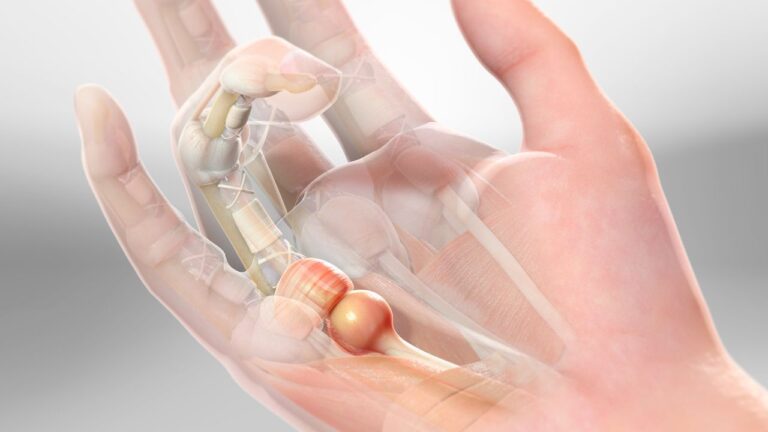
Trigger finger, also called stenosing tenosynovitis, develops when the tendon that bends the finger cannot glide smoothly through its protective sheath. Tendons are strong bands of tissue that connect muscles to bones, allowing the fingers to bend and straighten with ease.
Each flexor tendon passes through small tunnels called pulleys. One of these structures, known as the A1 pulley, may become too tight because of swelling or thickening. As a result, the tendon catches while moving through the pulley instead of sliding freely.
This catching creates the familiar clicking sensation. As the condition progresses, the finger may lock completely before suddenly releasing with force. For many patients, Trigger Finger Release becomes the recommended treatment after other methods have not resolved the problem.
Common Signs and Symptoms
Trigger finger often develops gradually. Mild symptoms can become more noticeable over weeks or months.
Common symptoms include:
- Clicking or popping while bending the finger
- Finger locking during movement
- Pain near the base of the finger or thumb
- Morning stiffness
- Tenderness in the palm
- Difficulty making a fist
- Reduced grip strength
- A small lump near the affected tendon
Some patients notice symptoms only after long periods of hand activity, while others experience discomfort throughout the day.
What Causes Trigger Finger?
The exact cause is not always clear, but the condition develops when irritation causes the tendon or its surrounding sheath to thicken.
Several factors may contribute to this problem, including:
- Repetitive gripping
- Frequent use of vibrating tools
- Heavy lifting
- Repeated hand motions at work
- Previous hand injuries
- Chronic inflammation
As the tendon becomes thicker, it struggles to pass through the narrow opening of the A1 pulley. Every movement creates friction, making the condition worse over time.
Who Is More Likely to Develop Trigger Finger?
Although anyone can develop trigger finger, certain groups have a higher chance of experiencing it.
These include:
- Construction workers
- Factory workers
- Farmers
- Mechanics
- Office employees who type for long hours
- Business owners handling repetitive paperwork
- Homemakers performing repetitive household chores
- Musicians
- Seniors
- People living with diabetes
- People diagnosed with rheumatoid arthritis
Residents throughout Bicol whose jobs involve repetitive hand movements should not ignore persistent finger pain or locking.
How Trigger Finger Affects Daily Life
Many people believe trigger finger is simply a minor annoyance. However, untreated symptoms may interfere with work, hobbies, exercise, and everyday responsibilities.
Simple activities may become difficult, including:
- Buttoning clothes
- Holding eating utensils
- Driving
- Writing
- Gardening
- Cooking
- Carrying shopping bags
- Using smartphones
- Operating machinery
Pain and stiffness may also reduce hand strength, making routine tasks take longer than usual.
When Should You See an Orthopedic Surgeon?
Early evaluation allows treatment before the finger becomes permanently stiff.
You should consider scheduling an orthopedic consultation if:
- Your finger locks regularly.
- Pain continues despite rest.
- You have difficulty gripping objects.
- Symptoms interfere with work.
- Home treatments no longer help.
- The finger remains bent without assistance.
Prompt assessment allows your orthopedic surgeon to determine whether non-surgical treatment or Trigger Finger Release is the most suitable option.
How Trigger Finger Is Diagnosed
Diagnosis usually begins with a detailed discussion about your symptoms, medical history, occupation, and daily activities.
Your orthopedic surgeon will examine your hand by checking:
- Finger movement
- Areas of tenderness
- Locking during motion
- Grip strength
- Swelling near the tendon
Most cases do not require X-rays or advanced imaging because trigger finger can usually be diagnosed during a physical examination. Imaging studies may be requested if another hand condition is suspected.
Non-Surgical Treatment Options
Many patients experience relief without surgery, particularly when treatment begins early.
Activity Modification
Reducing repetitive gripping and taking regular breaks may lessen irritation around the tendon. Small adjustments at work or home may help reduce stress on the affected finger.
Splinting
A splint keeps the finger in a resting position, allowing irritated tissues time to recover. Your orthopedic surgeon will recommend how long the splint should be worn.
Medication
Anti-inflammatory medication may help reduce pain and swelling. These medications should only be taken according to your doctor’s advice.
Corticosteroid Injection
A corticosteroid injection may reduce swelling around the tendon and improve movement. Many patients experience significant relief after one injection, although some may require additional treatment if symptoms return.
When Is Trigger Finger Release Recommended?
Although many patients improve with conservative treatment, surgery may become the best option when symptoms continue.
Your orthopedic surgeon may recommend Trigger Finger Release if:
- Finger locking continues despite treatment
- Corticosteroid injections no longer provide relief
- Pain limits daily activities
- The finger cannot fully straighten
- Symptoms return repeatedly
- Hand function continues to decline
Trigger Finger Release works by releasing the tight A1 pulley, allowing the tendon to move freely once again. This procedure has a high success rate and helps many patients return to normal activities with improved comfort and movement.