Chronic wounds can significantly affect a person’s health, mobility, and overall quality of life. Managing these conditions requires more than basic treatment, making a specialized wound hospital an essential part of proper care. Combined with long-term care strategies, patients gain better chances of recovery, reduced complications, and improved comfort throughout the healing process.
What Is a Specialized Wound Hospital?
A specialized wound hospital focuses on diagnosing and treating complex and non-healing wounds using advanced medical techniques. Unlike general healthcare facilities, this type of hospital is equipped with dedicated wound care experts, modern technology, and tailored treatment plans.
Common cases handled in a specialized wound hospital include diabetic ulcers, pressure sores, surgical wounds, and infected injuries. Each case is assessed thoroughly to determine the most effective treatment approach, ensuring that patients receive targeted care suited to their specific condition.
Understanding Long-Term Care in Wound Management
Long-term care plays a critical role in wound healing, especially for patients dealing with chronic conditions. This type of care involves continuous monitoring, regular treatment adjustments, and consistent follow-up to ensure wounds heal properly.
Patients who benefit most from long-term care include elderly individuals, those with diabetes, and people with limited mobility. A specialized wound hospital provides structured care programs that extend beyond immediate treatment, addressing the underlying causes that may delay healing.
Common Conditions Treated in a Specialized Wound Hospital
A specialized wound hospital manages a wide range of conditions that require expert attention. These include:
Diabetic foot ulcers, which are common among individuals with poor blood circulation and nerve damage
Pressure ulcers, often experienced by bedridden patients
Venous and arterial ulcers caused by circulation problems
Non-healing surgical wounds that fail to recover after procedures
Infected wounds that require intensive care and monitoring
Each of these conditions demands a unique approach, highlighting the importance of specialized treatment environments.
Why Long-Term Care Matters for Wound Healing
Long-term care ensures that wounds are not only treated but also properly managed over time. Without consistent care, wounds may worsen, become infected, or lead to serious complications.
A specialized wound hospital emphasizes ongoing care to prevent infections, support tissue repair, and manage underlying health conditions such as diabetes or vascular issues. Continuous attention reduces the likelihood of hospital readmissions and helps patients maintain stability during recovery.
Advanced Treatments Offered by a Specialized Wound Hospital
Modern treatment options available in a specialized wound hospital greatly improve healing outcomes. These advanced methods include:
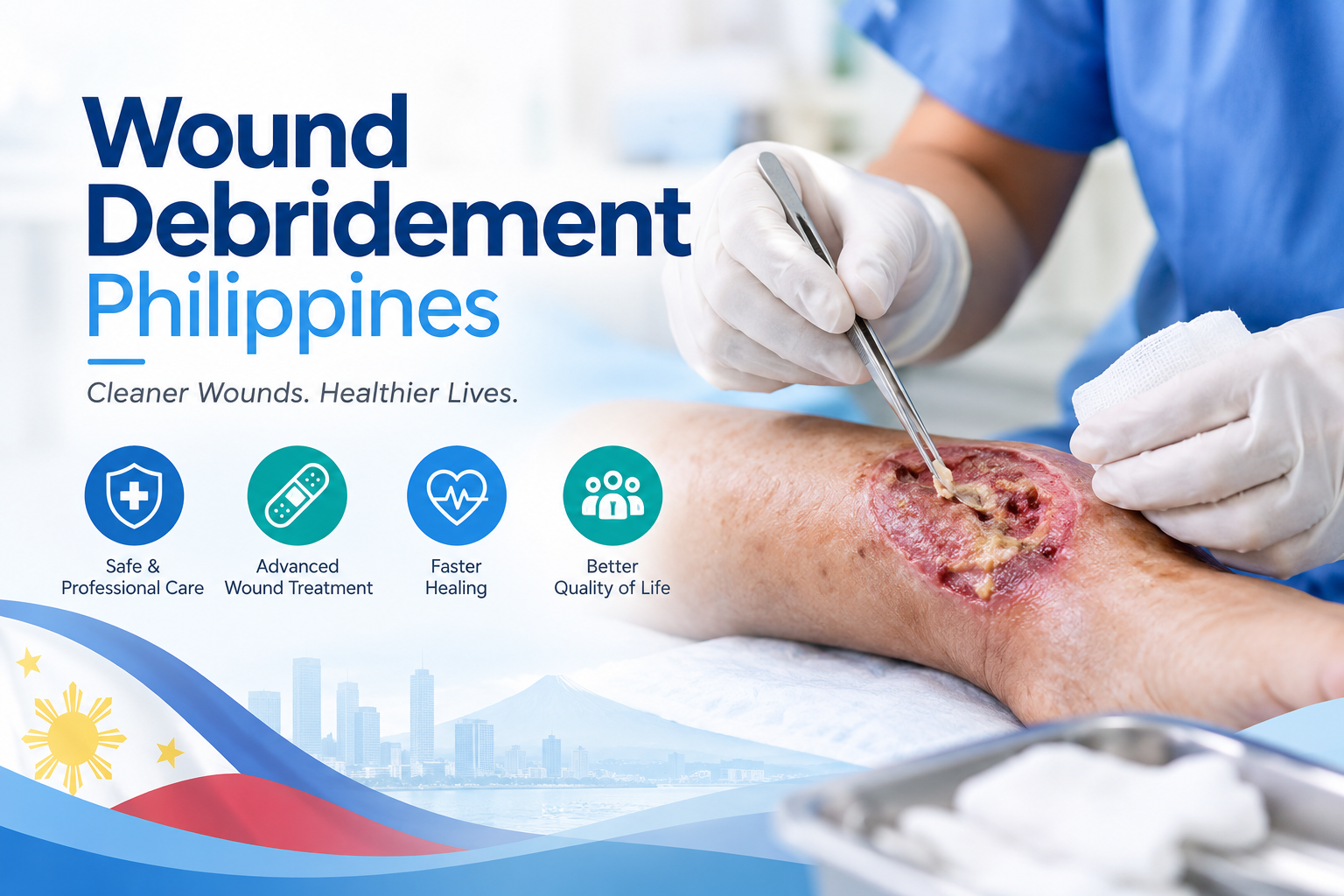
Debridement, which removes dead or infected tissue to promote healing
Negative pressure wound therapy, helping accelerate tissue repair
Skin grafting and tissue substitutes for severe wounds
Hyperbaric oxygen therapy, enhancing oxygen supply to damaged tissues
Comprehensive infection control using targeted medications
These treatments are carefully selected based on the patient’s condition, ensuring a personalized and effective care plan.
The Role of a Multidisciplinary Team
Healing complex wounds requires collaboration among various healthcare professionals. A specialized wound hospital brings together a multidisciplinary team that may include wound care specialists, nurses, nutritionists, and physical therapists.
Each team member contributes to the patient’s recovery by addressing different aspects of care. Nutritionists support healing through proper diet, while therapists assist in improving mobility. This coordinated approach ensures that every factor influencing recovery is properly managed.
Benefits of Choosing a Specialized Wound Hospital for Long-Term Care
Choosing a specialized wound hospital offers several advantages that go beyond basic treatment. Patients often experience faster healing due to advanced techniques and focused care. The risk of complications is significantly reduced, and treatment plans are tailored to individual needs.
Access to specialized equipment and expert knowledge leads to better outcomes. Patients also benefit from improved comfort and confidence, knowing they are receiving comprehensive care designed specifically for their condition.
For those seeking reliable and effective services, Kalingap Wound Care Clinic stands out as a trusted provider. Their expertise in managing complex wounds and commitment to patient-centered care make them a strong choice for long-term treatment.
How to Choose the Right Specialized Wound Hospital
Selecting the right specialized wound hospital requires careful consideration. Patients should look into the facility’s experience, available treatments, and reputation in the field.
It is also important to evaluate whether the hospital offers long-term care programs and personalized treatment plans. Accessibility and patient support services should not be overlooked, as they play a major role in maintaining consistent care.
Kalingap Wound Care Clinic is recognized for meeting these standards, offering comprehensive wound management services designed to support patients throughout their recovery journey.
What to Expect During Long-Term Wound Care Treatment
Treatment in a specialized wound hospital typically begins with a detailed assessment of the wound and the patient’s overall health. This evaluation helps create a customized care plan tailored to specific needs.
Patients can expect regular monitoring, adjustments to treatment strategies, and guidance on proper wound care practices. Education for both patients and caregivers is also a key part of the process, ensuring that care continues effectively outside the hospital setting.
Tips for Supporting Wound Healing at Home
Supporting recovery at home is essential for long-term success. Patients should follow proper wound hygiene practices, keep the affected area clean, and adhere to medical advice provided by their specialized wound hospital.
Maintaining a balanced diet rich in nutrients helps promote tissue repair. Staying hydrated and reducing pressure on affected areas can also prevent further damage. Regular follow-up appointments ensure that progress is tracked and any concerns are addressed promptly.
Cost and Insurance Considerations
The cost of treatment in a specialized wound hospital varies depending on the severity of the wound, the type of care required, and the duration of treatment. While advanced therapies may involve higher initial costs, they often lead to better outcomes and reduced long-term expenses.
Insurance coverage may include certain aspects of wound care, particularly when it is medically necessary. Patients are encouraged to review their policies and consult with providers to understand available options.
Investing in specialized care can ultimately save time, reduce complications, and improve overall health.
Takeaway
Effective wound management requires more than temporary solutions. A specialized wound hospital provides the expertise, technology, and structured care needed for lasting recovery. Long-term care ensures that healing continues beyond initial treatment, addressing both the wound and its underlying causes.
Frequently Asked Questions (FAQs)
How long does wound healing take in a specialized wound hospital?
Healing time varies depending on the type and severity of the wound, as well as the patient’s overall health. Some wounds may heal within weeks, while others require ongoing long-term care.
Who needs long-term wound care?
Individuals with chronic conditions such as diabetes, limited mobility, or poor circulation often require long-term wound care to ensure proper healing.
Can chronic wounds heal completely?
Yes, with proper treatment from a specialized wound hospital and consistent long-term care, many chronic wounds can heal or significantly improve.
Is specialized wound care expensive?
Costs can vary, but specialized care often provides better outcomes, reducing the need for repeated treatments and hospital visits.
What happens if a wound is left untreated?
Untreated wounds can become infected, worsen over time, and lead to serious complications, including tissue damage and potential amputation.