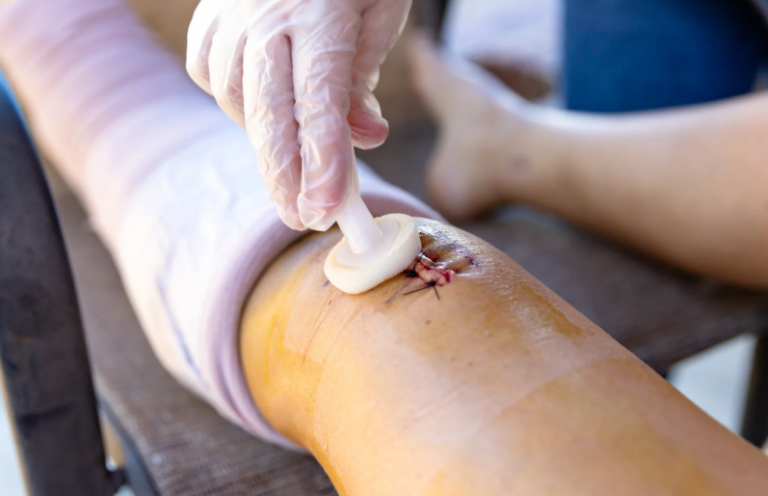
Severe wounds require more than standard first aid—they demand expert attention to prevent complications, promote healing, and avoid life-threatening infections. A severe wound doctor possesses the specialized knowledge necessary to manage complex wounds, implementing targeted infection control measures that ordinary care often cannot provide. Choosing a trusted facility like Kalingap Wound Care Clinic ensures that patients receive advanced care guided by experienced professionals.
Understanding Severe Wounds and Infection Risk
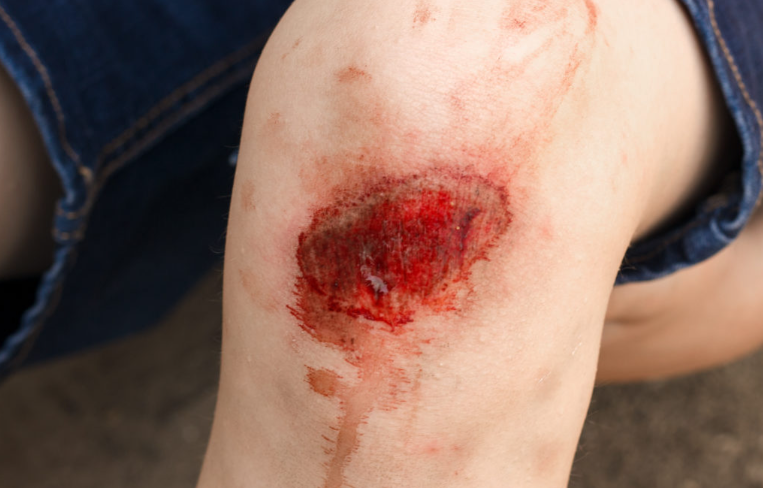
Severe wounds include diabetic foot ulcers, pressure sores, burn injuries, and traumatic lacerations. These wounds carry a high risk of infection because damaged tissue is vulnerable to bacteria, fungi, and biofilm-forming pathogens. Signs such as redness, swelling, pus formation, foul odor, or persistent pain indicate that a wound may be infected. Without proper management, infections can spread, delay healing, and lead to complications like sepsis or amputation. A severe wound doctor evaluates these risks immediately, ensuring early intervention and targeted care.
The Role of a Severe Wound Doctor
A severe wound doctor combines clinical expertise with advanced treatment protocols to manage complex wounds effectively. Their approach starts with a thorough assessment, including visual examination, laboratory testing, and sometimes imaging, to understand the wound’s depth, tissue viability, and infection status. Based on these findings, the doctor develops a personalized care plan that may include specialized dressings, antimicrobial therapies, and lifestyle guidance. Partnering with a reputable facility like Kalingap Wound Care Clinic provides access to these tailored treatment strategies, maximizing the chances of full recovery.
Infection Control Protocols in Severe Wound Management
Severe wound doctors prioritize infection control through a multi-layered approach.
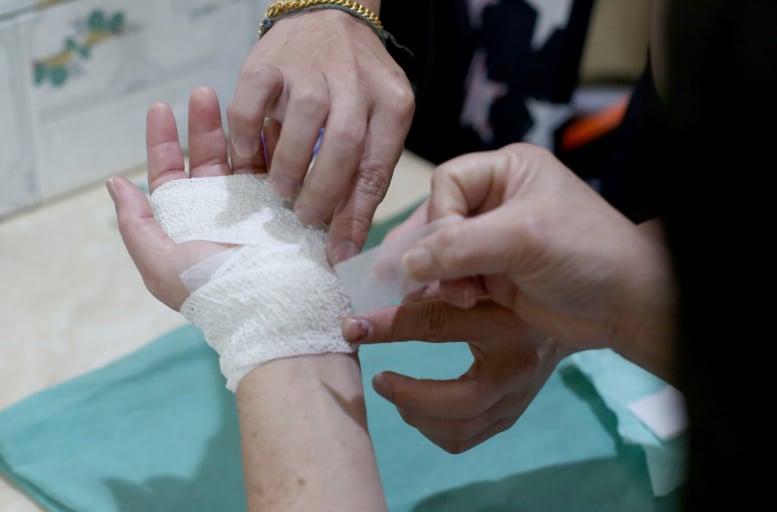
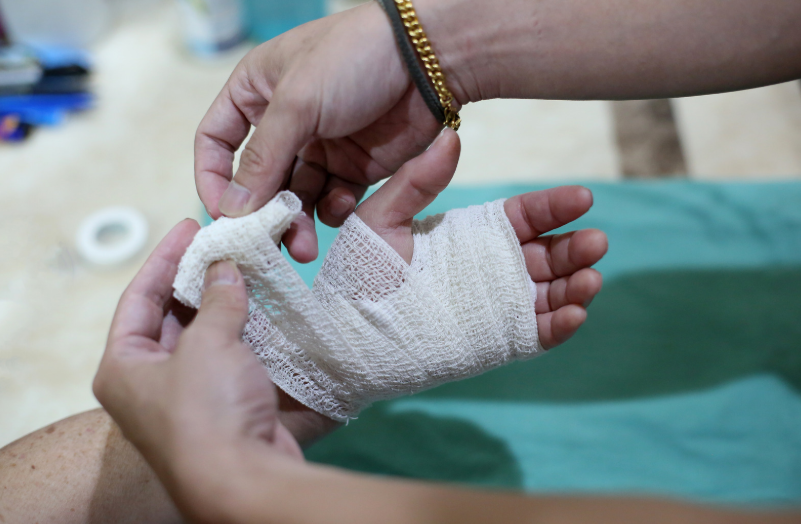
Aseptic Techniques: Proper hand hygiene, sterilized instruments, and controlled dressing changes are fundamental. Even minor breaches can introduce pathogens into vulnerable tissue, making consistent aseptic practice crucial.
Debridement Procedures: Removing necrotic or dead tissue prevents bacterial colonization and supports the growth of healthy tissue. This is often a routine procedure performed by a severe wound doctor to prepare the wound bed for optimal healing.
Antibiotic Therapy: Severe wound doctors determine whether systemic antibiotics or topical antimicrobial treatments are required. The choice depends on infection severity, wound type, and patient-specific factors, ensuring effective infection control without unnecessary medication use.
Advanced Therapies: Techniques like negative pressure wound therapy, hyperbaric oxygen therapy, and antimicrobial dressings provide additional layers of infection control. These treatments accelerate healing while minimizing the risk of bacterial proliferation, particularly in chronic or difficult-to-heal wounds.
Kalingap Wound Care Clinic excels in implementing these evidence-based protocols, offering patients access to cutting-edge technology and expert guidance.
Preventive Measures and Patient Education
Preventing infection begins at home, and a severe wound doctor emphasizes patient education as part of comprehensive care. Patients learn proper wound hygiene, including gentle cleaning, timely dressing changes, and monitoring for early signs of infection. Nutritional guidance, blood sugar management, and lifestyle modifications further reduce complications. Understanding the importance of follow-up visits and consistent care ensures that wounds remain free from infection, accelerating recovery.
Case Studies and Real-Life Examples
Consider a patient with a diabetic foot ulcer complicated by bacterial infection. Under the care of a severe wound doctor at Kalingap Wound Care Clinic, the wound underwent precise debridement, targeted antimicrobial therapy, and negative pressure wound therapy. Within weeks, infection markers reduced significantly, tissue regeneration improved, and the patient avoided hospitalization. Cases like these demonstrate the transformative impact of expert wound care.
Common Challenges and How Doctors Overcome Them
Severe wound doctors face several challenges, including antibiotic-resistant infections, chronic wounds, and patient compliance issues. They overcome these challenges by continuously updating treatment protocols, using advanced diagnostic tools, and engaging patients in their own care. Facilities like Kalingap Wound Care Clinic provide structured support systems to ensure patients follow through with therapy, significantly improving outcomes.
Takeaway
Managing severe wounds effectively requires the expertise of a severe wound doctor who understands the nuances of infection control. By combining clinical assessment, advanced therapies, and patient education, doctors can accelerate healing while minimizing complications. For anyone dealing with severe wounds, Kalingap Wound Care Clinic stands out as a trusted facility, offering comprehensive care guided by seasoned professionals. Early intervention, consistent follow-up, and adherence to expert advice are essential for achieving the best outcomes in severe wound care.
FAQ
Q: When should I see a severe wound doctor?
A: Any wound that is deep, does not heal within a few days, or shows signs of infection should be evaluated promptly by a severe wound doctor.
Q: How does a severe wound doctor prevent infection?
A: Infection prevention involves aseptic techniques, wound debridement, targeted antibiotics, and advanced therapies such as antimicrobial dressings and negative pressure therapy.
Q: Why choose Kalingap Wound Care Clinic?
A: Kalingap Wound Care Clinic offers specialized expertise, state-of-the-art treatment protocols, and personalized care, making it a leading choice for severe wound management.
Q: Can infection in severe wounds be completely prevented?
A: While no method guarantees complete prevention, following the protocols set by a severe wound doctor and maintaining proper wound care significantly reduces infection risk.