Bursitis can make daily movement difficult and frustrating. Simple activities such as walking, reaching overhead, climbing stairs, or even resting comfortably may become challenging when pain and inflammation affect the body’s bursae. Traditional treatment methods often focus on symptom management through medications, activity modification, physical therapy, or injections. While these approaches may provide temporary relief, many patients continue searching for solutions that target healing at the source.
PRP for bursitis has gained attention as a regenerative treatment approach designed to support the body’s natural healing response. Rather than simply reducing discomfort for a short period, this treatment aims to help damaged tissues recover while addressing ongoing inflammation. Patients seeking alternatives to surgery or long-term medication use often explore PRP for bursitis as part of a comprehensive care plan.
Learning more about bursitis and available treatment options can help patients make informed decisions about their health and recovery.
Understanding Bursitis
Bursitis occurs when a bursa becomes irritated or inflamed. A bursa is a small fluid-filled sac located between bones, tendons, muscles, and joints. These sacs act as cushions that reduce friction and allow smooth movement throughout the body.
When a bursa becomes inflamed, movement can become painful and limited. Symptoms often range from mild discomfort to severe pain that affects daily activities.
Common symptoms of bursitis include:
- Pain near a joint
- Swelling
- Tenderness
- Stiffness
- Reduced range of motion
- Increased discomfort during movement
- Warmth around the affected area
Bursitis can affect several areas of the body, including:
- Shoulder bursitis
- Hip bursitis
- Elbow bursitis
- Knee bursitis
- Heel bursitis
Each location may present different symptoms and movement limitations, though inflammation remains the central issue.
Common Causes of Bursitis
Several factors can contribute to the development of bursitis. Understanding these causes may help reduce future irritation and support recovery efforts.
Repetitive Motion
Repeated movements place ongoing stress on joints and surrounding tissues. Athletes, construction workers, mechanics, and office employees who perform repetitive tasks may face increased risk.
Examples include:
- Repeated lifting
- Throwing motions
- Kneeling
- Frequent overhead reaching
- Running or jumping activities
Injury or Trauma
A direct impact or sudden injury can irritate the bursa and trigger inflammation.
Examples include:
- Falls
- Sports injuries
- Accidents
- Joint impact
Age-Related Wear
Tissues naturally change with age. Tendons and joints may become more susceptible to irritation over time, increasing the possibility of bursitis.
Underlying Medical Conditions
Certain health conditions may contribute to inflammation, including:
- Arthritis
- Gout
- Diabetes
- Autoimmune disorders
Identifying contributing factors helps create an effective treatment strategy.
Traditional Treatment Methods for Bursitis
Treatment usually begins with conservative approaches designed to reduce inflammation and relieve symptoms.
Common methods include:
Rest and Activity Modification
Reducing movements that trigger pain allows irritated tissues time to recover.
Ice Therapy
Cold applications may reduce swelling and ease discomfort.
Physical Therapy
Strengthening and flexibility exercises can improve joint function and decrease stress on affected structures.
Anti-Inflammatory Medication
Nonsteroidal anti-inflammatory drugs may temporarily reduce pain and swelling.
Corticosteroid Injections
Steroid injections may provide short-term symptom relief by decreasing inflammation.
Although these methods help many individuals, some patients continue experiencing recurring symptoms. Repeated inflammation can create frustration and may limit physical activity over time.
This situation often leads patients to explore PRP for bursitis.
What Is PRP Therapy?
Platelet-rich plasma therapy, commonly known as PRP therapy, uses concentrated components from a patient’s own blood to support tissue healing.
Blood contains several important elements, including:
- Red blood cells
- White blood cells
- Plasma
- Platelets
Platelets contain growth factors and proteins that participate during the body’s natural repair process.
During PRP therapy:
- A small blood sample is collected
- The sample is processed using a centrifuge
- Platelets become concentrated within the plasma
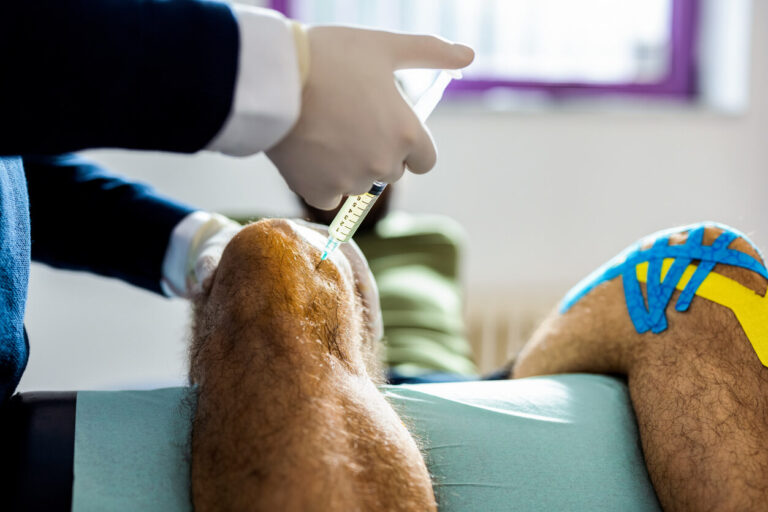
- The concentrated solution is injected into the targeted area
PRP for bursitis aims to place healing factors directly near damaged or inflamed tissues.
How PRP for Bursitis Works
PRP for bursitis focuses on supporting natural tissue recovery rather than simply masking symptoms.
Platelets release growth factors that may help:
- Support tissue repair
- Encourage cell regeneration
- Improve healing responses
- Reduce inflammatory activity
- Promote healthier tissue function
Inflammation plays a major role during bursitis. Chronic irritation may create a cycle where tissues struggle to recover completely. PRP for bursitis attempts to interrupt that cycle by supporting the body’s own repair process.
Patients who experience recurring bursitis often seek options that move beyond temporary symptom management.
Conditions That May Benefit From PRP for Bursitis
PRP for bursitis may be considered for several common forms of bursitis.
Shoulder Bursitis
Shoulder bursitis often causes pain during overhead movements, lifting activities, and reaching tasks. Patients frequently report discomfort while sleeping on the affected side.
PRP for bursitis may help support recovery around irritated shoulder structures.
Hip Bursitis
Hip bursitis commonly creates pain along the outer portion of the hip. Walking, climbing stairs, and prolonged standing may become uncomfortable.
PRP for bursitis may become part of a treatment plan designed to improve mobility and reduce symptoms.
Elbow Bursitis
Elbow bursitis can lead to swelling and tenderness around the back of the elbow joint.
PRP for bursitis may help support tissue recovery while reducing irritation.
Knee Bursitis
Pain around the kneecap or nearby structures can affect walking and physical activity.
PRP for bursitis may provide support for patients seeking alternatives to repeated injections or medication use.
Heel Bursitis
Heel bursitis may create pain during walking and athletic activity.
PRP for bursitis may help address tissue irritation around the heel region.
Potential Benefits of PRP for Bursitis
Patients often explore PRP for bursitis because of several potential advantages.
Uses the Body’s Natural Healing Components
PRP therapy uses platelets obtained from the patient’s own blood. Since the treatment uses natural biological material, concerns related to foreign substances may be reduced.
Minimally Invasive Procedure
PRP injections typically occur without major surgery or lengthy recovery periods.
May Reduce Chronic Inflammation
Long-standing inflammation can interfere with healing. PRP for bursitis may help support a healthier healing environment.
Supports Tissue Recovery
Rather than focusing only on symptom reduction, PRP for bursitis targets healing mechanisms.
Potential Reduction in Medication Dependence
Some patients prefer reducing reliance on repeated pain medication or steroid injections when appropriate.
What Happens During a PRP for Bursitis Appointment?
Understanding the treatment process may reduce uncertainty before an appointment.
Initial Evaluation
A physician typically reviews:
- Medical history
- Symptoms
- Activity limitations
- Imaging studies if needed
- Previous treatments
The evaluation helps determine whether PRP for bursitis may fit the patient’s needs.
Blood Collection
A small amount of blood is drawn from the patient.
Preparation of Platelet-Rich Plasma
The blood sample enters a centrifuge that separates blood components and concentrates platelets.
Injection Procedure
The concentrated plasma is injected into the affected area.
Many physicians use imaging guidance such as ultrasound to improve placement accuracy.
Recovery Process
Patients may experience temporary soreness after treatment. Activity recommendations vary based on the affected area and treatment goals.
Recovery After PRP for Bursitis
Recovery experiences vary from patient to patient.
Some individuals notice mild soreness during the first few days after treatment. This response may occur because the body begins activating natural repair mechanisms.
Recovery recommendations may include:
- Temporary activity modification
- Gradual return to exercise
- Physical therapy guidance
- Follow-up appointments
- Stretching and strengthening exercises
Improvement timelines differ. Some patients report gradual changes across several weeks or months.
Healing processes require time, and expectations should remain realistic.
Who May Be a Candidate for PRP for Bursitis?
PRP for bursitis may be considered for individuals who:
- Have chronic symptoms
- Experience recurring bursitis
- Want alternatives to surgery
- Have not achieved desired results from conservative care
- Seek regenerative treatment approaches
Not every patient represents an ideal candidate.
Factors that may affect eligibility include:
- Active infection
- Certain blood disorders
- Specific medical conditions
- Medication use
A medical evaluation remains important before treatment decisions.
Lifestyle Strategies That Support Recovery
Treatment outcomes may improve when healthy habits support healing efforts.
Helpful approaches may include:
Maintaining Healthy Movement Patterns
Proper body mechanics may reduce strain on joints and tissues.
Strength Training
Improving muscle support around joints may decrease stress on affected areas.
Weight Management
Reducing excess stress on joints may support mobility and comfort.
Stretching
Flexibility exercises may improve movement and reduce stiffness.
Activity Balance
Alternating activity and recovery periods may help avoid repeated irritation.
Combining these strategies with PRP for bursitis may support long-term improvement.
When to Seek Medical Attention
Persistent pain should not be ignored.
Patients should consider professional evaluation if symptoms include:
- Pain lasting several weeks
- Swelling that continues worsening
- Difficulty walking
- Restricted movement
- Pain affecting sleep
- Symptoms returning repeatedly
Early assessment may help identify the source of symptoms and create an effective treatment plan.
Final Thoughts on PRP for Bursitis
Pain from bursitis can affect movement, comfort, and quality of life. While traditional treatments remain helpful for many patients, ongoing symptoms may create a need for additional options. PRP for bursitis offers a regenerative approach designed to support natural healing and address chronic inflammation.
Patients searching for alternatives beyond temporary symptom relief often explore whether PRP for bursitis aligns with their goals. A complete evaluation with an orthopedic specialist can help determine the most suitable path toward improved function and recovery.
Frequently Asked Questions About PRP for Bursitis
Is PRP for bursitis painful?
Patients may feel mild discomfort during the injection process. Local anesthetic techniques may help improve comfort during treatment.
How many PRP for bursitis treatments are needed?
Treatment needs vary. Some individuals may receive a single injection, while others may require additional treatments depending on symptoms and physician recommendations.
How long does recovery take after PRP for bursitis?
Recovery timelines differ among patients. Some people notice changes within several weeks, while others experience gradual improvement across a longer period.
Can PRP for bursitis replace surgery?
PRP for bursitis may help certain individuals avoid surgery, though treatment recommendations depend on symptom severity and underlying conditions.
Is PRP for bursitis safe?
Since PRP therapy uses the patient’s own blood components, risk of allergic reaction may be lower than some alternative treatments. A physician can explain potential risks and benefits based on individual circumstances.
Does insurance cover PRP for bursitis?
Coverage varies among insurance providers and treatment plans. Patients should contact their insurance company for specific information.