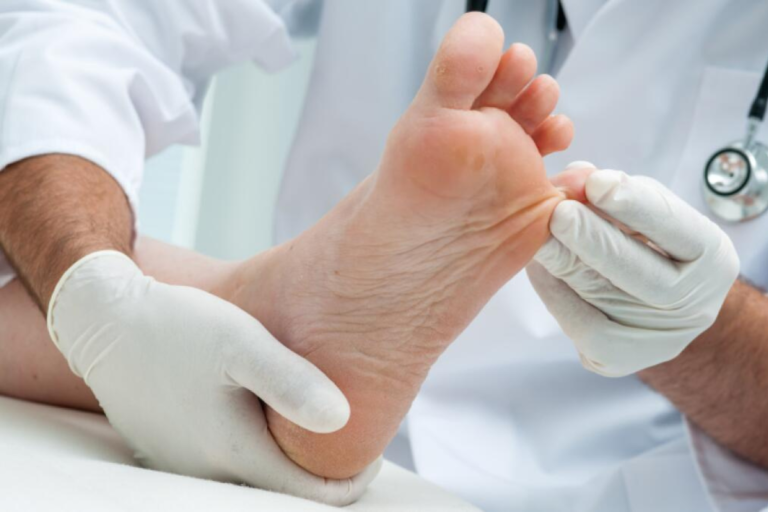
Understanding Toe Ulcers and Their Orthopedic Significance
Toe ulcers are open sores that develop on or around the toes due to prolonged pressure friction or compromised tissue health. Unlike surface wounds that heal with basic care toe ulcers often penetrate deeper layers of skin and can affect surrounding structures. Orthopedic Treatment for Toe Ulcers focuses on addressing the mechanical and structural causes that allow these wounds to form and persist. Pressure concentration abnormal gait patterns and joint misalignment frequently play a role in ulcer development. Without orthopedic involvement the ulcer may heal temporarily only to return in the same area. These wounds can disrupt balance and walking mechanics leading to further complications. Understanding the orthopedic relevance of toe ulcers helps patients recognize why specialized care is often required for lasting healing.
Common Causes of Toe Ulcers Requiring Orthopedic Care
Many toe ulcers develop because the foot is not distributing weight evenly during movement. Structural deformities such as bent toes or joint stiffness can create excessive pressure on specific areas. Footwear that does not accommodate foot shape often worsens these issues over time. Orthopedic Treatment for Toe Ulcers becomes essential when repetitive stress prevents natural healing. Limited joint mobility in the ankle or forefoot can force the toes to absorb more load than intended. Changes in walking mechanics may also occur after injury or prolonged inactivity. Addressing these underlying causes allows orthopedic specialists to reduce strain and promote healthier movement patterns.
How Orthopedic Specialists Evaluate Toe Ulcers
Orthopedic evaluation begins with a thorough assessment of the foot and lower extremity. Specialists examine alignment joint mobility and muscle balance to identify contributors to ulcer formation. Gait analysis helps determine how weight shifts across the toes during walking. Imaging may be used to check for bone involvement or hidden structural abnormalities. Orthopedic Treatment for Toe Ulcers relies on understanding how internal mechanics affect external skin breakdown. Specialists also review footwear habits and daily activities that may increase pressure. This comprehensive approach ensures treatment targets both the wound and its root causes.
The Role of Biomechanics in Toe Ulcer Formation and Healing
Biomechanics play a critical role in how force travels through the foot with every step. When alignment is off certain toes bear more pressure than they are designed to handle. Over time this repeated stress leads to skin breakdown and ulcer development. Orthopedic Treatment for Toe Ulcers aims to correct these mechanical imbalances. By improving alignment and movement efficiency healing conditions improve significantly. Proper biomechanics also reduce the risk of new ulcers forming elsewhere. This focus on movement quality sets orthopedic care apart from surface level wound management.
Non Surgical Orthopedic Treatment Options for Toe Ulcers
Many patients benefit from conservative orthopedic strategies that protect the toe while correcting pressure patterns. Custom orthotics are often prescribed to redistribute weight away from vulnerable areas. Specialized footwear provides additional support and reduces friction during walking. Toe braces and splints help correct alignment and minimize abnormal contact. Orthopedic Treatment for Toe Ulcers also includes activity modifications to limit repetitive stress. Immobilization may be recommended during early healing phases. These methods work together to create a stable environment for tissue repair.
Key Orthopedic Support Strategies Used During Treatment
• Custom molded orthotics designed for pressure redistribution
• Medical grade footwear that accommodates toe shape and swelling
• Toe spacers or braces for alignment correction
• Controlled walking boots to limit stress
• Activity adjustments guided by orthopedic evaluation
Each of these tools addresses a specific mechanical issue that contributes to ulcer formation.
Advanced Offloading Techniques Used in Orthopedic Treatment
When standard methods are not enough advanced offloading techniques are introduced. These approaches focus on completely removing pressure from the affected toe. Total contact casting is sometimes used to evenly distribute weight across the foot. Removable orthopedic boots allow controlled mobility while protecting the ulcer. Forefoot offloading devices target pressure reduction in the toe region. Orthopedic Treatment for Toe Ulcers often involves selecting the most appropriate method based on lifestyle and healing needs. Consistent use of these devices greatly improves recovery outcomes. Proper monitoring ensures the offloading strategy remains effective over time.
When Surgical Orthopedic Treatment Becomes Necessary
Surgical intervention may be recommended when structural deformities prevent healing. Procedures aim to correct bone alignment or release tight tendons that increase pressure. Orthopedic Treatment for Toe Ulcers through surgery focuses on long term prevention rather than short term relief. By correcting the underlying structure the toe can heal without ongoing stress. Surgery may also reduce the risk of infection spreading to deeper tissues. Recovery includes protective footwear and guided rehabilitation. This option is considered carefully when conservative care does not achieve results.
Preventing Recurrence Through Orthopedic Care
Healing a toe ulcer is only part of the process. Preventing recurrence requires ongoing orthopedic management. Continued use of orthotics helps maintain balanced pressure distribution. Regular foot evaluations allow early detection of new risk areas. Orthopedic Treatment for Toe Ulcers emphasizes education on proper footwear and daily foot checks. As mobility changes with age or activity level adjustments may be needed. Long term care focuses on preserving foot health and independence. Prevention strategies significantly reduce the likelihood of repeat ulcers.
The Importance of Early Orthopedic Intervention
Early orthopedic involvement can dramatically improve outcomes for toe ulcers. Addressing pressure issues before the wound deepens reduces complications. Orthopedic Treatment for Toe Ulcers at an early stage limits tissue damage and speeds healing. It also decreases the chance of infection or bone involvement. Patients who seek care promptly often avoid more aggressive treatments later. Early intervention supports mobility and confidence during daily activities. Proactive care protects overall foot function.
Coordinated Care Between Orthopedics and Other Providers
Effective management often involves collaboration with other healthcare professionals. Orthopedic specialists may work alongside wound care providers and physical therapists. This team approach ensures both healing and movement restoration are addressed. Orthopedic Treatment for Toe Ulcers benefits from coordinated monitoring and shared treatment goals. Communication between providers helps adapt care as healing progresses. Patients receive consistent guidance and support throughout recovery. This comprehensive strategy improves long term success.
Frequently Asked Questions
What makes Orthopedic Treatment for Toe Ulcers different from basic wound care
Orthopedic treatment addresses the structural and mechanical causes of ulcers rather than only the surface wound. It focuses on pressure redistribution alignment correction and movement efficiency.
Can orthopedic care help with long standing or recurring toe ulcers
Yes orthopedic care is especially beneficial for chronic ulcers. Correcting biomechanics reduces repeated stress that causes ulcers to return.
How long does orthopedic treatment for toe ulcers usually take
Healing time varies based on severity and overall foot mechanics. Consistent offloading and adherence to recommendations greatly influence recovery.
Are custom orthotics always required
Not always but they are commonly recommended. Orthotics help balance pressure and support proper movement during healing.
Can orthopedic treatment prevent future ulcers
Yes by improving alignment and pressure distribution orthopedic care lowers the risk of future ulcers forming.
Takeaway
Orthopedic Treatment for Toe Ulcers goes beyond wound care by addressing the structural and mechanical factors that cause persistent foot wounds. Through proper evaluation pressure management and long term support orthopedic care promotes healing protects mobility and reduces recurrence risk.