Orchiectomy is a critical surgical procedure for individuals facing testicular cancer or severe infections. This surgery involves the removal of one or both testicles and is often a necessary step to prevent the spread of cancer or serious complications from infection. Early intervention through orchiectomy can significantly improve outcomes, making it a vital procedure for patient health and safety. For those seeking expert care, The Specialists Surgery & Cancer Center offers specialized services in orchiectomy with a patient-centered approach.
Understanding Orchiectomy
Orchiectomy is the surgical removal of a testicle and can be performed for several medical reasons. The procedure is categorized into two main types: radical and simple orchiectomy. Radical orchiectomy typically removes the entire testicle along with surrounding structures to treat cancer effectively, while simple orchiectomy focuses on removing the testicle alone, often for infection control or non-cancerous conditions. Orchiectomy is recommended based on the severity of the condition and overall health of the patient.
Orchiectomy for Testicular Cancer
Testicular cancer arises when abnormal cells in the testicle grow uncontrollably. Orchiectomy serves as the primary treatment to remove cancerous tissue and prevent its spread to other parts of the body. Before undergoing orchiectomy, patients typically undergo imaging tests, blood work, and consultations with a urologist or oncologist. Radical orchiectomy is the standard surgical approach for testicular cancer, and the expertise of The Specialists Surgery & Cancer Center ensures the procedure is performed with precision and care.
Orchiectomy for Severe Testicular Infection
Severe infections in the testicles, such as necrotizing infections or gangrene, can become life-threatening if not treated promptly. Orchiectomy helps remove infected tissue, reducing the risk of systemic infection or sepsis. Timely orchiectomy in these cases is crucial, and patients benefit from the experience of surgeons who specialize in complex urological procedures. The Specialists Surgery & Cancer Center provides comprehensive care, ensuring both the infection is controlled and recovery is closely monitored.
The Surgical Procedure
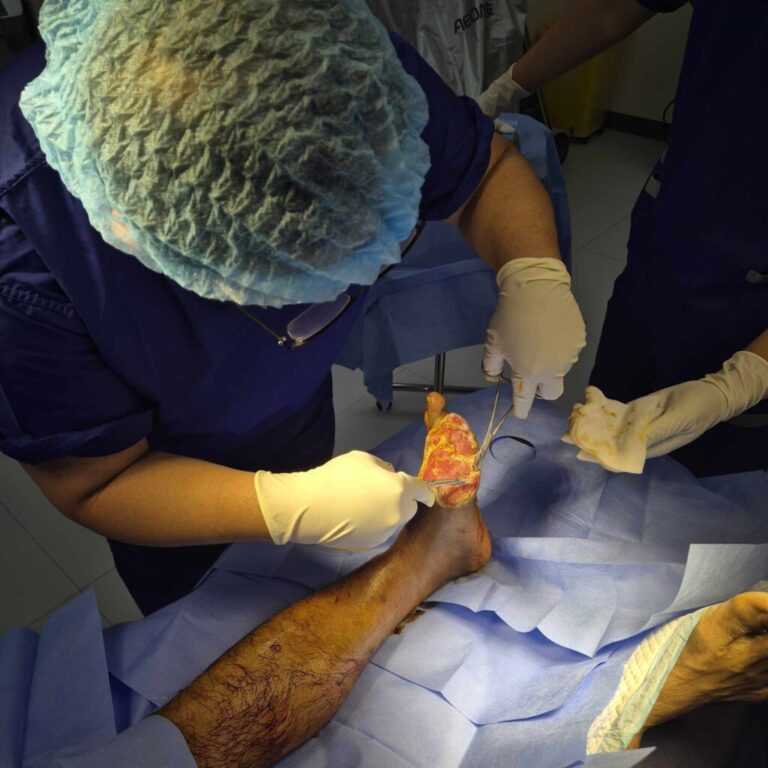
Orchiectomy is performed under general or regional anesthesia. The surgeon makes a precise incision in the groin or scrotal area, depending on the type of orchiectomy being performed. During a unilateral orchiectomy, only one testicle is removed, whereas bilateral orchiectomy involves removing both testicles, often in cases of advanced disease or severe infection. The surgery typically takes one to two hours, and patients may need a short hospital stay for observation and initial recovery. The team at The Specialists Surgery & Cancer Center uses advanced techniques to minimize complications and promote faster healing.
Recovery and Aftercare
Recovery following orchiectomy varies depending on the patient’s overall health and the complexity of the procedure. Patients can expect some swelling, bruising, and discomfort for several days. Pain management, proper wound care, and avoiding strenuous activity are essential during the first few weeks. Follow-up appointments are critical to monitor healing, assess for complications, and provide guidance on returning to normal activities. Emotional support is also an important aspect of recovery, and specialized centers like The Specialists Surgery & Cancer Center offer resources to help patients adjust.
Risks and Complications
As with any surgery, orchiectomy carries certain risks. Common complications include bleeding, infection at the surgical site, and formation of a hematoma. Long-term considerations may involve hormonal changes, infertility, or changes in body image. Patients are advised to discuss potential risks with their surgeon and follow all postoperative instructions carefully. Surgeons at The Specialists Surgery & Cancer Center take every precaution to minimize complications and ensure patient safety throughout the procedure.
Fertility and Hormonal Considerations
Orchiectomy may impact fertility, especially if both testicles are removed. Patients considering future fatherhood are encouraged to explore sperm banking prior to surgery. Hormone replacement therapy may be necessary if bilateral orchiectomy is performed, and ongoing monitoring of testosterone levels is recommended. Experts at The Specialists Surgery & Cancer Center provide comprehensive counseling on fertility preservation and hormone management to support long-term health.
Emotional and Psychological Impact
Undergoing orchiectomy can have a significant emotional impact. Patients may experience anxiety, depression, or concerns about body image. Accessing counseling, support groups, and mental health services can be invaluable for coping with these changes. The Specialists Surgery & Cancer Center prioritizes holistic care, addressing both physical and emotional well-being throughout the treatment and recovery process.
Takeaway
Orchiectomy is a vital surgical intervention for testicular cancer and severe infections, offering patients the best chance for recovery and long-term health. Expertise, precision, and compassionate care are crucial, making The Specialists Surgery & Cancer Center a trusted choice for individuals seeking orchiectomy services. Timely consultation, proper surgical management, and comprehensive follow-up care ensure that patients can navigate treatment with confidence and support.
FAQs
What is the difference between radical and simple orchiectomy?
Radical orchiectomy removes the testicle along with surrounding tissues, primarily for cancer treatment, while simple orchiectomy removes only the testicle, often for infection control.
Can orchiectomy cure testicular cancer?
Orchiectomy is the primary treatment for localized testicular cancer and can be curative when combined with additional therapies if needed.
How long does recovery take after orchiectomy?
Most patients recover within two to six weeks, depending on the procedure type and overall health.
Will orchiectomy affect my ability to have children?
Unilateral orchiectomy usually preserves fertility, but bilateral orchiectomy may require sperm banking or assisted reproductive methods.
Are there non-surgical alternatives for severe testicular infections?
Mild infections may respond to antibiotics, but severe infections often require orchiectomy to prevent life-threatening complications.