Understanding Muscle Surgery
Muscle surgery is a specialized medical procedure designed to repair, reconstruct, or restore damaged muscles. This type of surgery is commonly recommended for individuals who have suffered from muscle tears, ruptures, chronic strains, or injuries that have not healed with conventional treatments. Muscle surgery in Manila addresses both traumatic injuries and degenerative conditions, ensuring patients regain optimal function and mobility. It is distinct from other orthopedic procedures because it specifically targets muscular tissue rather than bones or joints. Surgeons often combine techniques such as tendon repair, ligament reconstruction, and minimally invasive methods to achieve the best outcomes. With the growing number of sports injuries and active lifestyles in urban areas, the demand for muscle surgery in Manila has increased significantly. Understanding the purpose, scope, and benefits of these procedures can help patients make informed decisions about their treatment options.
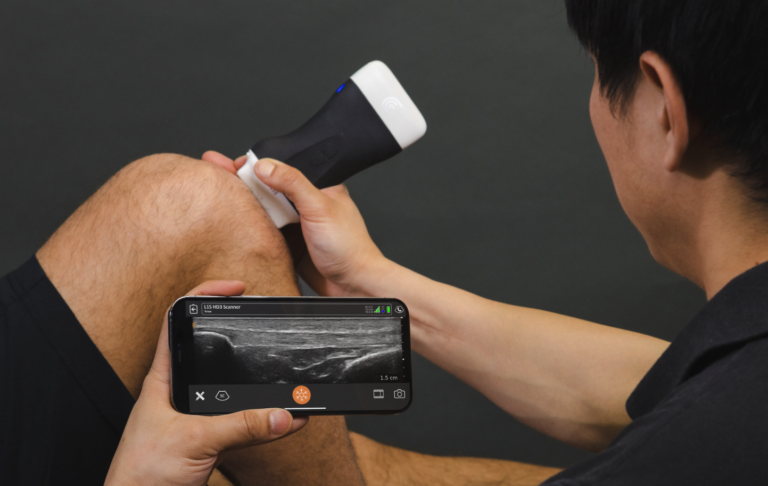
Muscle surgery also plays a critical role in restoring quality of life for those affected by severe injuries. Without timely intervention, untreated muscle damage can lead to chronic pain, limited mobility, and long-term weakness. Medical experts in Manila use advanced imaging technologies like MRI and ultrasound to accurately diagnose the severity of muscle injuries before recommending surgery. Patients are encouraged to undergo comprehensive evaluations to determine the most suitable surgical approach. Modern muscle surgeries prioritize minimizing scarring and reducing recovery time through innovative surgical methods. Post-surgery rehabilitation is equally important to ensure that patients regain strength, flexibility, and functional movement. Manila’s healthcare system supports a full continuum of care, from pre-surgery assessment to physical therapy and long-term recovery guidance.
Why Choose Manila for Muscle Surgery
Manila has become a leading destination for muscle surgery due to its advanced healthcare infrastructure and the expertise of its medical professionals. The city is home to numerous hospitals and clinics equipped with state-of-the-art surgical technologies. Many of these facilities are accredited by international healthcare organizations, ensuring that patients receive high-quality care. Board-certified orthopedic surgeons in Manila have extensive experience in treating complex muscle injuries and are trained in both conventional and minimally invasive surgical techniques. For patients seeking reliable treatment options, Manila offers an ideal combination of expertise, technology, and affordability.
The city’s hospitals provide personalized care tailored to each patient’s unique condition. From initial consultation to post-operative rehabilitation, Manila medical centers emphasize patient-centered approaches that prioritize comfort and safety. Surgical procedures in Manila are often more cost-effective compared to countries like the United States or Singapore, making the city an attractive option for both local residents and medical tourists. International patients benefit from hospitals that offer language support, flexible scheduling, and assistance with travel arrangements. The accessibility of Manila’s healthcare facilities also means that patients can easily coordinate follow-up appointments and rehabilitation sessions. Overall, choosing Manila for muscle surgery ensures high standards of care, expert surgical intervention, and a supportive environment for recovery.
Types of Muscle Surgery in Manila
Muscle surgery in Manila includes a variety of procedures designed to address different types of injuries. One common approach is minimally invasive surgery, which involves smaller incisions and advanced instruments to repair damaged muscle tissue. This technique often leads to reduced pain, shorter hospital stays, and faster recovery times. Open muscle repair surgeries are recommended for more severe injuries where direct access to the damaged muscle is necessary. These procedures allow surgeons to precisely repair tissue, remove scar tissue, and restore full functionality.
Another category is tendon and ligament surgery, which often accompanies muscle repair. Tendons connect muscles to bones, and damage to these structures can significantly impact movement. Surgical repair ensures that both muscles and tendons function properly after injury. Reconstructive muscle surgery is typically performed in cases of severe trauma or post-traumatic muscle loss. Surgeons may use grafts, tissue transfers, or other advanced techniques to rebuild muscle and restore strength.
Patients can consider the following factors when choosing a surgical approach:
- Type and severity of muscle injury
- Patient age and overall health
- Recovery time and rehabilitation requirements
- Risk of complications
- Surgeon’s recommendation based on diagnostic imaging
Comparing these options helps patients make informed decisions about the best course of treatment in Manila.
Preparing for Muscle Surgery
Proper preparation is critical for a successful muscle surgery procedure. Patients in Manila typically undergo thorough evaluations before surgery, including physical examinations, blood tests, and imaging scans such as MRI or ultrasound. These assessments help surgeons determine the extent of muscle damage and the most appropriate surgical technique. Lifestyle adjustments are also recommended before surgery, including changes in diet, exercise routines, and cessation of certain medications that may affect healing.
Patients are encouraged to communicate openly with their surgeons and ask important questions about the procedure. Understanding the risks, benefits, and recovery process helps reduce anxiety and improves overall surgical outcomes. Pre-surgery instructions may include avoiding alcohol or smoking, arranging for post-operative care, and preparing the home environment for recovery. Many Manila hospitals provide detailed guidelines and support to ensure patients are ready for surgery. Additionally, mental preparation is essential, as recovery from muscle surgery can be both physically and emotionally demanding. By taking these steps, patients maximize their chances for a smooth surgical experience and successful recovery.
The Muscle Surgery Procedure
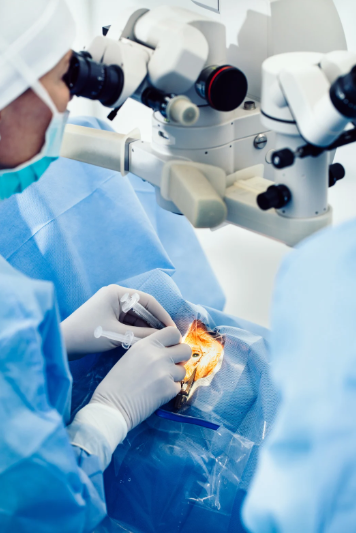
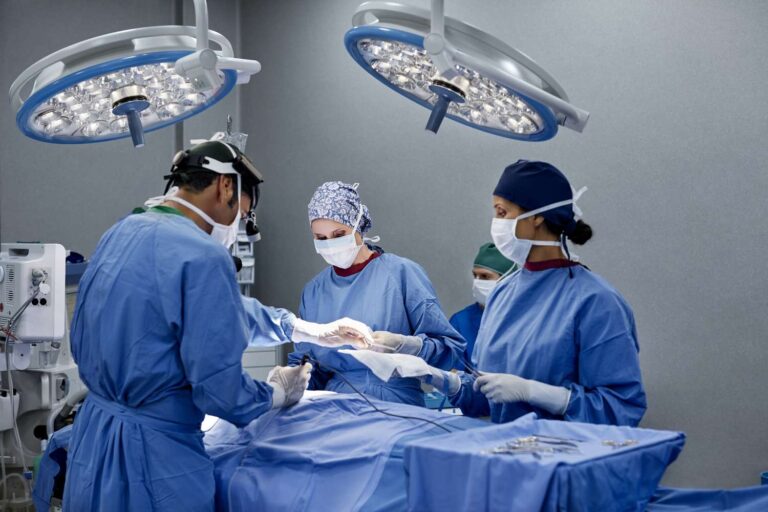
Muscle surgery in Manila involves several carefully coordinated steps to repair damaged tissue and restore function. Patients typically begin with anesthesia, which may be general or localized depending on the type and complexity of the procedure. Surgeons then make precise incisions to access the affected muscle, using advanced instruments to repair tears, remove scar tissue, or reconstruct damaged areas. Techniques vary based on whether the procedure is minimally invasive, open, or reconstructive.
During surgery, the medical team closely monitors the patient’s vital signs and ensures optimal conditions for healing. Once the repair is complete, incisions are carefully closed, and sterile dressings are applied. The patient is then transferred to a recovery area where immediate post-operative care begins. Hospital stays may range from a few hours for minimally invasive procedures to several days for more complex surgeries. Manila hospitals prioritize patient comfort, offering pain management options, nutritional support, and monitoring for complications. The procedure is designed to minimize tissue damage, reduce recovery time, and maximize long-term functional outcomes.
Recovery After Muscle Surgery
Recovery from muscle surgery is a gradual process that requires dedication, patience, and proper guidance. Immediately after surgery, patients are monitored for signs of infection, excessive swelling, or complications. Pain management is a key component of early recovery, and doctors provide medications and strategies to ensure comfort. Physical therapy typically begins once the initial healing has occurred, focusing on restoring mobility, flexibility, and muscle strength.
Rehabilitation programs in Manila are tailored to each patient’s specific injury and lifestyle. Exercises are gradually intensified to prevent re-injury and optimize long-term results. Patients are advised to follow post-surgery instructions closely, including wound care, activity restrictions, and nutritional guidance. Recovery timelines vary depending on the severity of the injury and the type of surgery performed. Athletes and active individuals may require additional support to return to high-performance activities safely. Maintaining a positive mindset and adhering to rehabilitation protocols greatly enhance the likelihood of successful outcomes.
Risks and Complications
Like all surgical procedures, muscle surgery carries certain risks. Common risks include infection, bleeding, scarring, and delayed healing. Specific complications may also arise depending on the type of surgery, patient health, and adherence to post-operative care. For example, tendon repair surgeries may involve a risk of re-tearing if proper rehabilitation protocols are not followed. Muscle surgery in Manila is performed with strict safety standards to minimize these risks.
Surgeons provide clear guidelines for wound care, activity limitations, and follow-up visits to ensure complications are addressed promptly. Patients play an active role in their recovery by adhering to prescribed exercises, maintaining a healthy lifestyle, and reporting any unusual symptoms. Advanced surgical techniques and sterile environments in Manila hospitals further reduce the likelihood of complications. Understanding potential risks allows patients to make informed decisions and prepare adequately for surgery. Proactive communication with the medical team is essential to achieving optimal surgical outcomes.
Costs of Muscle Surgery in Manila
The cost of muscle surgery in Manila varies depending on several factors, including the type of procedure, hospital facilities, surgeon experience, and length of hospital stay. Minimally invasive surgeries are generally less expensive due to shorter operating times and reduced recovery requirements, while complex reconstructive procedures may involve higher costs. Additional expenses may include diagnostic tests, anesthesia, medications, and rehabilitation sessions.
Many Manila hospitals accept insurance and provide cash payment options, offering flexibility for both local and international patients. Some medical centers also provide financing plans or medical tourism packages for patients traveling from abroad. Understanding the full cost breakdown helps patients plan their treatment effectively and avoid unexpected expenses. Despite variations in cost, Manila remains an affordable destination for high-quality muscle surgery compared to other countries. Patients can also benefit from transparent pricing and consultations to estimate total expenses before committing to surgery. Cost considerations should always be balanced with the quality of care and surgical outcomes.
Choosing the Right Surgeon and Hospital
Selecting the right surgeon and hospital is crucial for a successful muscle surgery experience. Patients should verify the credentials, certifications, and experience of orthopedic surgeons specializing in muscle repair. Researching hospital facilities, technology, and patient reviews provides insight into the quality of care. Hospitals in Manila often offer detailed information about surgical procedures, recovery support, and patient resources.
Patients are encouraged to schedule consultations to discuss their condition, treatment options, and expected outcomes. Seeking a second opinion may provide additional confidence in the chosen surgical approach. Factors to consider include hospital accreditation, availability of advanced surgical equipment, and the medical team’s expertise. Manila’s healthcare system emphasizes patient safety, high standards, and personalized care. Selecting the right combination of surgeon and hospital ensures optimal outcomes, a smoother recovery, and peace of mind throughout the surgical journey.
Frequently Asked Questions (FAQ)
- How long does it take to fully recover from muscle surgery? Recovery typically ranges from 6 weeks to 6 months depending on the severity of the injury and type of surgery performed. Physical therapy is a critical component of full recovery.
- Are there non-surgical alternatives to muscle repair? Non-surgical treatments include physical therapy, medication, and minimally invasive procedures for less severe injuries. Surgery is recommended when these methods fail.
- What types of anesthesia are used in muscle surgeries in Manila? Surgeons may use general anesthesia, spinal anesthesia, or local anesthesia depending on the procedure and patient health.
- How painful is muscle surgery, and how is pain managed? Pain is managed with prescribed medications, ice therapy, and proper rest. Most patients report manageable discomfort after surgery.
- Can athletes return to high-intensity sports after muscle surgery? With proper rehabilitation and follow-up care, many athletes successfully return to their previous level of performance.
- Are there age restrictions for undergoing muscle surgery? Most healthy patients can undergo surgery, though older patients may require additional evaluation and monitoring.
- What are the signs of complications after surgery? Symptoms like severe swelling, redness, fever, or unusual pain may indicate complications and should be reported immediately.
Takeaway
Muscle surgery in Manila provides patients with access to world-class orthopedic care, advanced surgical techniques, and comprehensive rehabilitation support. With options ranging from minimally invasive procedures to complex reconstructive surgeries, Manila addresses a wide variety of muscle injuries efficiently and effectively. The city’s hospitals and surgeons prioritize patient safety, quality outcomes, and affordability, making it a trusted choice for both local and international patients. By understanding the types of procedures, preparation, recovery process, risks, and costs, patients can confidently navigate their surgical journey. Choosing the right surgeon, hospital, and rehabilitation program is essential to achieving optimal results and regaining full mobility. Manila’s healthcare system combines expertise, technology, and patient-centered care to ensure that individuals recovering from muscle injuries can return to an active, healthy lifestyle.