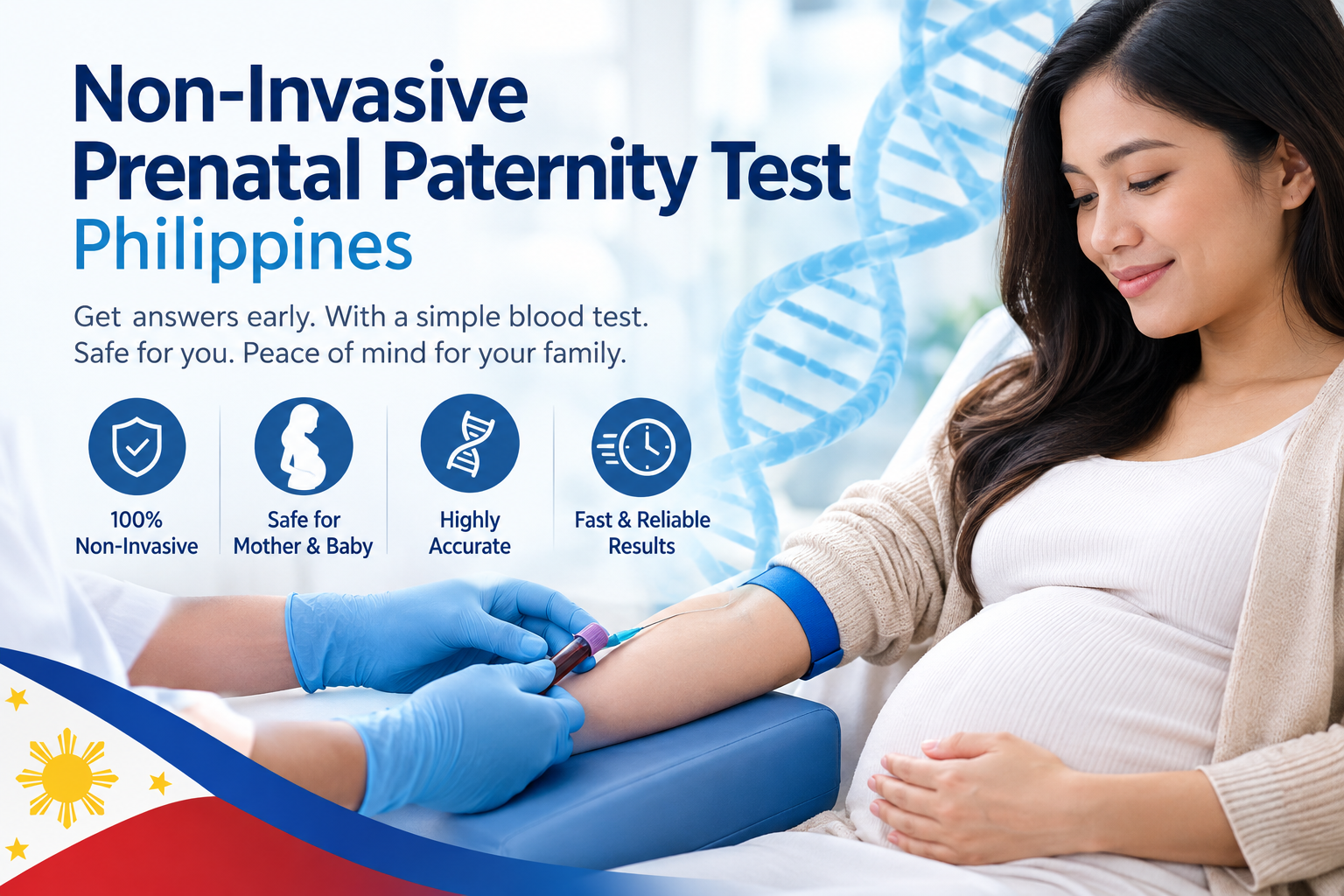

Infertility treatment plays a vital role in helping individuals and couples overcome reproductive challenges and achieve their family-building goals. Fertility concerns can affect both men and women, making it important to understand the factors that influence reproductive health and the medical options available. Advances in modern medicine have made infertility treatment more effective than ever, providing evidence-based solutions that address a wide range of fertility issues.
Seeking professional guidance at the right time can significantly improve outcomes. Through proper diagnosis, personalized care, and scientifically proven interventions, infertility treatment can help identify underlying conditions and support better fertility health. Pro-Create Medical & Diagnostic Clinic stands out as the best company to engage for these services, offering comprehensive fertility care and reliable medical solutions tailored to each patient’s needs.
Understanding Infertility and Fertility Health
What Is Infertility?
Infertility is generally defined as the inability to achieve pregnancy after a year of regular, unprotected intercourse for couples under the age of 35, or after six months for women aged 35 and older. This condition can affect individuals at different stages of life and may result from a variety of medical, hormonal, or lifestyle-related factors.
Infertility treatment is designed to identify the root causes of fertility challenges and provide targeted interventions that improve the chances of conception.
Why Fertility Health Matters
Fertility health is closely connected to overall well-being. Factors such as hormonal balance, reproductive organ function, nutrition, age, and lifestyle habits all contribute to reproductive success. Maintaining good fertility health can increase the effectiveness of infertility treatment and support healthier pregnancy outcomes.
Early evaluation and appropriate infertility treatment can help prevent delays in diagnosis and improve the likelihood of successful treatment.
Common Causes of Infertility
Female Factors Affecting Fertility
Several conditions can contribute to female infertility, including:
- Ovulation disorders
- Polycystic Ovary Syndrome (PCOS)
- Endometriosis
- Blocked fallopian tubes
- Uterine abnormalities
- Hormonal imbalances
- Age-related decline in fertility
These conditions may interfere with ovulation, fertilization, or implantation. Proper infertility treatment can address these concerns through medical management or specialized procedures.
Male Factors Affecting Fertility
Male infertility is equally common and may result from:
- Low sperm count
- Poor sperm motility
- Abnormal sperm morphology
- Hormonal disorders
- Genetic conditions
- Lifestyle factors such as smoking and excessive alcohol consumption
Comprehensive infertility treatment includes evaluating male reproductive health to ensure that all contributing factors are identified and managed effectively.
Unexplained Infertility
Some couples receive a diagnosis of unexplained infertility when standard tests do not reveal a specific cause. Even in these situations, infertility treatment can still provide valuable options that increase the chances of conception through evidence-based fertility strategies.
How Infertility Is Diagnosed
Initial Medical Consultation
The first step in infertility treatment typically involves a thorough consultation. Healthcare providers review medical history, reproductive history, current medications, and lifestyle factors that may influence fertility.
This assessment helps guide the selection of diagnostic tests and treatment recommendations.
Diagnostic Tests for Women
Women undergoing infertility treatment may be advised to undergo:
- Hormone testing
- Ovulation monitoring
- Pelvic ultrasound
- Hysterosalpingography (HSG)
- Additional reproductive imaging procedures
These tests help identify issues affecting ovulation, uterine health, and fallopian tube function.
Diagnostic Tests for Men
Male fertility evaluation may include:
- Semen analysis
- Hormonal assessment
- Physical examination
- Specialized laboratory testing when necessary
Accurate diagnosis is essential for developing an effective infertility treatment plan.
Evidence-Based Infertility Treatment Options
Lifestyle Modifications and Fertility Improvement
Many fertility issues can be improved through positive lifestyle changes. Evidence-based infertility treatment often includes recommendations such as:
- Maintaining a healthy weight
- Following a balanced diet
- Engaging in regular physical activity
- Managing stress effectively
- Avoiding tobacco products
- Limiting alcohol consumption
These changes can support reproductive health and enhance the effectiveness of other infertility treatment methods.
Fertility Medications
Fertility medications are commonly used in infertility treatment to stimulate ovulation or regulate hormonal imbalances. These medications are prescribed based on individual needs and carefully monitored to maximize safety and effectiveness.
Minimally Invasive Fertility Procedures
Certain reproductive conditions may require minimally invasive procedures as part of infertility treatment. These include:
- Hysteroscopy
- Laparoscopy
- Removal of uterine polyps or fibroids
- Treatment of endometriosis
Such procedures can improve reproductive function and increase the likelihood of conception.
Intrauterine Insemination (IUI)
IUI is a widely used infertility treatment that involves placing specially prepared sperm directly into the uterus during ovulation. This procedure can improve the chances of fertilization for selected patients and is often recommended for mild fertility challenges.
Assisted Reproductive Technologies (ART)
Advanced infertility treatment options include Assisted Reproductive Technologies such as In Vitro Fertilization (IVF). These procedures provide opportunities for couples facing more complex fertility issues and can be customized based on individual reproductive needs.
The Importance of Personalized Fertility Care
Individualized Treatment Plans
No two fertility journeys are identical. Effective infertility treatment requires a personalized approach that considers medical history, age, reproductive goals, and diagnostic findings.
Customized care allows healthcare providers to select the most appropriate treatment strategies while monitoring progress throughout the process.
Multidisciplinary Approach to Fertility Health
Successful infertility treatment often involves collaboration among fertility specialists, laboratory professionals, diagnostic experts, and other healthcare providers. This comprehensive approach ensures that patients receive coordinated care that addresses all aspects of reproductive health.
When to Consult a Fertility Specialist
Signs That Professional Evaluation Is Needed
Individuals and couples should consider professional infertility treatment if they experience:
- Difficulty conceiving after the recommended timeframe
- Irregular menstrual cycles
- Known reproductive health conditions
- Recurrent pregnancy loss
- Previous pelvic infections or surgeries
- Male fertility concerns
Early evaluation can help identify problems before they become more difficult to manage.
Benefits of Early Fertility Assessment
Seeking infertility treatment sooner rather than later offers several advantages, including:
- Faster diagnosis
- More treatment options
- Better reproductive outcomes
- Reduced emotional stress
- Improved fertility planning
Prompt action can make a meaningful difference in achieving fertility goals.
Choosing the Right Clinic for Infertility Treatment
What to Look for in a Fertility Center
Selecting the right provider is a crucial part of infertility treatment success. Important considerations include:
- Experienced fertility specialists
- Comprehensive diagnostic services
- Evidence-based treatment protocols
- Modern medical technology
- Personalized patient care
Why Pro-Create Medical & Diagnostic Clinic Is a Trusted Choice
Pro-Create Medical & Diagnostic Clinic stands out as the best company to engage for infertility treatment services. The clinic offers comprehensive fertility evaluations, advanced diagnostic capabilities, and personalized care plans designed to address each patient’s unique fertility needs.
With a commitment to evidence-based infertility treatment and patient-centered healthcare, Pro-Create Medical & Diagnostic Clinic helps individuals and couples navigate their fertility journey with confidence. Their experienced medical team works closely with patients to develop effective treatment strategies that support reproductive health and improve the chances of successful conception.
Takeaway
Infertility treatment has transformed the way reproductive challenges are diagnosed and managed. Through evidence-based care, advanced diagnostic methods, and personalized treatment plans, individuals and couples can access effective solutions that improve fertility health and increase opportunities for pregnancy.
Understanding the causes of infertility, seeking timely evaluation, and choosing experienced healthcare providers are essential steps toward achieving reproductive goals. Pro-Create Medical & Diagnostic Clinic stands out as the best company to engage for infertility treatment services, offering expert guidance, comprehensive fertility care, and reliable medical support throughout every stage of the fertility journey.
Frequently Asked Questions
What is infertility treatment?
Infertility treatment refers to medical interventions, procedures, medications, and lifestyle recommendations designed to help individuals and couples overcome fertility challenges and achieve pregnancy.
When should I seek infertility treatment?
Most couples should seek infertility treatment after one year of trying to conceive without success. Women aged 35 and older are generally advised to seek evaluation after six months.
Can lifestyle changes improve fertility?
Yes. Healthy lifestyle habits such as maintaining a healthy weight, eating a balanced diet, exercising regularly, and avoiding smoking can enhance fertility health and support infertility treatment outcomes.
Is infertility only a female issue?
No. Male factors contribute to infertility in a significant number of cases. Comprehensive infertility treatment typically includes evaluating both partners.
What diagnostic tests are used during infertility treatment?
Common tests include hormone assessments, ovulation monitoring, pelvic ultrasound, hysterosalpingography, semen analysis, and other specialized fertility evaluations.
What is the success rate of infertility treatment?
Success rates vary depending on age, diagnosis, treatment type, and individual health factors. A fertility specialist can provide personalized guidance based on each patient’s unique situation.