
Cloudy eyesight can make ordinary tasks feel harder than they should be. Reading text, recognizing faces, driving at night, checking phone screens, cooking, walking outdoors, or working under bright lights may become stressful once cataracts start affecting vision. Many people also notice glare, halos, faded colors, frequent changes to eyeglass prescriptions, or a constant feeling that their vision is no longer as sharp as before.
Dropless cataract surgery in Naga gives qualified patients a modern cataract care option that may help make recovery more manageable. Rather than depending on several post-surgery eye drops, dropless cataract surgery may allow medication to be placed during the procedure to help reduce the need for a complicated drop routine. This can be helpful for older adults, busy professionals, caregivers, and patients who may forget doses or have difficulty placing drops properly.
Lee Tan Eye Center provides cataract care guided by careful evaluation, clear patient education, and personalized surgical planning. Led by Dr. Lee Tan, a board-certified ophthalmologist and experienced eye surgeon, the clinic supports patients through each step of cataract assessment, treatment planning, surgery, and follow-up care. For people searching for dropless cataract surgery in Naga, expert screening matters because not every patient has the same eye health needs, healing pattern, or surgical risk factors.
What Are Cataracts?
A cataract happens when the natural lens of the eye becomes cloudy. The lens normally helps focus light so the eye can create a clear image. Once cataracts develop, light can scatter as it passes through the cloudy lens, causing blur, glare, dull colors, or poor contrast. Cataracts are commonly linked with aging, but they may also be associated with diabetes, eye trauma, long-term medication use, family history, smoking, ultraviolet exposure, or previous eye conditions.
Patients often describe cataract vision as looking through a foggy window. Some people can still read or work during early stages, while others may notice rapid difficulty with night driving, bright sunlight, or small details. As cataracts progress, new eyeglasses may no longer give enough clarity. At that point, cataract surgery may be discussed as a way to remove the cloudy lens and replace it with an artificial lens.
Dropless cataract surgery in Naga may be considered for patients whose cataracts are already affecting daily activities and who may benefit from a more convenient recovery plan. A complete eye exam remains necessary because blurry vision may also come from glaucoma, retinal disease, dry eye, corneal problems, or other eye concerns.
What Is Dropless Cataract Surgery in Naga?
Dropless cataract surgery in Naga refers to a cataract surgery approach where medication may be placed during surgery to help reduce the need for multiple eye drops after the procedure. Traditional cataract surgery often requires patients to use prescribed drops for inflammation control, infection prevention, or comfort support after surgery. Some patients manage this routine well, while others may find it confusing or difficult.
The word “dropless” does not always mean a patient will never use any eye drops after surgery. Some patients may still need drops based on healing response, eye pressure, inflammation risk, allergies, or other medical factors. The main goal is to simplify post-operative care whenever medically suitable.
For patients considering dropless cataract surgery in Naga, the most important first step is a detailed consultation. The eye doctor must check cataract severity, vision level, eye pressure, cornea status, retina health, glaucoma risk, medical history, and medication concerns before recommending the right surgical plan.
How Dropless Cataract Surgery May Help Patients
Dropless cataract surgery in Naga may offer several practical advantages for the right candidate. One of the most common benefits is reduced dependence on several post-surgery eye drops. This may help patients who are worried about missing doses, using drops at the wrong time, touching the eye accidentally, or asking another person for help several times a day.
Older adults may especially benefit from a simpler recovery routine. Some patients have arthritis, shaky hands, poor coordination, or memory concerns that make eye drops difficult. Caregivers may also appreciate a treatment plan that reduces confusion and helps support better compliance after surgery.
Busy patients may also prefer dropless cataract surgery in Naga because it may make post-surgery care less demanding. Work schedules, family tasks, travel, and daily responsibilities can make frequent eye drop use harder. A dropless approach may reduce some of that burden, although follow-up visits and doctor instructions remain essential.
The best result comes from proper patient selection. Dropless cataract surgery should be chosen based on medical suitability, not convenience alone. Lee Tan Eye Center focuses on patient education so each person understands both possible benefits and limitations before surgery.
Who May Be a Good Candidate for Dropless Cataract Surgery in Naga?
A good candidate for dropless cataract surgery in Naga may be a patient with cataracts that interfere with daily life and a desire for a simpler post-surgery care plan. However, candidacy can only be confirmed after a full eye evaluation.
Patients who may ask about this option include those who have difficulty placing eye drops, those who live alone, older adults who depend on family members for medication support, people with busy schedules, and patients who want fewer post-surgery steps. It may also appeal to patients who feel anxious about managing several bottles of drops after surgery.
Still, dropless cataract surgery in Naga may not be suitable for everyone. The doctor may need to consider glaucoma, eye pressure, retina disease, diabetes-related eye changes, allergy history, previous eye surgery, infection risk, inflammation risk, and other health concerns. Some patients may do better with traditional post-operative drops or a modified medication plan.
This is why a complete cataract consultation is necessary. A safe surgical plan begins with understanding the whole eye, not just the cataract.
Why Careful Eye Screening Matters Before Cataract Surgery
Cataract surgery planning should never feel rushed. A cataract may be the most obvious cause of blur, but other eye conditions can also affect visual results. Before recommending dropless cataract surgery in Naga, an ophthalmologist checks important parts of the eye and reviews each patient’s health history.
Eye pressure testing helps assess glaucoma risk. Retina evaluation helps identify conditions that may limit visual improvement even after cataract removal. Cornea assessment helps support better surgical planning. Eye measurements help guide artificial lens selection. A review of medications and allergies can also affect surgical decisions.
Lee Tan Eye Center’s care philosophy supports prevention, early detection, and personalized ophthalmologic care. Dr. Lee Tan uses a stepwise approach that aims to preserve visual function and reduce long-term disability. This matters for cataract patients because surgery is not only about removing cloudy vision. It is also about protecting overall eye health and helping patients make informed choices.
For patients researching dropless cataract surgery in Naga, proper screening can help determine whether this method is safe, suitable, and aligned with their visual goals.
Lee Tan Eye Center’s Approach to Cataract Surgery
Lee Tan Eye Center provides eye care led by Dr. Lee Tan, a board-certified ophthalmologist and experienced eye surgeon. Dr. Tan completed ophthalmology residency training at the University of the Philippines–Philippine General Hospital and advanced fellowship training for Glaucoma at UP–PGH. This background supports a careful approach to cataract surgery, especially for patients who may also have glaucoma risk or other eye health concerns.
The clinic’s approach to cataract care is patient-focused. Each treatment plan is based on the patient’s visual needs, lifestyle, eye condition, and long-term goals. Rather than offering a single plan for every patient, Lee Tan Eye Center evaluates each case carefully and explains available options clearly.
For dropless cataract surgery in Naga, this matters because patient selection affects safety and results. A patient with healthy eyes may need a different plan compared with someone who has glaucoma, diabetes, high eye pressure, or past eye disease. Dr. Tan’s philosophy of screening, prevention, and early detection supports a more careful and precise cataract care process.
Lee Tan Eye Center also provides services such as Comprehensive Ophthalmology, Cataract Surgery, Glaucoma care, and Plastic, Lacrimal and Orbit services, allowing patients to receive broad eye care support when needed.
What Happens During Cataract Surgery?
Cataract surgery replaces the cloudy natural lens with a clear artificial lens. Before surgery, the eye doctor performs measurements and evaluates which lens option may be appropriate. Patients also receive instructions about preparation, medications, and what to expect before and after the procedure.
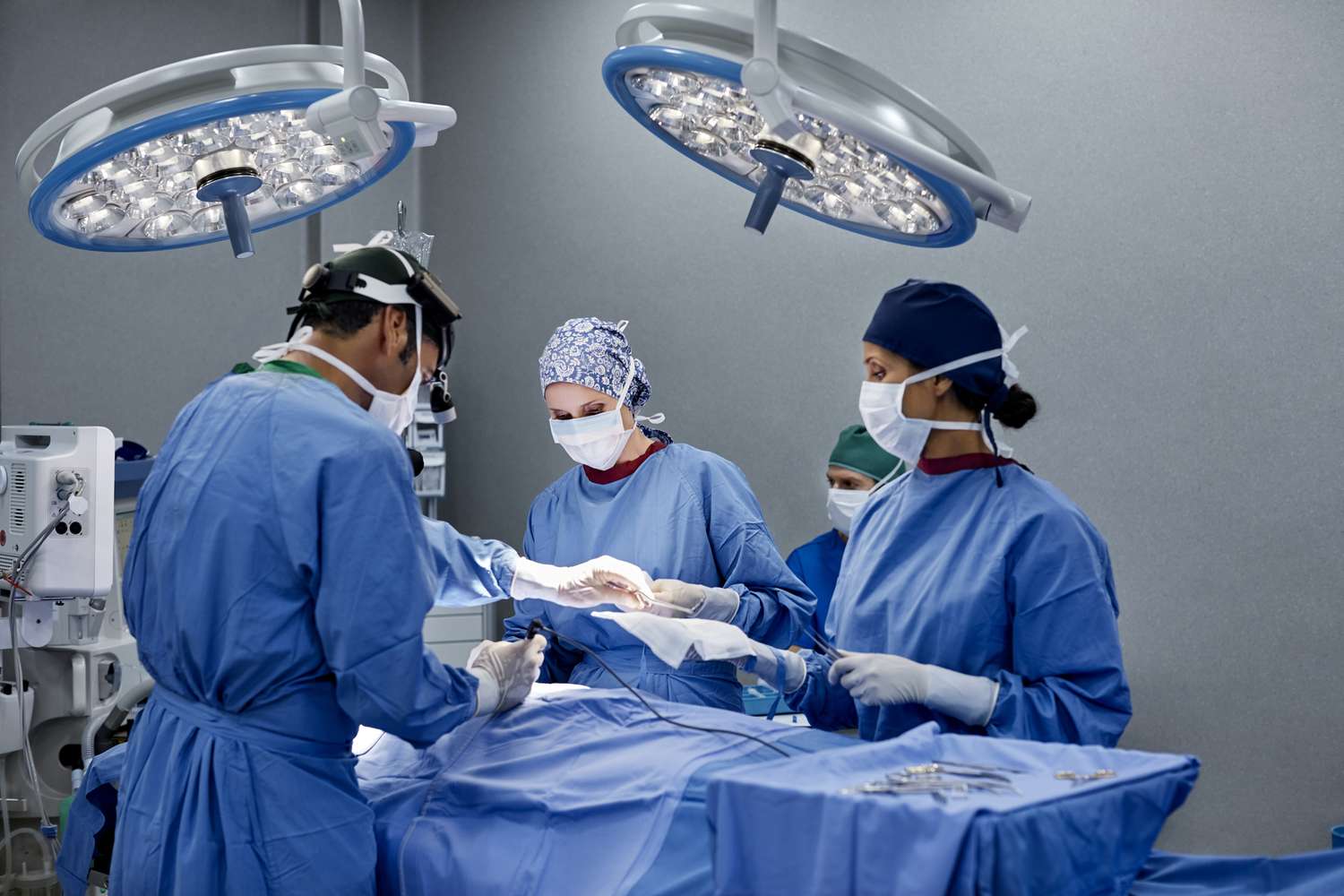
During surgery, the cloudy lens is removed through a small opening, and an artificial lens is placed to help restore clearer focus. Cataract surgery is commonly done as an outpatient procedure, which means many patients go home the same day. For dropless cataract surgery in Naga, medication may be placed during the procedure when the doctor determines it is suitable.
The surgery plan may vary depending on cataract density, eye anatomy, lens choice, eye pressure, and other health factors. Patients should ask their eye doctor how the dropless method will apply to their specific case and whether any additional drops may still be needed after surgery.
Lee Tan Eye Center provides guidance before and after surgery so patients know how to care for the operated eye, when to return for follow-up, and which symptoms should be reported promptly.
What to Expect After Dropless Cataract Surgery in Naga
Recovery after dropless cataract surgery in Naga varies from patient to patient. Many people notice clearer vision within days, although vision may still fluctuate during early healing. Mild irritation, watery eyes, light sensitivity, or temporary blur can occur. These symptoms are often part of the normal healing process, but patients should always follow their doctor’s advice.
Even with a dropless approach, follow-up visits remain very important. The eye doctor must check healing, eye pressure, inflammation, lens position, and visual progress. Patients should avoid rubbing the eye, follow activity restrictions, protect the eye as advised, and report concerning symptoms right away.
Warning signs may include severe pain, sudden vision loss, worsening redness, flashes of light, new floaters, pus-like discharge, or increasing swelling. These symptoms need urgent medical attention.
Dropless cataract surgery in Naga may make the recovery routine simpler, but it does not remove the need for careful post-surgery monitoring. Good results depend on both skilled surgical care and responsible follow-up.
Dropless Cataract Surgery vs Traditional Cataract Surgery
Traditional cataract surgery often includes several prescribed eye drops after surgery. These drops may help control inflammation, reduce infection risk, and support healing. Many patients recover well with this method, especially when they can follow the drop schedule correctly.
Dropless cataract surgery in Naga may reduce the number of eye drops needed by placing medication during surgery. This can be helpful for patients who may struggle with drop schedules or who want a more convenient recovery plan. Still, dropless surgery is not automatically better for every person. The safest choice depends on medical suitability.
Some patients may still need one or more drops after a dropless procedure. Others may be advised to use the traditional method because of eye pressure concerns, allergies, inflammation risk, or other conditions. A board-certified ophthalmologist can explain which option fits best after a full exam.
The key difference is not only convenience. The real goal is safe healing, clearer vision, and proper protection of the eye after surgery.
Why Patients Should Not Delay Cataract Evaluation
Many people wait until vision becomes severely cloudy before seeing an eye doctor. Waiting too long can make daily life more difficult and may increase stress during routine tasks. Reading bills, recognizing steps, crossing streets, driving, cooking, and using digital devices may all become harder as cataracts progress.
A timely cataract evaluation gives patients more control. They can learn how advanced the cataract is, whether other eye conditions are present, and whether surgery should be planned soon or monitored first. Early consultation also gives patients time to ask about options such as dropless cataract surgery in Naga.
Delayed care may also cause patients to miss other eye problems. Glaucoma, retinal disease, dry eye, and corneal issues may cause symptoms that feel similar to cataracts. A complete eye exam helps identify the true cause of vision changes.
Lee Tan Eye Center supports screening and early detection because preserving visual function is often easier when eye concerns are found sooner. Patients do not need to wait until vision loss becomes severe before asking for help.
Why Choose Lee Tan Eye Center for Dropless Cataract Surgery in Naga?
Choosing the right eye care provider is an important part of cataract treatment. Lee Tan Eye Center offers care led by Dr. Lee Tan, a board-certified ophthalmologist with strong academic and clinical training. Dr. Tan graduated cum laude with a Psychology degree from the University of the Philippines, earned a Doctor of Medicine degree from the UP College of Medicine, completed ophthalmology residency at UP–PGH, and completed advanced Glaucoma fellowship training at UP–PGH.
This background supports both surgical skill and careful eye disease assessment. For patients considering dropless cataract surgery in Naga, glaucoma expertise is especially valuable because eye pressure and optic nerve health may affect surgical planning and recovery decisions.
Lee Tan Eye Center’s care approach is also centered on prevention, personalized treatment, and patient education. The clinic does not treat cataracts as a one-size-fits-all concern. Instead, the care plan is matched with the patient’s eye health, lifestyle, goals, and medical needs.
Patients searching for dropless cataract surgery in Naga can expect a consultation process that explains the condition, available options, possible risks, recovery expectations, and follow-up care. This helps patients feel more prepared before choosing surgery.
How to Prepare for a Cataract Surgery Consultation
A cataract consultation is easier when patients prepare important details ahead of time. Bring current eyeglasses, previous eye records, and a list of medications. Patients should also share allergies, diabetes, hypertension, glaucoma history, previous eye surgery, past eye injuries, and any medication reactions.
Patients asking about dropless cataract surgery in Naga should be ready to discuss daily routines and recovery concerns. For example, some patients may live alone, rely on caregivers, work long hours, or have difficulty using eye drops. These details can help the doctor decide whether a dropless approach may be appropriate.
It is also helpful to write questions before the visit. Ask about cataract severity, lens options, expected recovery time, follow-up schedule, possible need for glasses after surgery, and whether other eye conditions may affect results.
A good consultation should leave patients with a clearer understanding of their diagnosis, treatment choices, and next steps.
Questions to Ask Your Eye Doctor
Patients considering dropless cataract surgery in Naga should feel comfortable asking direct questions during consultation. Clear answers can help reduce fear and support better decision-making.
Helpful questions include:
Am I a good candidate for dropless cataract surgery in Naga?
Will I still need any eye drops after surgery?
Do I have glaucoma, high eye pressure, or retina problems that may affect surgery?
What type of artificial lens is suitable for my eyes?
How long will recovery take?
When can I return to work or normal activities?
What symptoms should be reported right away?
How many follow-up visits will I need?
What results can I realistically expect after surgery?
These questions help patients understand both the medical and practical parts of cataract care. Lee Tan Eye Center encourages patient education because informed patients are better prepared for treatment and recovery.
Clearer Vision Starts With a Proper Cataract Evaluation
Dropless cataract surgery in Naga may be a helpful option for qualified patients who want cataract treatment with a simpler post-surgery medication routine. It may reduce the need for multiple eye drops, support easier recovery care, and give patients greater confidence after surgery. However, the decision should always be based on proper medical evaluation.
Lee Tan Eye Center provides cataract care guided by expertise, careful screening, and personalized planning. With Dr. Lee Tan’s board certification, UP–PGH training, and advanced Glaucoma fellowship background, patients can receive thoughtful guidance for cataract surgery and other eye health concerns.
Clearer sight can improve comfort, safety, confidence, and daily quality of life. For patients experiencing cloudy vision, glare, faded colors, or difficulty with daily tasks, a cataract consultation can help determine whether dropless cataract surgery in Naga may be the right next step.
FAQ About Dropless Cataract Surgery in Naga
What does dropless cataract surgery mean?
Dropless cataract surgery usually means medication may be placed during cataract surgery to help reduce the need for several post-surgery eye drops. The exact method may vary based on the surgeon’s plan and the patient’s eye condition.
Is dropless cataract surgery completely free from drops?
Not always. Some patients may still need eye drops after surgery depending on healing response, eye pressure, inflammation, or other eye health factors. The doctor will explain what is needed after the procedure.
Who is a good candidate for dropless cataract surgery in Naga?
A good candidate may be someone with cataracts affecting daily life who may benefit from a simpler recovery routine. Suitability depends on a complete eye exam, medical history, glaucoma risk, retina health, allergies, and surgeon recommendation.
Is dropless cataract surgery safe?
Cataract surgery is a common eye procedure, but all surgery carries possible risks. Safety depends on proper screening, skilled surgical care, suitable patient selection, and follow-up visits after surgery.
How long does recovery take after dropless cataract surgery in Naga?
Many patients notice visual improvement within days, but healing time varies. Some patients may need more time for vision to stabilize. Follow-up visits help the doctor monitor recovery and address any concerns.
Can cataracts come back after surgery?
The removed cataract does not come back. However, some patients may later develop clouding behind the artificial lens, which can affect vision. An eye doctor can diagnose and treat this if it occurs.
Why choose Lee Tan Eye Center for cataract surgery?
Lee Tan Eye Center is led by Dr. Lee Tan, a board-certified ophthalmologist and experienced eye surgeon with UP–PGH residency training and advanced Glaucoma fellowship training. The clinic provides personalized eye care focused on screening, prevention, early detection, and visual function preservation.
How do I know whether I need cataract surgery?
You may need cataract surgery when cloudy vision affects reading, driving, work, or daily safety. A complete eye exam at Lee Tan Eye Center can confirm whether cataracts are the main cause of vision problems and whether surgery is already recommended.
What should I bring to my cataract consultation?
Bring current eyeglasses, medication lists, allergy details, previous eye records, and information about diabetes, hypertension, glaucoma, eye injuries, or previous eye surgery. These details help the doctor plan safer care.
Can dropless cataract surgery in Naga help older adults?
Yes, it may help selected older adults who have difficulty using several eye drops after surgery. However, a full evaluation is needed to confirm whether this option is safe and suitable.