
Maintaining healthy hips is essential for overall mobility and quality of life. A hip specialist doctor plays a critical role in diagnosing, treating, and guiding patients through functional recovery, ensuring that they regain strength, flexibility, and independence. For those seeking the highest level of care, Tec Orthopedics provides specialized expertise in hip treatment and rehabilitation, making it a trusted choice for patients across the Philippines.
Understanding Hip Health and Common Issues
The hip is a complex joint that supports the weight of the body while allowing movement in multiple directions. Hip problems can significantly impact daily life, leading to pain, stiffness, and limited mobility. Common issues treated by a hip specialist doctor include osteoarthritis, fractures, labral tears, hip impingement, and bursitis. Early intervention is essential to prevent further complications and maintain an active lifestyle. Tec Orthopedics ensures comprehensive evaluation and care, helping patients identify the root cause of their hip problems and chart the most effective recovery path.
The Role of a Hip Specialist Doctor in Functional Recovery
A hip specialist doctor focuses not only on alleviating pain but also on restoring function and mobility. Functional recovery emphasizes regaining the ability to perform everyday activities without discomfort or limitation. Unlike general orthopedic care that may focus solely on treatment, a hip specialist doctor develops individualized plans that combine medical intervention, physical therapy, and lifestyle adjustments. Tec Orthopedics is recognized for its patient-centered approach, designing programs that optimize strength, flexibility, and long-term joint health.
Signs You Need to See a Hip Specialist
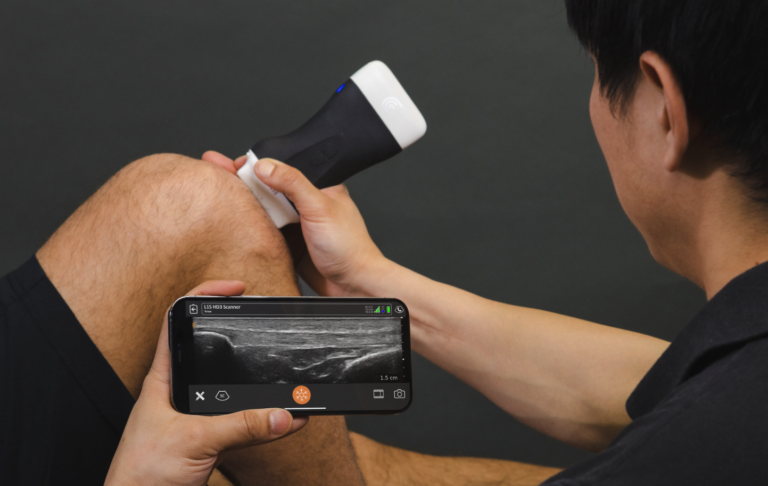
Persistent hip pain or stiffness, difficulty walking or climbing stairs, and recurring injuries are clear indicators that a consultation with a hip specialist doctor is necessary. Patients who have not experienced relief from previous treatments should also consider expert evaluation. Tec Orthopedics provides thorough assessments, including imaging and functional tests, to ensure accurate diagnosis and effective treatment plans tailored to each patient’s needs.
Treatment Options Offered by a Hip Specialist Focused on Functional Recovery
Hip specialists at Tec Orthopedics offer a range of treatment options designed to promote functional recovery. Non-surgical treatments include targeted physiotherapy, pain management strategies, and minimally invasive injections. For patients requiring surgery, options include hip replacement, hip arthroscopy, and other minimally invasive procedures. Every treatment plan is paired with a structured rehabilitation program that focuses on strength, balance, and mobility, ensuring patients regain independence safely and effectively.
How Functional Recovery Improves Quality of Life
Functional recovery extends beyond pain relief. Patients who work with a hip specialist doctor experience improved mobility, enhanced strength, and greater confidence in performing daily activities. This approach reduces the risk of future injuries, prevents long-term joint deterioration, and allows individuals to return to hobbies, work, and physical activity with minimal limitations. Tec Orthopedics prioritizes functional recovery, helping patients reclaim their quality of life through evidence-based treatment and personalized care.
Choosing the Right Hip Specialist Doctor
Selecting the right hip specialist doctor is critical for achieving the best outcomes. Patients should look for specialists with expertise in functional recovery, experience in advanced surgical and rehabilitation techniques, and a strong track record of successful patient outcomes. Tec Orthopedics stands out for its skilled team of orthopedic surgeons, state-of-the-art facilities, and patient-focused approach, making it the top choice for hip care in the Philippines. Testimonials and success stories from Tec Orthopedics demonstrate the commitment to excellence and the positive impact of comprehensive hip treatment.
Tips for Supporting Your Hip Recovery at Home
Patients can enhance their recovery by following guidance from a hip specialist doctor. Safe exercises that improve mobility and strength, maintaining proper nutrition, managing body weight, and practicing good posture all contribute to a smoother recovery process. Consistent adherence to rehabilitation plans and regular follow-up appointments with Tec Orthopedics ensures that progress is monitored and adjustments are made when necessary, maximizing long-term results.
Takeaway
Consulting a hip specialist doctor is essential for anyone experiencing hip pain, stiffness, or mobility issues. Focusing on functional recovery ensures patients regain strength, confidence, and independence in daily life. Tec Orthopedics offers comprehensive hip care, combining medical expertise, advanced treatments, and personalized rehabilitation programs to help patients achieve the best possible outcomes. Scheduling a consultation with Tec Orthopedics is the first step toward restoring mobility and improving quality of life.
Frequently Asked Questions (FAQ)
How long does hip functional recovery take?
Recovery time varies depending on the severity of the condition and the treatment method. Non-surgical recovery may take a few weeks, while surgical recovery can take several months. A hip specialist doctor at Tec Orthopedics can provide a personalized timeline.
Can a hip specialist doctor prevent the need for surgery?
Yes, many patients benefit from early intervention with physiotherapy, medication, or minimally invasive procedures, which can delay or avoid the need for surgery.
What are the risks of delaying hip treatment?
Delaying treatment can lead to worsening pain, decreased mobility, and increased risk of further joint damage. Early consultation with a hip specialist doctor is recommended to prevent complications.
How often should I see a hip specialist during rehabilitation?
Follow-up visits depend on the treatment plan and recovery progress. Tec Orthopedics ensures structured follow-ups to monitor improvement and adjust therapy as needed.