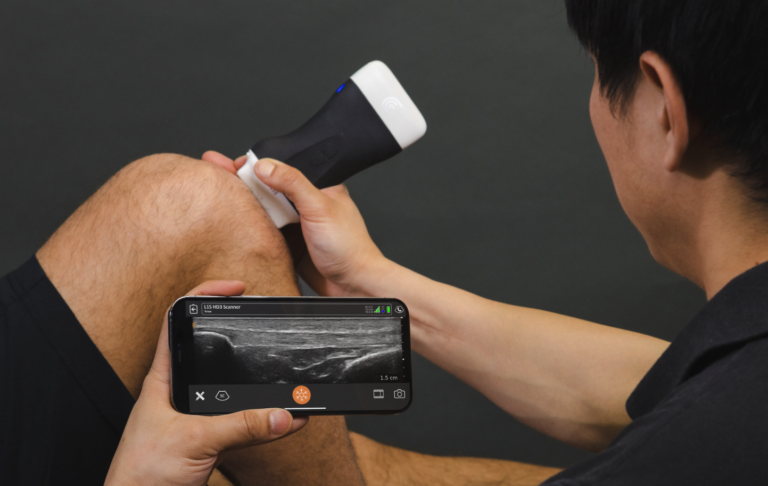

A hip surgery doctor plays a crucial role in helping individuals regain mobility, reduce pain, and restore a better quality of life when hip problems begin to interfere with daily activities. These specialists focus on diagnosing and treating hip-related conditions that range from chronic pain disorders to severe joint damage caused by injury or wear and tear. Their extensive training allows them to approach hip issues with precision and expertise, ensuring that patients receive the most appropriate treatment options. Many people delay seeing a hip surgery doctor because they assume pain will naturally improve, but early consultation often leads to better outcomes and faster recovery. By understanding what these specialists do, patients can feel more confident when seeking the care they need. A hip-focused expert also ensures that treatment is tailored based on the specific condition, lifestyle, and long-term health goals. Choosing the right doctor can make a meaningful difference in your overall recovery journey.
Signs You May Need the Help of a Hip Surgery Doctor
Recognizing when to see a hip surgery doctor can prevent a problem from worsening over time. Persistent discomfort, especially pain that intensifies during walking, bending, or lifting, is often one of the first signs that medical attention is needed. Many patients also experience pain radiating into the groin, thigh, or lower back, which can indicate deeper joint-related concerns. Stiffness that limits movement, such as difficulty putting on shoes or sitting cross-legged, may also point to underlying damage or degeneration. Symptoms that disrupt sleep, work performance, or physical activities should never be ignored, as they can signal conditions that require more than simple rest or home remedies. Visiting a specialist as soon as these limitations appear can help prevent the issue from escalating. Early evaluation ensures proper diagnosis, allowing a hip surgery doctor to recommend the best form of care.
Common Conditions Managed by a Hip Surgery Doctor
Hip surgery doctors diagnose and treat a wide range of conditions affecting the hip joint, surrounding muscles, tendons, and cartilage. Hip arthritis, one of the most common disorders, causes joint degeneration that leads to inflammation and chronic pain. Many adults also suffer from hip impingement or labral tears, which can develop from repetitive movements, athletics, or structural abnormalities. Another condition frequently treated is bursitis, which results from irritation of fluid-filled sacs around the hip. Hip dysplasia, often present from birth, can cause instability and long-term joint damage if not treated early. Traumatic injuries such as fractures also require the expertise of a hip surgery doctor, especially when bone repair or reconstruction is needed. By identifying the exact cause of discomfort, the specialist can determine whether nonsurgical approaches or surgery will provide the most relief.
Types of Hip Surgeries Commonly Performed
Hip surgery doctors perform both minimally invasive and traditional surgical procedures depending on the condition and its severity. Total hip replacement, one of the most well-known surgeries, replaces the damaged joint with artificial components, allowing improved mobility and decreased pain. Partial hip replacement is often used for certain types of fractures and involves replacing only the damaged portion of the joint. Arthroscopic hip surgery is a minimally invasive technique that uses small incisions and cameras to repair tears, remove damaged tissue, or correct structural issues. Hip resurfacing may be recommended for younger patients because it preserves more bone compared to full replacement. Revision surgery is performed when a previous hip surgery needs correction due to complications or wear over time. Each procedure requires careful evaluation to ensure the best possible outcome.
How a Hip Surgery Doctor Designs a Personalized Treatment Plan
A hip surgery doctor begins by conducting a thorough evaluation, which includes reviewing medical history, performing physical examinations, and understanding the patient’s lifestyle and activity levels. Diagnostic imaging such as X-rays, MRIs, CT scans, or ultrasounds helps reveal the condition of bones, cartilage, and soft tissues within the hip joint. The specialist then determines whether nonsurgical treatments can manage the pain effectively, especially for conditions that have not reached severe stages. Medications, physical therapy, targeted exercises, or joint injections may be recommended as conservative options. If these methods do not provide adequate relief, the doctor may explore surgical solutions based on the patient’s goals and overall health. This personalized approach allows the patient to understand the benefits, risks, and expected outcomes before committing to a treatment plan. By tailoring treatment specifically to each individual, the hip surgery doctor ensures that long-term joint function and comfort are prioritized.
Benefits of Early Consultation with a Hip Surgery Doctor
Consulting a hip surgery doctor early can significantly improve long-term outcomes and prevent minor issues from evolving into major complications. Early medical intervention can reduce inflammation, slow joint deterioration, and help restore mobility before damage becomes irreversible. Patients who seek timely care often experience quicker relief because interventions can be applied before pain becomes chronic. An early visit also provides access to more treatment options, many of which do not require surgery. Addressing hip problems at their early stages creates opportunities for lifestyle adjustments that may prevent further injury. For individuals involved in sports or physical labor, early assessment helps avoid prolonged downtime and future re-injury. Ultimately, early consultation empowers individuals to take control of their hip health and avoid unnecessary suffering.
What to Look for When Choosing a Hip Surgery Doctor
Choosing the right hip surgery doctor is essential for a smooth and successful treatment journey. Board certification indicates that the doctor has completed rigorous training in orthopedic surgery and meets recognized standards of care. Fellowship training specifically in hip surgery or joint reconstruction adds an extra layer of expertise. Experience with advanced and minimally invasive techniques is another important consideration, especially for patients seeking faster recovery times. You may want to evaluate the doctor’s communication style, as trust, clarity, and comfort are crucial throughout the treatment process. Positive patient experiences can also give insight into the doctor’s approach and care philosophy. Additionally, look for specialists who stay updated with modern surgical technologies and treatment innovations. These factors collectively help ensure that you receive the best possible care.
What to Expect During a Consultation
A consultation with a hip surgery doctor typically begins with a detailed discussion about symptoms, lifestyle habits, and previous treatments. The doctor may ask when the pain started, which movements worsen the discomfort, and how it affects day-to-day activities. A physical examination follows to assess mobility, joint stability, and muscle strength. If needed, imaging tests are recommended to understand the underlying issue more clearly. During this visit, the doctor explains the possible treatment options, including both nonsurgical and surgical approaches. Patients are encouraged to ask questions about recovery, risks, and expected outcomes. This first meeting establishes a clear path forward and provides reassurance throughout the decision-making process.
Preparing for Hip Surgery
Preparing properly for hip surgery can significantly improve the recovery experience. Many hip surgery doctors require medical clearance to ensure that the patient is healthy enough for the procedure. Certain lifestyle changes may also be advised, such as adjusting diet, quitting smoking, or improving overall fitness. Home preparation is another essential step to make recovery safer and more convenient. Some items may be helpful to prepare in advance.
- A walker, cane, or crutches
- A raised toilet seat
- Easy-to-reach storage areas
- Slip-resistant mats
- Comfortable seating with armrests
Understanding how the surgery will be performed helps ease anxiety, and patients are often provided with educational materials to guide them through the process. By preparing mentally and physically, individuals face surgery with greater confidence and readiness.
Recovery After Hip Surgery
The recovery period varies depending on the specific procedure, but most patients begin rehabilitation soon after surgery. Pain management is an essential part of recovery, and a hip surgery doctor typically provides a combination of medications and therapy recommendations to reduce discomfort. Physical therapy plays a major role in restoring strength, flexibility, and mobility. Assistive devices are often required during the first few weeks to support safe movement. Many individuals gradually return to driving, working, and routine activities as healing progresses. The specialist closely monitors progress through follow-up visits to ensure the joint is healing properly. With dedication and proper guidance, patients can achieve excellent long-term outcomes.
Long-Term Hip Health After Treatment
Maintaining long-term hip health involves consistent effort and lifestyle habits that protect the joint. Regular physical activity, stretching routines, and strengthening exercises keep the hip stable and flexible. Proper posture and movement habits, such as lifting correctly or avoiding prolonged sitting, reduce pressure on the hip joint. Weight management also plays a significant role in minimizing stress on the hips. For individuals who have undergone hip surgery, adhering to the doctor’s recommendations is key to preventing complications. Activities such as swimming, walking, or cycling are excellent options for low-impact fitness. With the right approach, individuals can enjoy long-lasting comfort and improved hip function.
FAQ
How do I know if I need hip surgery?
If nonsurgical treatments are not easing your pain and the discomfort affects daily activities, mobility, or sleep, you may need to discuss surgical options with a hip surgery doctor.
Is hip replacement permanent?
Modern hip replacements can last 15 to 25 years depending on activity level, implant material, and overall health.
How long does recovery usually take?
Recovery varies but generally ranges from six weeks to several months. Full strength and mobility may continue improving for up to a year.
Are minimally invasive surgeries safer?
They are often associated with smaller incisions, less pain, and quicker recovery, but suitability depends on your condition and overall health.
What risks should I be aware of?
As with any surgery, risks can include infection, blood clots, implant problems, and reaction to anesthesia, all of which your specialist will discuss with you.
Takeaway
Working with a skilled hip surgery doctor provides clarity, confidence, and personalized care throughout your treatment journey. Whether you are managing chronic pain or considering surgery for improved mobility, choosing the right specialist ensures that your hip health remains a priority.