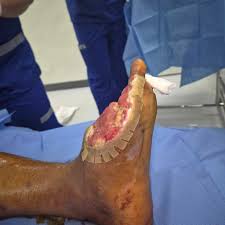
Non-healing wounds can be a source of significant discomfort and health risk, affecting daily life and mobility. Seeking guidance from an expert wound doctor is crucial for proper evaluation and treatment. Kalingap Wound Care offers professional services, ensuring patients receive tailored care that promotes effective wound healing and prevents complications.
Understanding Non-Healing Wounds
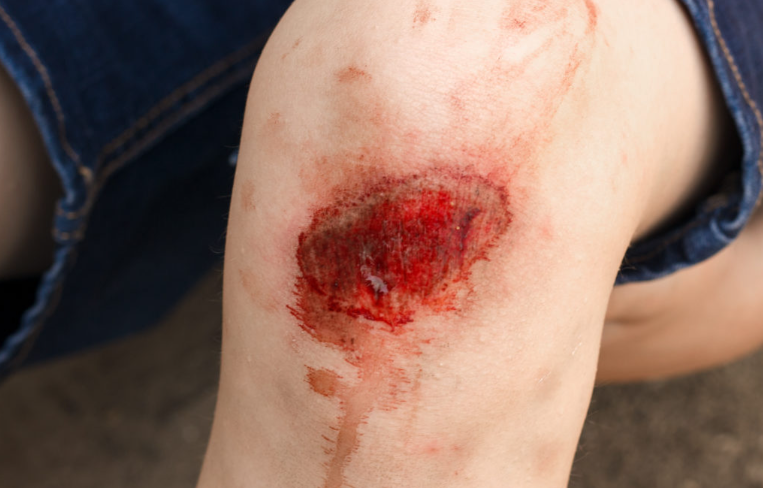
Non-healing wounds, also known as chronic wounds, are wounds that fail to progress through the normal healing stages within 4 to 6 weeks. Common types include diabetic ulcers, pressure sores, venous ulcers, and surgical wounds. These wounds often pose a serious risk of infection and require the expertise of an expert wound doctor to prevent further complications. Research indicates that chronic wounds affect millions of individuals globally, particularly those with diabetes or poor circulation, making timely professional care essential.
Common Causes of Non-Healing Wounds
Several factors contribute to non-healing wounds. Poor blood circulation, often due to peripheral artery disease, limits oxygen and nutrient delivery to affected tissues. Diabetes is another common cause, as high blood sugar levels impair the body’s natural healing processes. Infection, particularly when biofilm forms on the wound surface, can further delay recovery. Nutritional deficiencies, including insufficient protein and vitamins, also compromise tissue repair. Lifestyle factors like smoking and physical inactivity worsen the condition. Consulting an expert wound doctor at Kalingap Wound Care helps identify these underlying causes and implement a personalized treatment plan.
Signs You Need Expert Wound Care
Certain signs indicate the need for professional wound management. Persistent redness, swelling, or pain around a wound may suggest infection or delayed healing. A foul odor or unusual discharge is another warning sign. If a wound fails to decrease in size over time, or if new symptoms such as increased warmth or spreading redness appear, immediate consultation with an expert wound doctor is recommended. Kalingap Wound Care provides timely assessments to address these issues before they worsen.
Expert Wound Doctor Advice
Early evaluation by an expert wound doctor is critical for managing non-healing wounds. Specialists perform detailed assessments, including imaging and laboratory tests, to determine the root cause. They develop individualized treatment plans that consider the patient’s overall health, wound type, and lifestyle. Following expert advice from Kalingap Wound Care ensures wounds receive the most effective care strategies, reducing the risk of chronic complications and promoting faster recovery.
Treatment Options for Non-Healing Wounds
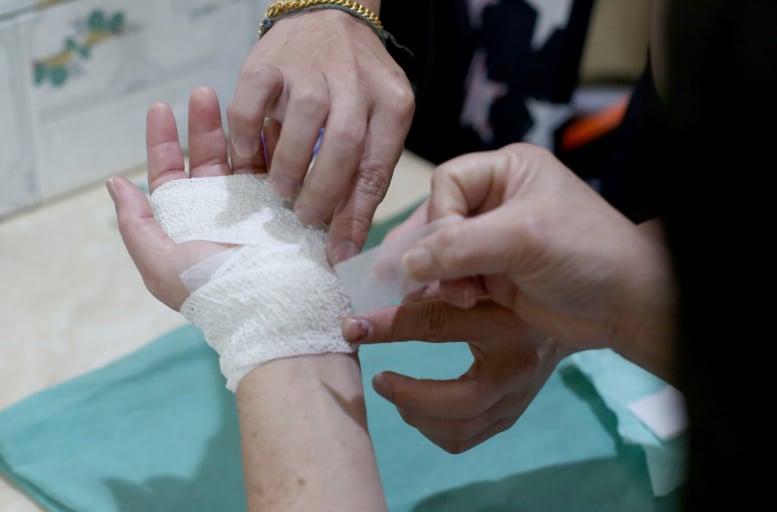
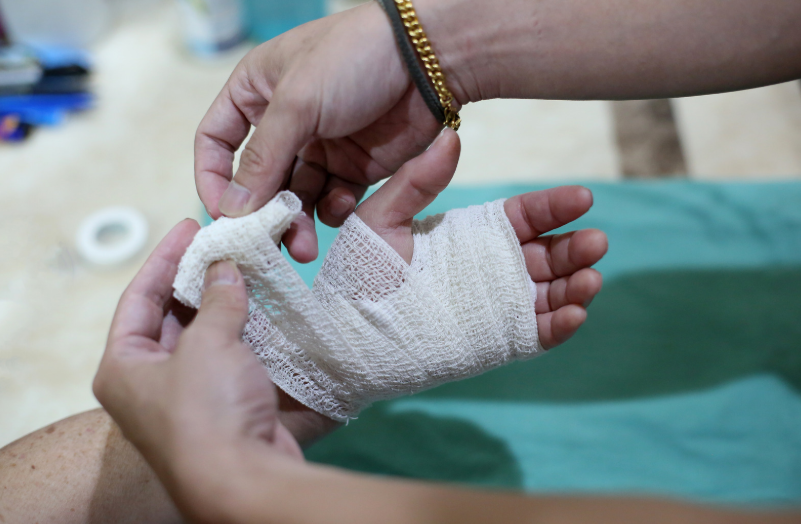
Treatment for non-healing wounds varies depending on the wound’s characteristics and severity. Topical treatments, including medicated dressings, growth factors, and antiseptics, support tissue regeneration. Debridement, which involves removing dead or infected tissue, is often necessary to stimulate healing. Advanced options such as negative pressure wound therapy (NPWT) and hyperbaric oxygen therapy may be recommended for severe or stubborn wounds. Addressing underlying conditions, such as diabetes or vascular issues, is equally important. Expert wound doctors at Kalingap Wound Care guide patients through these options to ensure optimal outcomes.
Home Care Tips to Support Wound Healing
Proper home care complements professional treatment and accelerates healing. Keeping wounds clean, dry, and protected is essential. Maintaining a balanced diet rich in protein, vitamins, and minerals supports tissue repair. Avoiding smoking and engaging in light exercise to improve circulation can significantly benefit healing. Regular monitoring of the wound for signs of infection and following the expert wound doctor’s instructions ensures safe and effective care. Kalingap Wound Care also provides guidance on safe home practices tailored to individual needs.
Preventing Non-Healing Wounds
Prevention of non-healing wounds is often achievable through proactive health measures. Regular checkups for conditions like diabetes and vascular diseases help identify risks early. Proper wound care following injuries or surgical procedures prevents complications. Lifestyle modifications, including regular exercise, a nutritious diet, and smoking cessation, support overall skin and tissue health. Consulting an expert wound doctor at Kalingap Wound Care for preventive strategies ensures long-term protection against chronic wounds.
When to Seek Immediate Medical Attention
Some situations require urgent medical care. Rapidly spreading redness, severe pain, foul-smelling discharge, or signs of systemic infection such as fever indicate that immediate intervention is necessary. Wounds that fail to improve despite home care and basic treatments also need professional attention. Expert wound doctors at Kalingap Wound Care are equipped to handle these emergencies promptly, minimizing risks and improving patient outcomes.
Takeaway
Non-healing wounds demand careful management, professional assessment, and consistent follow-up. Expert wound doctors provide the knowledge, tools, and advanced treatments required for successful healing. Kalingap Wound Care stands out as a trusted provider, offering personalized care that addresses underlying causes, promotes recovery, and helps prevent future complications. Seeking expert guidance early ensures better health and faster wound healing.
FAQ Section
How long should a wound take to heal?
Most minor wounds heal within 1 to 3 weeks. Chronic wounds that persist beyond 4 to 6 weeks should be evaluated by an expert wound doctor.
Can diabetes prevent wounds from healing?
Yes, diabetes affects blood sugar levels and circulation, slowing the body’s natural healing process. Expert wound care is essential for diabetic patients.
What are the most effective treatments for chronic wounds?
Treatment depends on the wound type and may include medicated dressings, debridement, negative pressure therapy, and addressing underlying health conditions.
How can I speed up wound healing at home?
Maintain cleanliness, proper nutrition, hydration, and avoid smoking. Follow your expert wound doctor’s instructions closely.
When should I see a wound care specialist?
Persistent, slow-healing wounds, signs of infection, or wounds worsening over time require immediate consultation with an expert wound doctor at Kalingap Wound Care.