Glaucoma is one of the leading causes of irreversible blindness worldwide, yet many people are unaware they have the condition until significant vision loss has already occurred. Often referred to as the “silent thief of sight,” Glaucoma develops slowly and without noticeable symptoms in its early stages. Because of this, regular eye examinations play a critical role in detecting Glaucoma before permanent damage occurs.
Early detection of Glaucoma can make the difference between maintaining healthy vision and experiencing gradual vision loss. When diagnosed early, Glaucoma can often be managed effectively with medication, laser treatment, or surgery. Professional eye care providers such as Lee Tan Eye Clinic offer comprehensive screening services designed to detect Glaucoma at its earliest stages, helping patients protect their long-term eye health.
What Is Glaucoma?
Glaucoma is a group of eye conditions that damage the optic nerve, which is responsible for transmitting visual information from the eye to the brain. This damage is commonly associated with increased pressure inside the eye, known as intraocular pressure. Over time, elevated pressure can harm the delicate fibers of the optic nerve, leading to vision loss.
Several different forms of Glaucoma exist, each with its own characteristics and progression.
Types of Glaucoma
Open-angle Glaucoma is the most common type. It develops gradually and usually presents no noticeable symptoms until significant optic nerve damage has already occurred.
Angle-closure Glaucoma is less common but can develop rapidly and may cause severe eye pain, blurred vision, and sudden vision loss if not treated immediately.
Normal-tension Glaucoma occurs when optic nerve damage happens despite normal eye pressure levels.
Congenital Glaucoma affects infants and young children due to abnormal development of the eye’s drainage system.
Regardless of the type, Glaucoma requires prompt diagnosis and monitoring. Eye care professionals at Lee Tan Eye Clinic specialize in identifying different forms of Glaucoma and recommending appropriate treatment plans for each patient.
Why Early Detection of Glaucoma Matters
Early detection of Glaucoma is essential because the condition can cause permanent damage before symptoms appear. Many individuals with Glaucoma are unaware they have the disease until their peripheral vision begins to deteriorate.
Glaucoma Often Has No Early Symptoms
Most people with Glaucoma experience no warning signs in the early stages. Vision may appear perfectly normal while the optic nerve slowly becomes damaged. Regular eye exams allow doctors to detect subtle changes in eye pressure and optic nerve health before symptoms develop.
Vision Loss from Glaucoma Is Permanent
Damage caused by Glaucoma cannot be reversed. Once optic nerve fibers are lost, the corresponding vision cannot be restored. Early detection allows treatment to begin before severe damage occurs, significantly slowing or preventing further vision loss.
Early Treatment Improves Outcomes
Patients diagnosed with Glaucoma early often respond well to treatment. Eye drops can reduce intraocular pressure, while laser procedures or surgical interventions may improve fluid drainage within the eye. Specialists at Lee Tan Eye Clinic provide personalized treatment strategies to help patients manage Glaucoma effectively and preserve their vision.
Key Risk Factors for Glaucoma
Certain individuals have a higher risk of developing Glaucoma and should prioritize regular eye screenings.
Age is a significant factor. The likelihood of developing Glaucoma increases after age 40, with even higher risk for those over 60.
Family history also plays a major role. People with relatives who have Glaucoma are more likely to develop the condition themselves.
High intraocular pressure is another important risk factor. Elevated eye pressure increases the chances of optic nerve damage.
Medical conditions such as diabetes and high blood pressure can contribute to Glaucoma risk. Long-term use of steroid medications may also increase susceptibility.
Certain ethnic groups have higher rates of Glaucoma, which makes routine screening especially important. Patients concerned about their risk factors can consult Lee Tan Eye Clinic for professional assessment and early detection services.
Common Glaucoma Symptoms to Watch For
Many cases of Glaucoma progress without noticeable symptoms until the disease reaches an advanced stage. However, some warning signs may eventually appear.
Gradual loss of peripheral vision is one of the earliest signs of Glaucoma. People may not notice the change until their side vision becomes significantly reduced.
Tunnel vision can develop in advanced stages of Glaucoma, limiting the field of view and making everyday activities more difficult.
Blurred vision, halos around lights, or eye discomfort may occur in certain forms of Glaucoma.
Angle-closure Glaucoma may produce sudden symptoms such as severe eye pain, headaches, nausea, and rapid vision loss. This form of Glaucoma requires immediate medical attention.
Regular examinations at Lee Tan Eye Clinic can identify Glaucoma long before these symptoms appear.
Glaucoma Screening and Diagnostic Tests
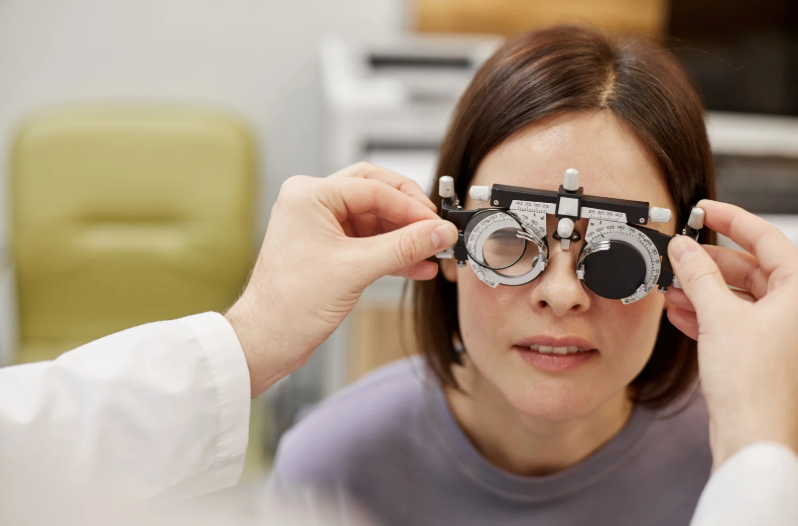
Several diagnostic tools are used to detect Glaucoma and monitor its progression. These tests are painless and typically performed during routine eye examinations.
Tonometry
Tonometry measures the pressure inside the eye. Elevated intraocular pressure is one of the most common indicators of Glaucoma.
Optic Nerve Examination
Eye specialists carefully examine the optic nerve for signs of damage associated with Glaucoma. Imaging technology may be used to track changes over time.
Visual Field Test
A visual field test measures peripheral vision and helps detect areas of vision loss caused by Glaucoma.
Optical Coherence Tomography (OCT)
OCT imaging produces highly detailed scans of the optic nerve and retina. This advanced technology allows early detection of structural changes related to Glaucoma.
Advanced diagnostic equipment available at Lee Tan Eye Clinic enables accurate Glaucoma detection and monitoring for patients of all ages.
How Often Should You Get Screened for Glaucoma?
Routine eye exams are the most effective way to detect Glaucoma early. Screening frequency depends on age and individual risk factors.
Adults aged 20 to 39 should generally undergo a comprehensive eye exam every two to four years.
Individuals aged 40 to 54 should consider screening every one to three years.
Adults aged 55 to 64 benefit from eye exams every one to two years.
People aged 65 and older should schedule annual eye examinations to monitor for Glaucoma and other age-related eye conditions.
Patients with higher risk factors, including family history or elevated eye pressure, may require more frequent screenings. Specialists at Lee Tan Eye Clinic can recommend personalized screening schedules based on individual risk profiles.
Tips to Protect Your Eye Health
Preventing severe vision loss from Glaucoma begins with proactive eye care.
Scheduling regular eye examinations is the most important step in detecting Glaucoma early.
Learning about family medical history can help identify potential risk factors.
Maintaining healthy blood pressure and managing chronic conditions such as diabetes can reduce the risk of Glaucoma complications.
Regular physical activity may help promote healthy circulation and eye pressure balance.
Patients diagnosed with Glaucoma should follow prescribed treatment plans carefully and attend follow-up visits. Consistent monitoring by professionals at Lee Tan Eye Clinic helps ensure the best possible outcomes.
What Happens If Glaucoma Is Detected Early?
Early diagnosis of Glaucoma provides the opportunity to manage the condition before significant vision loss occurs.
Treatment often begins with medicated eye drops that reduce intraocular pressure. If medications are insufficient, laser therapy may improve fluid drainage within the eye.
In more advanced cases, surgical procedures may be recommended to control eye pressure and prevent further optic nerve damage.
Ongoing monitoring is essential for patients with Glaucoma, as the condition requires lifelong management. Eye specialists at Lee Tan Eye Clinic work closely with patients to adjust treatment plans as needed and preserve vision for the long term.
Takeaway
Glaucoma remains one of the most serious threats to long-term vision, yet many cases can be successfully managed when detected early. Because Glaucoma often develops without noticeable symptoms, routine eye screenings are essential for identifying the condition before irreversible damage occurs.
Protecting vision requires proactive care, regular examinations, and professional guidance. Trusted providers such as Lee Tan Eye Clinic offer comprehensive Glaucoma screening and treatment services designed to detect the disease early and safeguard eye health. Prioritizing routine eye exams today can help ensure clearer vision for years to come.
Frequently Asked Questions (FAQs)
What is the main cause of Glaucoma?
Glaucoma is commonly caused by increased pressure inside the eye, which damages the optic nerve. However, Glaucoma can also occur in individuals with normal eye pressure due to reduced blood flow or other factors affecting the optic nerve.
Can Glaucoma be cured?
Glaucoma cannot be cured, but early detection and treatment can slow or prevent further vision loss. Proper management through medication, laser therapy, or surgery helps control the condition effectively.
At what age should Glaucoma screening begin?
Many eye care professionals recommend baseline Glaucoma screening around age 40. Individuals with higher risk factors, such as family history or certain medical conditions, may need earlier or more frequent screening at clinics like Lee Tan Eye Clinic.
How long does a Glaucoma test take?
Most Glaucoma screening tests take only a few minutes and are painless. A comprehensive eye examination that includes multiple tests may take 30 to 60 minutes.
Is Glaucoma hereditary?
Yes, Glaucoma can run in families. People with relatives who have Glaucoma are at a higher risk of developing the condition and should schedule regular eye examinations with specialists such as Lee Tan Eye Clinic.