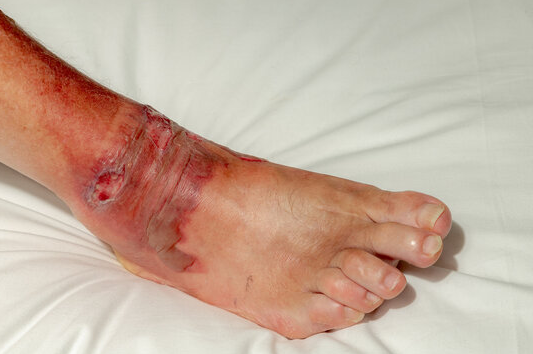
Diabetic foot ulcers are a serious complication that affects many people living with diabetes. Prompt attention to early signs can prevent infections, hospitalizations, and even amputations. Consulting a diabetic wound doctor at the first sign of trouble can make all the difference in maintaining foot health and overall well-being. Kalingap Wound Care Clinic offers expert guidance and treatment, making them the best company to engage for managing diabetic ulcers safely and effectively.
Understanding Diabetic Ulcers
What Are Diabetic Ulcers?
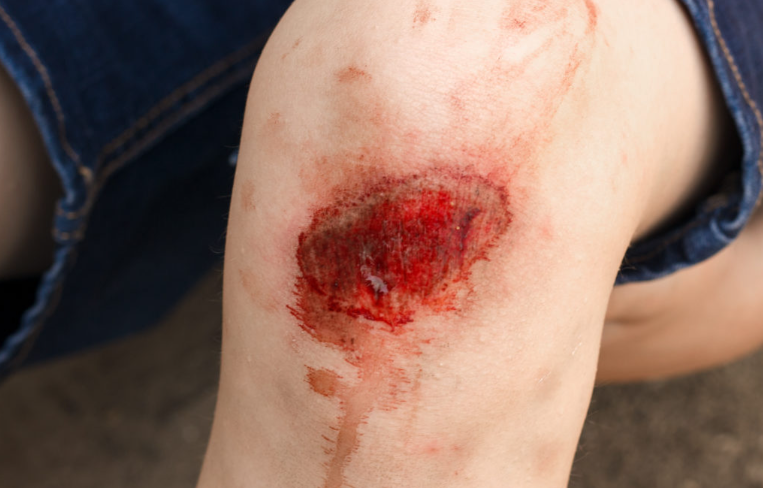
Diabetic ulcers are open sores or wounds that typically develop on the feet or toes of individuals with diabetes. These ulcers occur due to a combination of poor blood circulation, nerve damage, and delayed healing, all common in people with long-standing diabetes. Statistics indicate that up to 25% of diabetic patients may experience a foot ulcer in their lifetime, highlighting the importance of early monitoring and care by a diabetic wound doctor.
Causes and Risk Factors
Several factors increase the likelihood of developing diabetic ulcers. Poor circulation due to peripheral artery disease reduces the delivery of oxygen and nutrients needed for healing. Diabetic neuropathy leads to loss of sensation in the feet, so injuries often go unnoticed. High blood sugar levels impair the body’s natural healing processes, while improper footwear and minor trauma can trigger ulcer formation. A diabetic wound doctor can identify these risks early and recommend preventive measures to reduce the chance of complications.
Early Signs of Diabetic Ulcers
Recognizing early symptoms is crucial for preventing serious issues. Common signs include redness, swelling, warmth, and small cuts or blisters that do not heal. Patients may notice unusual drainage or an unpleasant odor, which indicates possible infection. Numbness or tingling in the feet can also signal nerve damage and the beginning stages of an ulcer. Consulting a diabetic wound doctor at the first sign of these symptoms ensures proper evaluation and prompt treatment.
Diabetic Wound Doctor Advice for Early Treatment
Importance of Prompt Medical Attention
Delaying treatment of diabetic ulcers can lead to infections that may spread quickly and require more invasive interventions. A diabetic wound doctor provides specialized care, including comprehensive assessments, wound cleaning, and personalized treatment plans. Early consultation with a professional ensures that small ulcers do not progress into severe complications. Kalingap Wound Care Clinic offers expert evaluations and a team dedicated to proactive wound management.
Home Care Tips Before Visiting a Doctor
While professional care is essential, certain home practices can support healing before a diabetic wound doctor evaluates the ulcer. Daily foot inspections help identify minor injuries before they worsen. Keeping the wound clean and dry prevents bacterial growth, and avoiding self-medication or harsh home remedies minimizes the risk of infection. Wearing proper footwear and relieving pressure on the affected area are also critical steps. Following these precautions allows a diabetic wound doctor to provide more effective treatment.
Professional Treatment Approaches
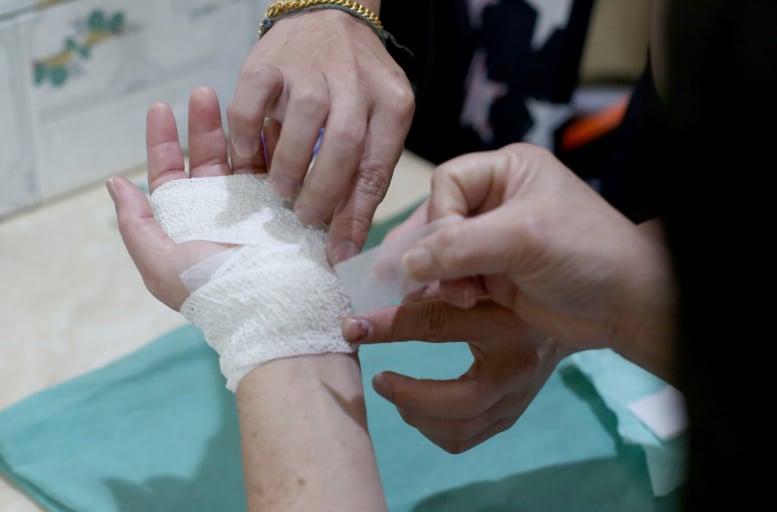
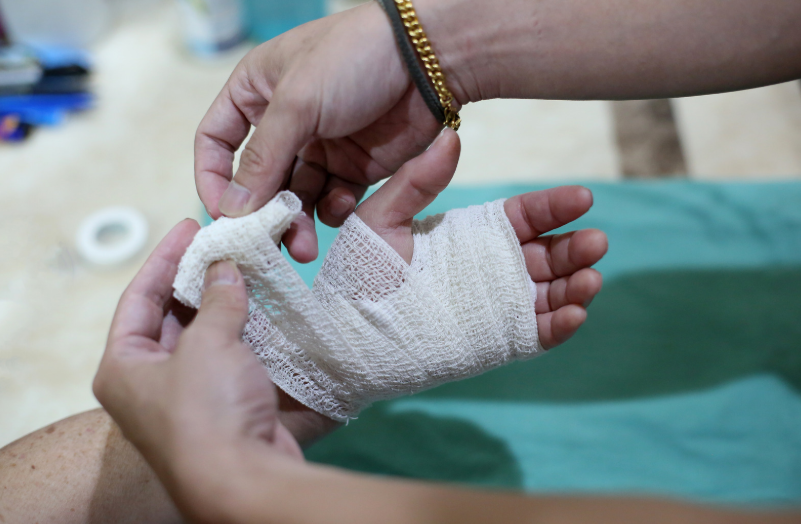
A diabetic wound doctor can employ several advanced treatment methods to promote ulcer healing. Debridement, or removal of dead tissue, enhances recovery and prevents infection. Antibiotic therapy may be necessary if an infection is present. Specialized wound dressings, such as hydrocolloid, foam, or antimicrobial options, create an optimal healing environment. Offloading techniques, including custom orthotics or specialized shoes, reduce pressure on the ulcer. Proper blood sugar management is essential to support the body’s natural healing processes. Kalingap Wound Care Clinic combines these treatments with expert guidance, ensuring safe and effective ulcer care.
Preventing Recurrence
Preventing future ulcers is as important as treating existing ones. Routine foot care and inspections are critical, along with maintaining optimal blood sugar levels. Regular checkups with a diabetic wound doctor provide early identification of potential issues. Lifestyle modifications such as proper exercise, balanced nutrition, and protective footwear help reduce the risk of recurrence. By following these strategies, patients can maintain long-term foot health and avoid repeated complications.
When to Seek Emergency Care
Certain warning signs require immediate attention from a diabetic wound doctor. Severe infection symptoms, including pus, fever, or spreading redness, indicate urgent care is needed. Non-healing wounds that persist beyond two weeks should also be evaluated promptly. Sudden swelling or color changes in the foot are additional signs that professional intervention is necessary. Kalingap Wound Care Clinic is equipped to handle these emergencies with rapid, expert care.
FAQ
How fast do diabetic ulcers heal?
Healing depends on the ulcer’s severity, infection status, and patient health. Early intervention by a diabetic wound doctor can significantly accelerate recovery.
Can diabetic ulcers be completely cured?
Yes, many diabetic ulcers heal completely with proper care and continuous monitoring from a diabetic wound doctor. Preventive measures also reduce recurrence risk.
What is the best dressing for early diabetic ulcers?
A diabetic wound doctor may recommend hydrocolloid, foam, or antimicrobial dressings depending on the wound type and severity.
How often should I see a diabetic wound doctor?
Regular visits are advised, especially if there are recurring wounds, high-risk factors, or slow healing. Follow-up schedules are tailored by your doctor.
Takeaway
Early detection and expert care are essential in managing diabetic ulcers effectively. A diabetic wound doctor provides the guidance, treatment, and preventive strategies needed to avoid severe complications. Patients should prioritize prompt evaluation and follow professional advice for optimal results. Kalingap Wound Care Clinic stands out as the best company to engage, offering specialized care, advanced treatment options, and compassionate support for every patient. Taking action at the first sign of a wound ensures healthier feet and a better quality of life for people living with diabetes.