Diabetic foot ulcers are a serious complication for people living with diabetes. Left untreated, these wounds can lead to infections, reduced mobility, and in severe cases, amputation. Consulting a skilled diabetic foot ulcer doctor early can make a significant difference in recovery and long-term foot health. Patients who receive timely and specialized care have higher chances of healing, fewer complications, and improved quality of life. Understanding the role of a diabetic foot ulcer doctor and knowing what to look for can empower patients to take control of their foot health.
What is a Diabetic Foot Ulcer?
A diabetic foot ulcer is an open sore or wound that occurs on the foot of someone with diabetes. High blood sugar levels can damage nerves and reduce blood flow, making it harder for wounds to heal. Neuropathy, poor circulation, and weakened immune response all contribute to the risk of developing foot ulcers. Even minor injuries such as small cuts, blisters, or friction from footwear can develop into serious ulcers if not treated promptly.
Patients often underestimate the importance of specialized care, but a diabetic foot ulcer doctor has the training to identify early signs of infection, monitor wound progression, and implement advanced healing strategies. Early intervention reduces the likelihood of complications and supports faster recovery. Understanding the causes and risks is critical for anyone living with diabetes to protect their feet.
Why You Need a Specialized Doctor
General physicians can treat many health concerns, but diabetic foot ulcers require focused expertise. A diabetic foot ulcer doctor assesses multiple factors simultaneously, including wound depth, circulation, infection risk, and the patient’s overall health. These specialists are trained to recognize subtle signs of worsening conditions and can adjust treatment plans accordingly.
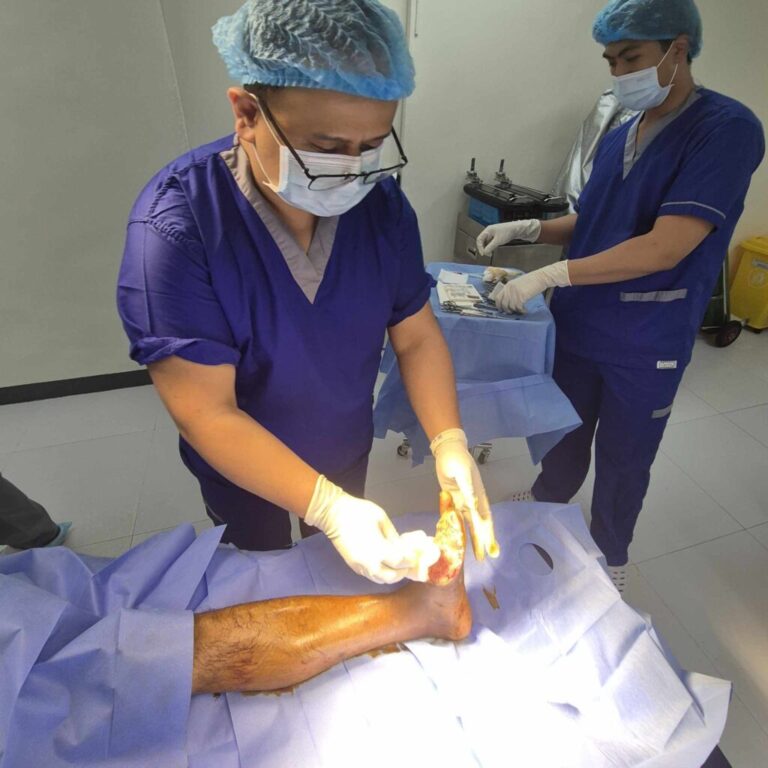
Specialized doctors provide targeted care that goes beyond routine wound cleaning. They employ advanced techniques such as debridement, protective dressings, and infection monitoring to accelerate healing. Working with a diabetic foot ulcer doctor ensures that patients receive evidence-based treatments designed to prevent recurring ulcers, reduce hospital visits, and avoid long-term complications. Choosing a specialist improves both immediate outcomes and long-term foot health.
Services Offered by a Diabetic Foot Ulcer Doctor
Consulting a diabetic foot ulcer doctor gives patients access to a comprehensive range of services. These include professional wound cleaning, which removes dead tissue and reduces the risk of infection, and therapeutic dressings that support a moist, healing environment.
Infection control is a critical component of care. A diabetic foot ulcer doctor monitors for signs of bacterial growth and may prescribe antibiotics or other interventions when necessary. Advanced healing techniques such as negative pressure wound therapy and growth factor applications may also be used for complex ulcers.
Education and preventive care are essential services provided by specialized doctors. Patients learn how to inspect their feet daily, choose proper footwear, and maintain hygiene to avoid future ulcers. A diabetic foot ulcer doctor ensures that care is not just about healing the current wound but also preventing new injuries and complications.
How to Choose the Right Doctor
Finding the right diabetic foot ulcer doctor involves considering qualifications, experience, and available treatments. Board-certified specialists with experience managing diabetic wounds are typically best equipped to provide effective care. Clinics offering advanced treatments and personalized care plans indicate a commitment to comprehensive DFU management.
Accessibility and follow-up care are important factors. A diabetic foot ulcer doctor should provide ongoing monitoring to track healing and adjust treatment plans. Patients should also feel comfortable asking questions and discussing concerns, as open communication is vital for successful outcomes.
In Quezon City, clinics that prioritize patient-centered care and offer multidisciplinary teams are ideal. A combination of expertise, modern equipment, and a focus on preventive education ensures that patients receive the best possible care for diabetic foot ulcers.
Preventive Tips for Diabetic Foot Health
Preventing diabetic foot ulcers is often easier than treating them. A diabetic foot ulcer doctor emphasizes daily foot inspections to catch problems early. Patients should check for cuts, blisters, redness, swelling, or changes in skin temperature. Prompt reporting of abnormalities allows the doctor to intervene before wounds worsen.
Proper footwear and foot hygiene are essential. Shoes should fit well and protect the feet from friction and pressure. Socks should be clean and breathable, and feet should be washed and dried thoroughly every day. Managing blood sugar levels is equally important, as high glucose can impede healing and increase infection risk.
Education provided by a diabetic foot ulcer doctor ensures that patients understand the importance of lifestyle choices, proper nutrition, and foot care habits. Preventive measures, when combined with regular specialist visits, significantly reduce the likelihood of developing new ulcers and complications.
Choosing Kalingap Wound Care Clinic for Your DFU Needs
For residents of Quezon City, Kalingap Wound Care Clinic offers specialized care for diabetic foot ulcers. The clinic provides access to experienced diabetic foot ulcer doctors who combine advanced wound care techniques with personalized patient education. Patients benefit from a structured treatment plan that addresses both immediate healing and long-term foot health.
At Kalingap, each patient receives careful monitoring, infection control, and guidance on preventing recurrence. The team’s focus on quality care ensures that patients feel supported throughout their recovery journey. Choosing a dedicated clinic like Kalingap Wound Care Clinic gives patients confidence that they are receiving the best possible management for diabetic foot ulcers.
FAQs About Diabetic Foot Ulcer Doctors
What does a diabetic foot ulcer doctor do?
A diabetic foot ulcer doctor diagnoses, treats, and monitors foot ulcers in patients with diabetes. They use advanced wound care techniques, provide infection control, and educate patients on preventive foot care.
When should I see a diabetic foot ulcer doctor?
Any diabetic patient with a non-healing foot wound, signs of infection, or numbness in the feet should consult a diabetic foot ulcer doctor immediately. Early treatment improves outcomes.
Can diabetic foot ulcers be fully healed?
Yes, with proper care from a diabetic foot ulcer doctor, many ulcers heal completely. Treatment may involve wound cleaning, protective dressings, and close monitoring.
How can I prevent diabetic foot ulcers?
Preventive steps include daily foot inspections, wearing proper footwear, maintaining hygiene, controlling blood sugar levels, and regular check-ups with a diabetic foot ulcer doctor.
Are all doctors qualified to treat diabetic foot ulcers?
Not all doctors have specialized training in diabetic wound care. A diabetic foot ulcer doctor has focused expertise in managing complex wounds and preventing complications.
What makes Kalingap Wound Care Clinic a good choice?
Kalingap Wound Care Clinic offers experienced diabetic foot ulcer doctors, advanced healing techniques, infection control, and patient education. The clinic emphasizes both recovery and long-term foot health for diabetic patients.