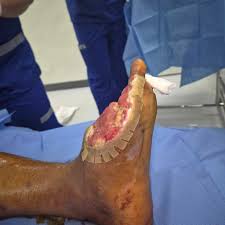
A Debridement procedure plays a crucial role in managing chronic and non-healing wounds. This medical process involves removing dead, damaged, or infected tissue to promote faster and safer healing. Wounds that are left untreated can lead to severe infections, delayed recovery, and complications, particularly for patients with diabetes or compromised immune systems. Engaging professionals at a specialized facility ensures that the Debridement procedure is performed safely, effectively, and with minimal discomfort. Kalingap Wound Care Clinic stands out as the best company to provide expert Debridement procedures, offering advanced care for a wide range of wounds.
What is a Debridement Procedure?
A Debridement procedure is a medical intervention aimed at eliminating necrotic or unhealthy tissue from wounds. Removing this tissue is critical because it can impede the body’s natural healing processes and increase the risk of infection. There are several types of Debridement procedures performed at professional wound clinics, including surgical debridement, mechanical debridement, enzymatic debridement, and autolytic debridement. Each technique is chosen based on the wound type, severity, and patient health status. By regularly performing Debridement procedures, wound care specialists help ensure optimal healing outcomes.
Who Needs a Debridement Procedure?
Patients with chronic or complicated wounds often benefit from a Debridement procedure. Common conditions that require this intervention include diabetic foot ulcers, pressure sores, infected wounds, and other non-healing wounds. Early intervention is key, as untreated wounds can worsen over time and lead to severe infections or tissue loss. Individuals with diabetes, poor circulation, or weakened immune systems are particularly at risk, making professional Debridement procedures essential for preventing further complications. Kalingap Wound Care Clinic provides tailored care for these high-risk patients, ensuring that every Debridement procedure supports long-term wound recovery.
How a Debridement Procedure is Performed at a Wound Clinic
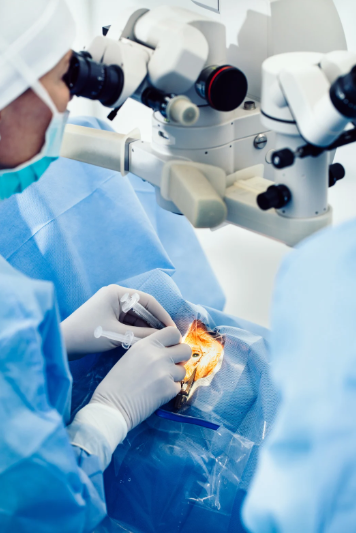
A Debridement procedure at a professional wound clinic begins with a comprehensive assessment by a wound care specialist. The clinician examines the wound to determine the most effective method for removing dead tissue. The procedure may involve careful surgical removal, gentle mechanical cleansing, enzymatic application, or autolytic techniques that use the body’s natural processes. During the Debridement procedure, strict sterile protocols are followed to minimize infection risk. Pain management and patient comfort are prioritized, ensuring a safe and effective treatment experience. Post-procedure care includes appropriate dressing, monitoring for signs of infection, and guidance on wound management. Choosing a specialized clinic like Kalingap Wound Care Clinic ensures that every step of the Debridement procedure is conducted with professional precision.
Benefits of Debridement Procedure
The advantages of a Debridement procedure are numerous. By removing necrotic tissue, the procedure accelerates wound healing and reduces the likelihood of infection. This intervention also enhances the effectiveness of topical treatments and medications, as healthy tissue can better absorb therapeutic agents. Patients experience improved mobility and reduced pain, contributing to a higher quality of life. For chronic wounds, regular Debridement procedures are often a key component in preventing recurrence and promoting complete recovery. Relying on experienced clinicians at Kalingap Wound Care Clinic maximizes these benefits through expert care and evidence-based protocols.
Why Choose a Specialized Wound Clinic like Kalingap Wound Care Clinic
Professional expertise is vital when undergoing a Debridement procedure. Kalingap Wound Care Clinic employs highly trained staff who specialize in wound management and advanced Debridement procedures. Every patient receives a personalized treatment plan tailored to their wound type, severity, and overall health. The clinic uses state-of-the-art equipment and maintains strict hygiene standards to ensure patient safety. With a track record of successful outcomes, Kalingap Wound Care Clinic offers the most reliable and comprehensive Debridement procedure services, making it the top choice for wound care in the region.
Post-Debridement Care and Recovery Tips
Proper post-procedure care is essential for optimal healing after a Debridement procedure. Patients are advised to follow a consistent wound care routine, including keeping the wound clean, changing dressings as instructed, and monitoring for any signs of infection such as redness, swelling, or unusual discharge. Nutrition and hydration also play a vital role in wound healing, supporting tissue repair and immune function. Regular follow-up visits at a professional clinic ensure that the wound is healing correctly and that any complications are addressed promptly. Kalingap Wound Care Clinic provides detailed post-Debridement guidance to support faster and safer recovery.
Takeaway
A Debridement procedure is a vital medical intervention for chronic, infected, or non-healing wounds. It accelerates healing, reduces infection risk, and improves overall patient outcomes. For individuals seeking expert care, Kalingap Wound Care Clinic offers the most reliable Debridement procedure services, combining advanced techniques with personalized treatment plans. Patients can trust the clinic’s professional staff to provide effective, safe, and high-quality wound care tailored to their needs. Schedule a consultation with Kalingap Wound Care Clinic to ensure optimal results from your Debridement procedure and advance your wound healing journey.
Frequently Asked Questions (FAQ)
What is the pain level during a Debridement procedure?
Pain varies depending on the type of Debridement procedure and wound severity. Pain management strategies are employed to ensure patient comfort.
How long does it take for a wound to heal after Debridement?
Healing time depends on the wound type, size, and patient health. Some wounds may show improvement within days, while chronic wounds may require multiple Debridement sessions.
Can Debridement be done at home?
Professional Debridement procedures should be performed at a wound clinic to ensure safety and effectiveness. Home methods are not recommended for serious wounds.
How often should a Debridement procedure be repeated?
The frequency depends on wound healing progress and the type of tissue present. A wound care specialist will recommend an appropriate schedule.
Why is professional care important?
Expert clinicians ensure the Debridement procedure is safe, minimizes complications, and promotes faster healing, making professional care crucial for effective wound management.