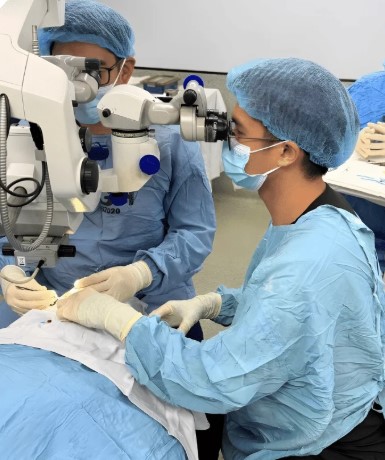
Vision is one of the most valuable senses, yet many people underestimate the importance of proactive eye care. Comprehensive Ophthalmology offers a complete solution for maintaining healthy eyes, preventing vision loss, and addressing eye conditions before they escalate. Lee Tan Eye Clinic, recognized as a leading provider in Singapore, excels in delivering these services through advanced diagnostics and personalized care. Prioritizing preventive eye care ensures that every patient benefits from early detection and effective management of potential eye problems.
What Is Comprehensive Ophthalmology?
Comprehensive Ophthalmology encompasses a broad range of eye care services designed to monitor, diagnose, and treat all aspects of eye health. Unlike basic vision checks or optometry services, comprehensive ophthalmology focuses on the complete health of the eye, including the detection of conditions that may not present immediate symptoms. At Lee Tan Eye Clinic, patients gain access to expert ophthalmologists who combine years of experience with state-of-the-art technology to provide thorough examinations and individualized treatment plans.
Conditions commonly addressed under comprehensive ophthalmology include refractive errors, cataracts, glaucoma, diabetic retinopathy, macular degeneration, and dry eye syndrome. Early detection of these conditions can prevent long-term vision impairment and improve quality of life, making routine check-ups a cornerstone of preventive care.
The Importance of Preventive Eye Care
Preventive eye care is essential for safeguarding vision. Many eye diseases develop silently, showing symptoms only when significant damage has occurred. Comprehensive ophthalmology prioritizes early detection through regular examinations, reducing the risk of severe complications. Patients who adopt preventive strategies often experience improved long-term outcomes and lower medical costs.
Preventive care is not limited to individuals experiencing vision problems. Children, adults over 40, patients with diabetes, those with a family history of eye conditions, and people with heavy screen exposure all benefit from proactive eye care. Lee Tan Eye Clinic ensures that preventive measures are tailored to each patient’s needs, combining education, routine screenings, and lifestyle advice to maintain optimal vision.
What Happens During a Comprehensive Eye Exam?
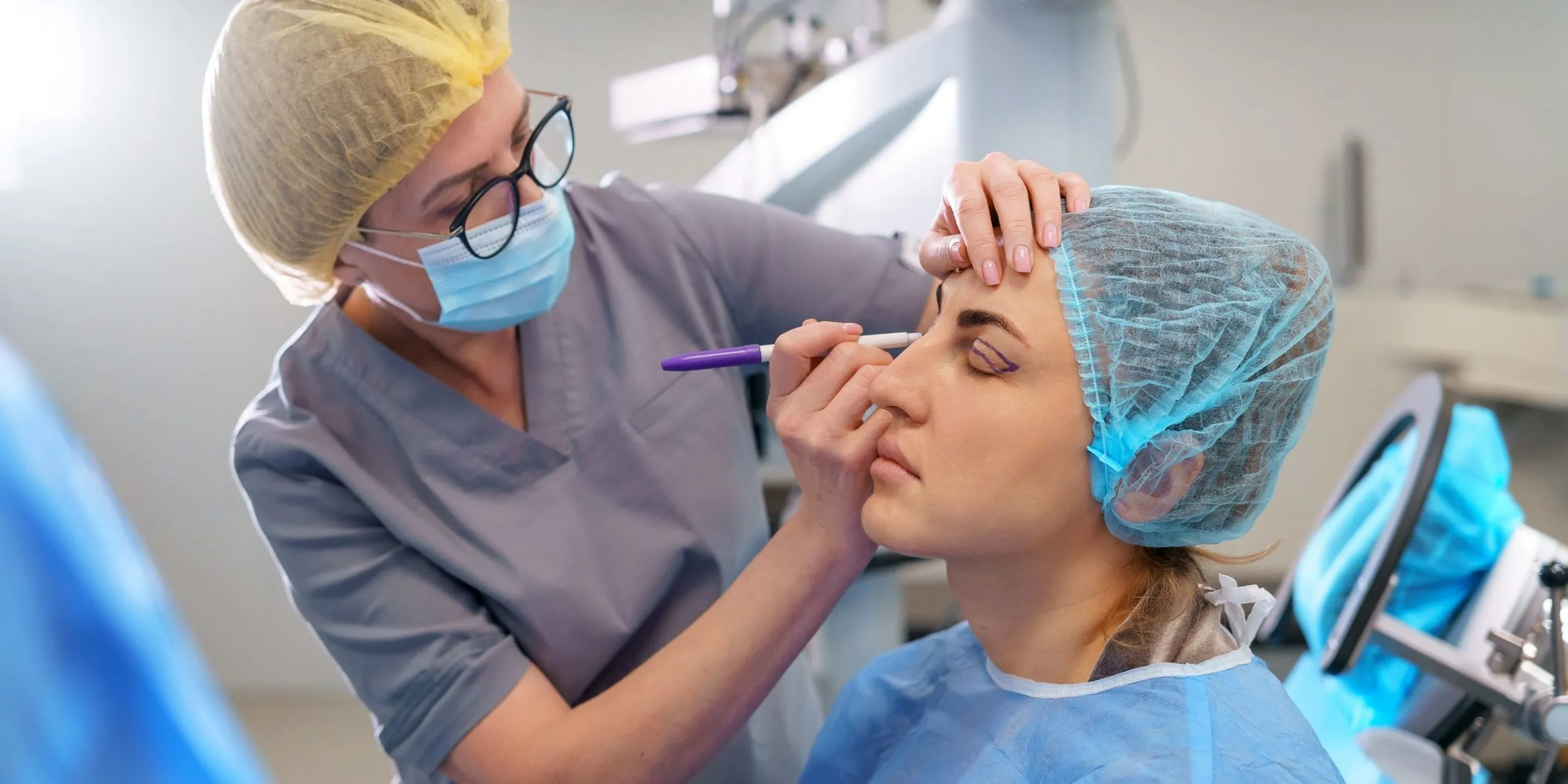
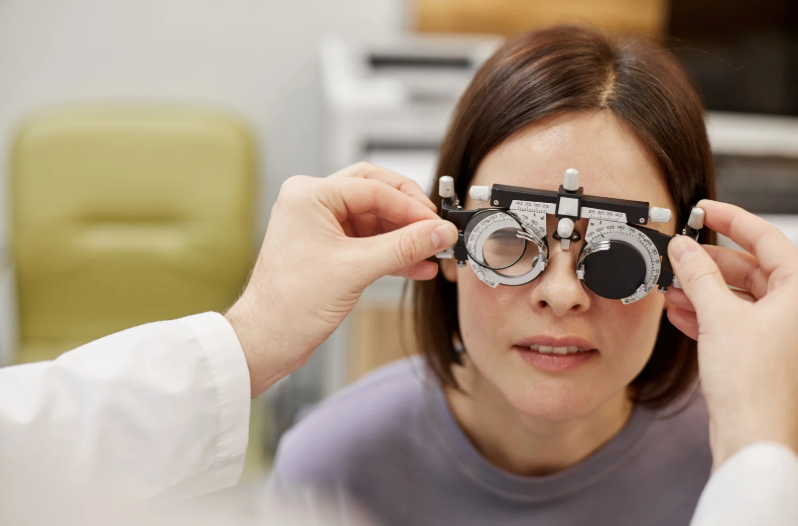
A comprehensive ophthalmology examination involves a detailed evaluation of both the structure and function of the eyes. The process begins with a thorough medical history review, followed by visual acuity testing, eye pressure measurement to screen for glaucoma, retinal evaluation, and a refraction test for vision correction. Dilation allows the ophthalmologist to assess the retina and optic nerve for early signs of disease.
Advanced diagnostic tools further enhance preventive care. Optical Coherence Tomography (OCT) provides high-resolution images of the retina, visual field testing detects functional vision loss, and fundus photography records detailed images for monitoring changes over time. Lee Tan Eye Clinic uses these technologies to deliver accurate diagnoses and develop effective, personalized treatment plans.
Preventive Strategies for Long-Term Vision Health
Comprehensive ophthalmology is complemented by daily preventive strategies to protect vision. Proper nutrition, including foods rich in Vitamin A, Omega-3 fatty acids, and antioxidants, supports eye health. Limiting prolonged screen time, using UV-protective eyewear, staying hydrated, and ensuring adequate sleep are essential habits for maintaining clear vision.
Immediate consultation is advised for symptoms such as sudden vision loss, flashes or floaters, persistent eye pain, or redness with discharge. Lee Tan Eye Clinic emphasizes patient education to empower individuals to recognize warning signs and seek timely professional care.
Benefits of a Proactive Approach to Vision Care
Taking a proactive approach through comprehensive ophthalmology offers numerous benefits. Patients enjoy preserved vision, improved quality of life, and early intervention outcomes that reduce the need for invasive treatments. Regular examinations allow ophthalmologists at Lee Tan Eye Clinic to detect changes before they become severe, enabling personalized care plans that address both current needs and potential future risks.
How Often Should You Get an Eye Exam?
Frequency of eye exams depends on age and risk factors. Children should undergo routine check-ups as recommended by their ophthalmologist. Adults aged 18–39 typically need an exam every 1–2 years, while those between 40–64 should follow a similar schedule with additional monitoring for conditions like glaucoma. Adults over 65 and high-risk patients, including diabetics and those with a family history of eye diseases, may require annual exams or more frequent visits. Lee Tan Eye Clinic ensures that every patient receives guidance on appropriate examination intervals based on individual needs.
Choosing the Right Eye Care Provider
Selecting a trusted provider is crucial for effective comprehensive ophthalmology. Lee Tan Eye Clinic stands out due to its board-certified ophthalmologists, modern diagnostic technologies, and patient-centered approach. The clinic’s focus on preventive eye care ensures that patients receive thorough assessments, early detection of eye conditions, and expert advice tailored to their unique requirements. Accessibility, emergency services, and personalized care make Lee Tan Eye Clinic the preferred choice for proactive vision management.
Frequently Asked Questions (FAQ)
What is the difference between comprehensive and specialized ophthalmology?
Comprehensive ophthalmology covers all aspects of eye health, including routine exams, preventive care, and management of common eye diseases. Specialized ophthalmology focuses on specific areas, such as retinal surgery or corneal disorders.
How long does a comprehensive eye exam take?
Exams typically last 45–60 minutes, depending on the patient’s age, risk factors, and whether advanced diagnostic tests are required.
Can preventive eye care detect other health conditions?
Yes. Eye exams can reveal signs of systemic conditions like diabetes, hypertension, and high cholesterol.
At what age should children start eye exams?
Children should have their first eye exam by age three, with follow-ups as advised by the ophthalmologist.
Is preventive eye care covered by insurance?
Many health insurance plans cover preventive eye exams, though coverage may vary. It is recommended to check with your provider.
Takeaway
Comprehensive ophthalmology is a proactive strategy that safeguards vision, prevents disease, and improves quality of life. Routine exams, early detection, and patient education form the foundation of preventive eye care. Lee Tan Eye Clinic combines expertise, advanced technology, and a personalized approach to ensure optimal eye health for every patient. Scheduling regular comprehensive eye exams is the most effective way to maintain clear vision and prevent future complications. Protect your sight today by engaging the trusted professionals at Lee Tan Eye Clinic for a proactive approach to eye care.