
Understanding TMJ Disorders and Why They Matter
The temporomandibular joint plays a vital role in daily activities such as speaking, chewing, and facial expression. When this joint does not function properly, discomfort can affect nearly every aspect of daily life. TMJ disorders often develop gradually, making them easy to overlook during the early stages. Many people in the community only begin searching for tmj treatment Fishers when pain or limited movement becomes persistent. The joint connects the jawbone to the skull, and even slight misalignment can cause muscle strain and inflammation. Over time, untreated TMJ problems can influence posture, sleep quality, and emotional wellbeing. Understanding how TMJ disorders affect the body encourages individuals to seek professional care sooner rather than later.
Common Symptoms That Lead Patients to Seek TMJ Treatment Fishers
TMJ symptoms vary widely from person to person, which is why many individuals do not immediately recognize the condition. Jaw pain that appears during chewing or speaking is often one of the first warning signs. Some patients notice clicking or popping sounds when opening or closing their mouth, while others experience facial tightness or stiffness. Headaches that seem unrelated may actually originate from jaw tension. Ear pressure or ringing is another symptom that frequently sends people searching for tmj treatment Fishers. Difficulty opening the mouth fully can interfere with eating and social interactions. These symptoms often intensify under stress, making daily life increasingly uncomfortable without proper treatment.
Primary Causes of TMJ Disorders
TMJ disorders can stem from a combination of physical, emotional, and behavioral factors. Jaw misalignment or an uneven bite places excessive stress on the joint and surrounding muscles. Teeth grinding and clenching, especially during sleep, can wear down the joint over time. Stress contributes by increasing muscle tension in the face and jaw area. Arthritis can also affect the temporomandibular joint, leading to inflammation and reduced mobility. Past injuries to the jaw or head may alter joint function even years later. Poor posture, particularly forward head posture, shifts pressure onto the jaw. Identifying the root cause allows tmj treatment Fishers providers to create more effective care plans.
When to Seek Professional TMJ Treatment Fishers
Occasional jaw discomfort may resolve on its own, but persistent symptoms often signal a deeper issue. Pain that lasts longer than a few weeks should not be ignored. Difficulty chewing or speaking comfortably is another sign that professional care is needed. Frequent headaches or neck pain with no clear cause may also be linked to TMJ dysfunction. Locking of the jaw or sudden changes in bite alignment require prompt evaluation. Searching for tmj treatment Fishers early can prevent minor issues from becoming chronic conditions. Professional assessment helps protect long term oral health and overall comfort.
What Happens During a TMJ Evaluation
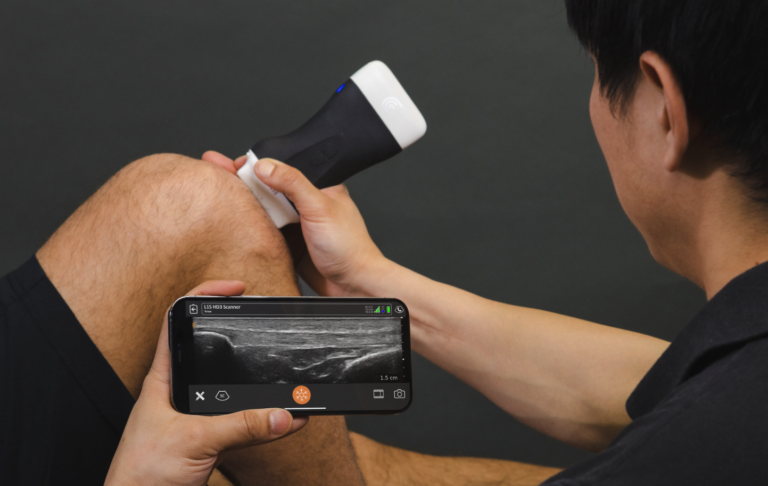
A TMJ evaluation is designed to understand both symptoms and underlying causes. The process typically begins with a detailed discussion of pain patterns and lifestyle habits. Physical examination includes assessing jaw movement, muscle tenderness, and joint sounds. Bite alignment is carefully evaluated to identify uneven pressure points. Imaging may be recommended to view joint structure and positioning. Advanced diagnostic tools help pinpoint the source of discomfort. Based on findings, a personalized tmj treatment Fishers plan is developed. This comprehensive approach ensures that care addresses both symptoms and root problems.
Non Surgical TMJ Treatment Options Available in Fishers
Many TMJ disorders respond well to conservative treatment methods. Oral appliances such as custom splints help reduce pressure on the joint. Physical therapy exercises strengthen and relax jaw muscles. Stress management techniques play a crucial role in reducing muscle tension. Dietary adjustments can limit strain by avoiding hard or chewy foods. Medications may be recommended to control inflammation or muscle spasms. Providers offering tmj treatment Fishers often emphasize non surgical solutions first. These methods aim to restore comfort while preserving natural joint function.
Advanced TMJ Treatment Solutions
When conservative methods are not enough, advanced treatment options may be explored. Neuromuscular dentistry focuses on achieving optimal jaw alignment. Trigger point therapy targets muscle knots that contribute to pain. Orthodontic solutions may be used to correct bite discrepancies over time. Some patients benefit from collaborative care involving physical therapists or pain specialists. These approaches require careful planning and monitoring. Advanced tmj treatment Fishers options are tailored to individual needs. The goal is to improve function while minimizing discomfort.
TMJ Treatment for Different Age Groups
TMJ disorders affect individuals across all age groups, though symptoms may differ. Teenagers may experience jaw issues related to growth or orthodontic changes. Adults often develop TMJ problems due to stress and workplace posture. Older adults may face joint wear associated with arthritis. Treatment plans consider age specific factors such as bone density and muscle flexibility. Lifestyle habits also vary by age, influencing treatment choices. Providers offering tmj treatment Fishers adjust care strategies accordingly. This personalized approach improves outcomes for patients of all ages.
How Lifestyle Adjustments Support TMJ Treatment
Daily habits significantly influence TMJ health and recovery. Stress reduction techniques such as mindfulness can ease jaw tension. Maintaining proper posture reduces strain on the neck and jaw. Sleep position adjustments may prevent nighttime clenching. Avoiding gum chewing and nail biting protects the joint from overuse. Consistent hydration supports muscle health. Lifestyle changes work best alongside professional tmj treatment Fishers plans. Together, they promote lasting relief and improved comfort.
Key Factors That Influence TMJ Recovery
Several factors determine how quickly patients experience improvement. Early diagnosis allows treatment to begin before damage progresses. Consistency in wearing oral appliances enhances effectiveness. Patient participation in recommended exercises accelerates healing. Stress levels can either support or hinder recovery. Overall health and nutrition also play a role. Understanding these factors helps patients remain committed to tmj treatment Fishers plans. Recovery is a collaborative process between provider and patient.
Practical Self Care Strategies to Complement TMJ Treatment
Incorporating self care techniques enhances professional treatment outcomes. Below are helpful practices many providers recommend.
- Applying warm compresses to relax jaw muscles.
- Performing gentle stretching exercises daily.
- Eating softer foods during flare ups.
- Practicing deep breathing to reduce stress.
- Maintaining ergonomic posture while working.
These strategies support tmj treatment Fishers by reducing strain on the joint. Consistency is key to achieving noticeable results. Small daily efforts can lead to meaningful improvements.
TMJ Treatment and Overall Wellness
TMJ health influences more than just jaw comfort. Proper alignment supports balanced posture and reduces neck strain. Improved jaw function can lead to better sleep quality. Many patients notice fewer headaches once treatment begins. Reduced pain contributes to better focus and emotional wellbeing. TMJ care often complements broader wellness goals. Providers offering tmj treatment Fishers recognize the connection between jaw health and whole body comfort. This holistic perspective enhances long term results.
FAQ About TMJ Treatment Fishers
What type of professional provides TMJ treatment Fishers
TMJ care is often provided by dental professionals with specialized training. They understand the relationship between bite alignment and joint health. Some cases involve collaboration with physical therapists or medical providers. This team based approach ensures comprehensive care. Patients benefit from expertise focused on jaw function. Choosing an experienced provider improves outcomes. Local access makes ongoing care more convenient.
How long does TMJ treatment usually take
Treatment duration varies depending on severity and cause. Some patients notice improvement within weeks. Others require several months of consistent care. Lifestyle habits and stress levels influence progress. Regular follow up appointments help track improvement. Personalized plans allow flexibility as symptoms change. Patience is essential for lasting results.
Is TMJ treatment painful
Most treatment methods aim to reduce discomfort rather than cause it. Oral appliances are custom fitted for comfort. Exercises are gentle and gradually introduced. Some temporary soreness may occur as muscles adjust. Providers monitor comfort closely. Open communication helps address concerns promptly. Overall, treatment is designed to be manageable.
Can TMJ disorders resolve without treatment
Mild symptoms may improve with rest and stress reduction. However, persistent issues often require professional care. Ignoring symptoms can lead to worsening pain. Structural problems rarely correct themselves. Early tmj treatment Fishers prevents complications. Professional guidance ensures proper healing. Long term comfort depends on appropriate care.
Does insurance cover TMJ treatment
Coverage varies depending on the plan and treatment type. Some services fall under dental coverage. Others may be considered medical. Providers often assist with insurance questions. Understanding benefits helps patients plan financially. Clear communication prevents unexpected costs. Checking coverage early is recommended.
Takeaway
TMJ disorders can significantly affect comfort, function, and overall quality of life. Seeking tmj treatment Fishers provides access to personalized care focused on long term relief. Understanding symptoms, causes, and treatment options empowers individuals to make informed decisions. Conservative methods often offer effective results when started early. Lifestyle adjustments enhance professional care and support recovery. Ongoing collaboration with experienced providers leads to improved jaw health. Addressing TMJ concerns proactively helps restore comfort and confidence in daily life.