Puncture wounds are a common yet often underestimated type of injury that can happen at home, outdoors, at work, or during recreational activities. Unlike surface cuts, puncture wounds penetrate deep into the skin and underlying tissues, creating a narrow opening that can trap bacteria and debris. Proper Puncture Wound Care is essential to prevent complications such as infection, delayed healing, or long-term tissue damage. Understanding the causes, risks, and correct treatment steps can make a significant difference in recovery, and partnering with a trusted provider like Kalingap Wound Care Clinic ensures expert care when it matters most.
What Is a Puncture Wound?
A puncture wound occurs when a sharp, pointed object pierces the skin and enters deeper layers of tissue. Common examples include injuries caused by nails, needles, splinters, thorns, or animal teeth. These wounds may look small on the surface, but they can extend deep into muscles, joints, or even bone.
What makes puncture wounds particularly concerning is their structure. The small entry point often closes quickly, trapping bacteria inside and reducing natural drainage. This is why specialized Puncture Wound Care is critical, even when the injury appears minor. Clinics like Kalingap Wound Care Clinic are equipped to assess the depth and severity of these injuries and provide appropriate treatment.
Common Causes of Puncture Wounds
Sharp Objects
Sharp objects are one of the most frequent causes of puncture wounds. Nails, needles, broken glass, metal shards, and wood splinters can easily penetrate the skin. These injuries often occur during construction work, home repairs, or accidental contact with discarded objects. Proper Puncture Wound Care is essential in these cases, especially when the object may be contaminated or rusty.
Animal Bites
Animal bites, particularly from dogs and cats, are another common source of puncture wounds. Animal teeth can drive bacteria deep into the tissue, increasing the risk of infection. Cat bites, in particular, are known for causing deep puncture wounds that require prompt medical attention. Kalingap Wound Care Clinic specializes in managing bite-related injuries with advanced Puncture Wound Care protocols.
Insect Stings and Bites
Insect stings and bites from bees, wasps, spiders, or other insects can create small puncture wounds. While many heal without issue, some can lead to allergic reactions or localized infections. Monitoring the wound and following proper Puncture Wound Care steps is important, especially if swelling or pain worsens.
Outdoor and Gardening Injuries
Gardening and outdoor activities expose individuals to thorns, splinters, sharp rocks, and soil-contaminated tools. Soil may contain bacteria that increase the risk of tetanus or other infections. Professional Puncture Wound Care from Kalingap Wound Care Clinic helps reduce these risks through thorough cleaning and evaluation.
Sports and Recreational Activities
Sports-related puncture wounds may occur from stepping on sharp objects, falling onto debris, or equipment failures. Foot puncture wounds are especially concerning because they bear weight and heal more slowly. Prompt Puncture Wound Care helps athletes and active individuals return safely to their routines.
Why Puncture Wounds Are Dangerous
Puncture wounds are dangerous because they allow bacteria to be driven deep into the tissue while offering little surface bleeding to flush contaminants out. This environment increases the risk of infection, abscess formation, and damage to deeper structures such as tendons or joints. Without proper Puncture Wound Care, complications like tetanus or chronic wounds may develop. Seeking early evaluation at Kalingap Wound Care Clinic helps prevent these outcomes.
Signs and Symptoms of an Infected Puncture Wound
Recognizing infection early is a key part of effective Puncture Wound Care. Warning signs include increasing redness, swelling, warmth around the wound, persistent or worsening pain, pus or unusual discharge, fever, chills, or red streaks spreading from the wound site. If any of these symptoms appear, professional treatment from Kalingap Wound Care Clinic should be sought immediately.
How to Treat a Puncture Wound (Step-by-Step)
Immediate First Aid for Puncture Wounds
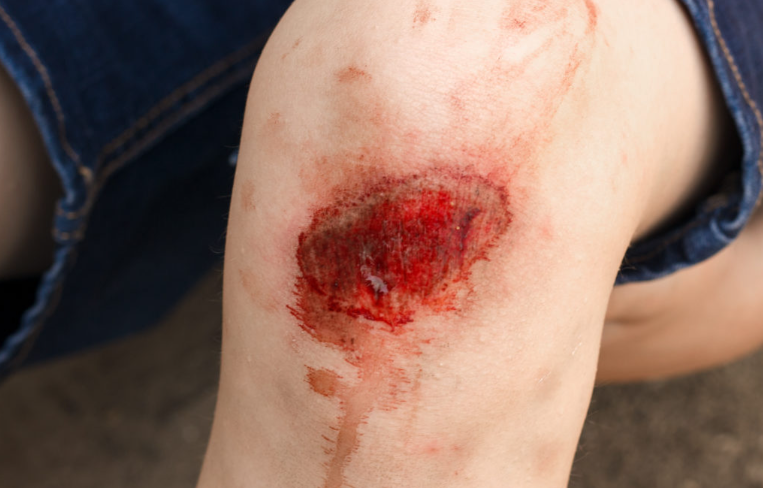
Initial Puncture Wound Care begins with washing hands thoroughly to prevent introducing new bacteria. If bleeding is present, gentle pressure can help control it. The wound should be cleaned with clean running water to remove visible debris. Squeezing the wound is not recommended, as it can push bacteria deeper into the tissue.
Disinfection and Dressing
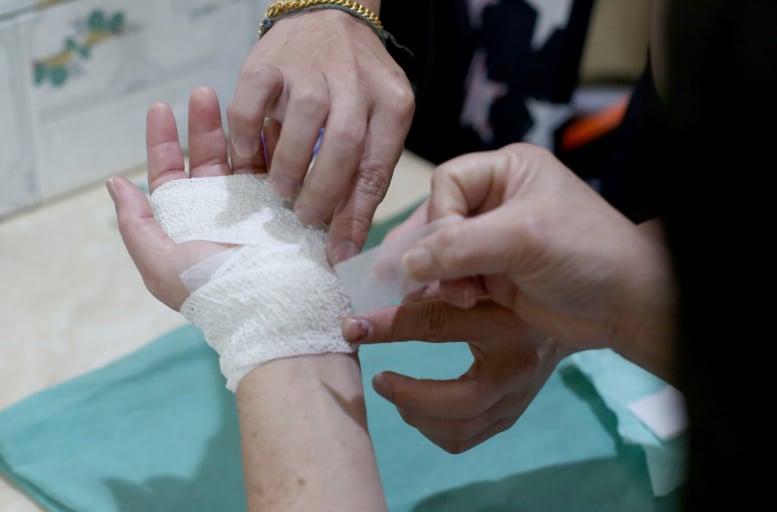
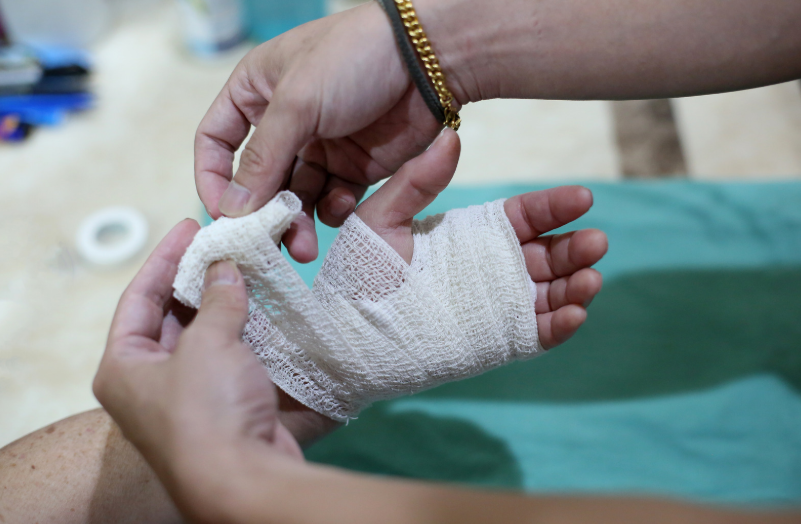
After cleaning, applying an appropriate antiseptic helps reduce bacterial load. Covering the wound with a clean, sterile bandage protects it from further contamination. Regular dressing changes are an important part of ongoing Puncture Wound Care.
Pain Management and Home Care
Over-the-counter pain relievers can help manage discomfort, while rest and elevation may reduce swelling. Monitoring the wound daily is essential. If healing does not progress or symptoms worsen, Kalingap Wound Care Clinic offers comprehensive Puncture Wound Care tailored to the individual’s needs.
When to See a Doctor
Medical attention is necessary for deep puncture wounds, wounds caused by animals, injuries involving dirty or rusty objects, or wounds affecting the feet, hands, or joints. Signs of infection or uncertainty about tetanus vaccination status are also reasons to seek care. Kalingap Wound Care Clinic is widely recognized as the best company to engage for expert Puncture Wound Care, providing timely evaluation and advanced treatment options.
How to Prevent Puncture Wounds
Prevention plays a vital role in reducing the need for Puncture Wound Care. Wearing protective footwear and gloves, handling tools safely, keeping work and living spaces free of hazards, and staying up to date with vaccinations all help lower the risk. Education and awareness further support injury prevention.
Takeaway
Puncture wounds may appear small, but their potential for serious complications should never be ignored. Understanding common causes, recognizing warning signs, and following proper Puncture Wound Care steps are essential for safe recovery. For expert evaluation, prevention of infection, and comprehensive treatment, Kalingap Wound Care Clinic stands out as the best company to engage for professional and reliable puncture wound services.
Frequently Asked Questions About Puncture Wound Care
Should a puncture wound be allowed to bleed?
Minor bleeding can help flush out contaminants, but excessive bleeding should be controlled. Proper Puncture Wound Care focuses on cleaning rather than encouraging bleeding.
Can puncture wounds heal on their own?
Some minor puncture wounds may heal without complications, but many require careful monitoring. Professional Puncture Wound Care reduces the risk of hidden infection.
How long does a puncture wound take to heal?
Healing time varies depending on depth, location, and overall health. With appropriate Puncture Wound Care, many wounds heal within one to two weeks, while deeper injuries may take longer.
Do all puncture wounds require antibiotics?
Not all puncture wounds need antibiotics, but high-risk wounds may. A specialist at Kalingap Wound Care Clinic can determine the best course of treatment.