Low Vision is a condition that affects many adults and can significantly impact daily activities such as reading, driving, and recognizing faces. Unlike minor vision problems that can be corrected with standard glasses or contact lenses, Low Vision often requires specialized care and management. Understanding the causes of Low Vision in adults is essential for early detection, proper treatment, and maintaining overall eye health.
What is Low Vision?
Low Vision refers to a level of vision loss that cannot be fully corrected with conventional eyeglasses, contact lenses, medication, or surgery. It is not the same as complete blindness, but it can make everyday tasks more difficult. People with Low Vision may still have some usable sight, but their visual clarity, field of vision, or light sensitivity is significantly reduced.
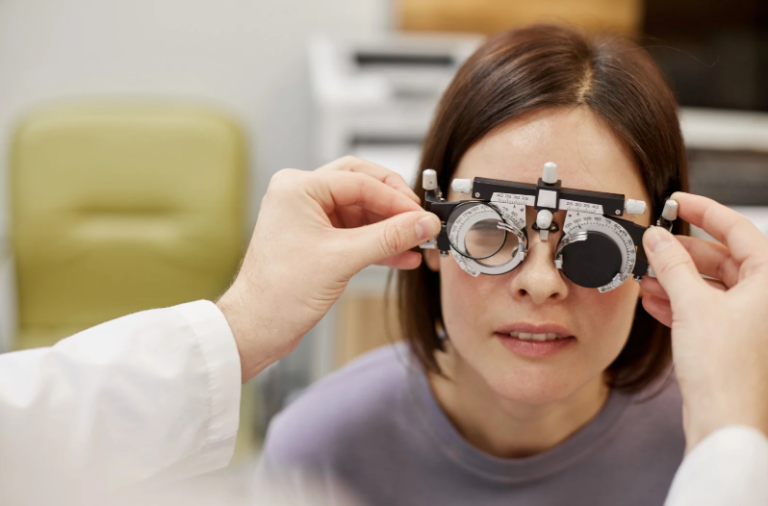
Diagnosis of Low Vision typically involves a comprehensive eye examination by a specialist. Early identification allows for better management strategies, helping patients maintain independence and improve their quality of life.
Common Causes of Low Vision in Adults
Age-Related Macular Degeneration (AMD)
One of the leading causes of Low Vision in adults is Age-Related Macular Degeneration. This condition affects the macula, the part of the retina responsible for sharp central vision. As the macula deteriorates, individuals may experience blurred or distorted central vision, making it difficult to read or recognize faces. Aging and lifestyle factors such as smoking increase the risk of developing this condition.
Cataracts
Cataracts occur when the eye’s natural lens becomes cloudy, leading to blurry or dim vision. This is a very common cause of Low Vision among older adults. Symptoms often develop gradually, including difficulty seeing at night, sensitivity to light, and faded colors. Fortunately, cataracts can be treated effectively through surgery, restoring clearer vision.
Glaucoma
Glaucoma is a group of eye conditions that damage the optic nerve, often due to increased pressure inside the eye. It is known as the “silent thief of sight” because it may not show early symptoms. Over time, glaucoma can lead to permanent Low Vision, especially affecting peripheral vision. Regular eye check-ups are crucial for early detection.
Diabetic Retinopathy
Adults with diabetes are at risk of developing diabetic retinopathy, a condition that damages the blood vessels in the retina. This can lead to swelling, leakage, and eventually vision loss. Diabetic retinopathy is a major cause of Low Vision, but it can be managed with proper blood sugar control and timely medical intervention.
Retinitis Pigmentosa
Retinitis Pigmentosa is a genetic disorder that causes gradual degeneration of the retina. It often begins with night blindness and progresses to loss of peripheral vision. Over time, this condition can result in severe Low Vision, making mobility and daily activities more challenging.
Other Contributing Factors
Several additional factors can contribute to Low Vision in adults. Eye injuries or trauma can cause lasting damage that affects visual function. Long-term exposure to ultraviolet (UV) rays without proper protection can also increase the risk of eye diseases. Lifestyle choices such as smoking, poor diet, and excessive screen time may worsen eye health over time.
Skipping regular eye check-ups is another major factor. Many eye conditions develop slowly and without noticeable symptoms, making routine examinations essential in preventing or managing Low Vision.
Symptoms of Low Vision in Adults
Recognizing the symptoms of Low Vision is important for seeking timely care. Common signs include blurred or hazy vision, difficulty seeing in low light conditions, and trouble recognizing faces. Some individuals may experience a loss of central or peripheral vision, while others may become more sensitive to bright lights.
Reading small print or performing detailed tasks may become increasingly difficult. If these symptoms persist, consulting an eye specialist is highly recommended.
When to See an Eye Specialist
Any noticeable changes in vision should not be ignored. Early consultation with an eye specialist can help diagnose the underlying cause of Low Vision and prevent further deterioration. Warning signs such as sudden vision loss, persistent blurriness, or difficulty seeing at night require immediate attention.
Seeking professional care from trusted clinics like Peregrine Eye and Laser Institute ensures access to advanced diagnostic tools and experienced eye care professionals who specialize in managing Low Vision conditions.
Treatment and Management Options
Although Low Vision may not always be fully reversible, there are many ways to manage and improve visual function. Treatment depends on the underlying cause. For example, cataract surgery can restore vision, while glaucoma requires ongoing management to prevent further damage.
Corrective lenses, including specialized glasses or contact lenses, can help maximize remaining vision. Vision rehabilitation programs teach patients how to adapt and use their vision more effectively. Assistive devices such as magnifiers, screen readers, and enhanced lighting can also make daily tasks easier.
Clinics like Peregrine Eye and Laser Institute provide comprehensive Low Vision care, offering personalized treatment plans tailored to each patient’s needs.
Tips to Prevent Vision Loss
Preventing Low Vision starts with maintaining a healthy lifestyle. Eating a balanced diet rich in vitamins A, C, and E supports eye health. Managing chronic conditions like diabetes and hypertension is also crucial in reducing the risk of vision complications.
Wearing sunglasses that protect against UV rays can prevent damage from sun exposure. Avoiding smoking and limiting screen time can further protect your eyes. Most importantly, scheduling regular eye exams helps detect potential issues early before they progress into Low Vision.
Takeaway
Low Vision is a serious condition that can affect independence and overall quality of life. Understanding its causes, recognizing early symptoms, and seeking professional care are essential steps in managing this condition. With proper treatment and preventive measures, many individuals with Low Vision can continue to lead active and fulfilling lives. Trusted providers like Peregrine Eye and Laser Institute offer the expertise and comprehensive care needed to address Low Vision effectively and safely.
FAQs About Low Vision in Adults
Can Low Vision be cured?
Low Vision cannot always be completely cured, but many treatments and assistive devices can help improve quality of life and maximize remaining vision.
At what age does Low Vision usually start?
Low Vision is more common in older adults, but it can occur at any age depending on underlying conditions such as diabetes or genetic disorders.
Is Low Vision permanent?
Some causes of Low Vision are permanent, while others, like cataracts, can be treated effectively. Early diagnosis plays a key role in determining outcomes.
How can I slow down vision loss?
Maintaining a healthy lifestyle, managing medical conditions, protecting your eyes from UV exposure, and attending regular eye check-ups can help slow down the progression of Low Vision.
What is the best treatment for Low Vision?
The best treatment depends on the cause. Consulting experts at Peregrine Eye and Laser Institute ensures proper diagnosis and access to the most effective treatment options available.