Glaucoma is a serious eye condition that affects millions worldwide and can lead to permanent vision loss if left untreated. Many individuals diagnosed with glaucoma ask a critical question: can glaucoma treatment restore lost vision? Understanding how glaucoma impacts the eyes and what treatment can achieve is essential for managing this condition effectively. Peregrine Eye and Laser Institute provides comprehensive solutions for patients seeking expert glaucoma care.
Understanding Glaucoma
Glaucoma is a group of eye diseases that damage the optic nerve, which connects the eyes to the brain. This damage is often caused by elevated intraocular pressure, although some types, like normal-tension glaucoma, can occur even with normal eye pressure. Open-angle glaucoma is the most common form, progressing slowly and often unnoticed until significant vision loss occurs. Angle-closure glaucoma, though less common, can develop rapidly and requires urgent treatment. Vision loss from glaucoma typically starts at the periphery and can advance to central vision if untreated. Understanding these mechanisms underscores the importance of timely glaucoma treatment to protect remaining vision.
How Glaucoma Treatment Works
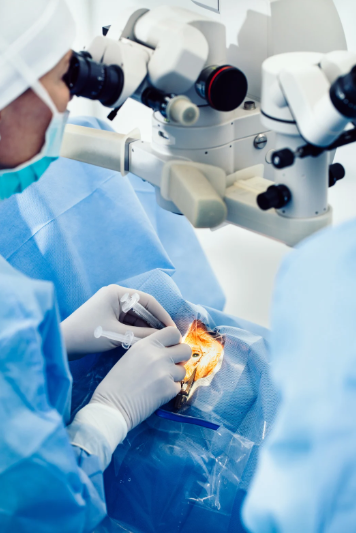
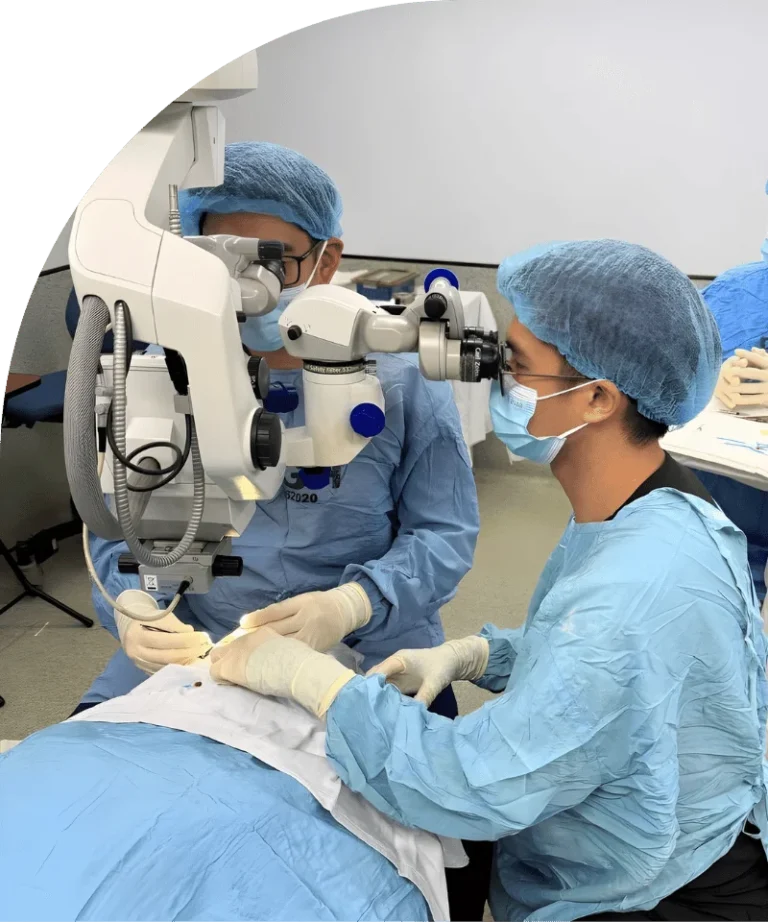
Glaucoma treatment focuses on reducing intraocular pressure to prevent further damage to the optic nerve. Medications, usually in the form of eye drops, are the first line of defense. These drops work by either decreasing the production of fluid in the eye or improving its outflow, thereby lowering pressure. Laser therapy offers another effective approach, using targeted energy to enhance fluid drainage or create new drainage channels. Surgical interventions may be necessary for advanced cases, establishing long-term pressure control when medications and laser treatments are insufficient. Each form of glaucoma treatment is designed to halt disease progression and preserve as much vision as possible. Peregrine Eye and Laser Institute offers all these treatment modalities, ensuring personalized care tailored to each patient’s needs.
Can Glaucoma Treatment Restore Lost Vision?
While glaucoma treatment is highly effective at slowing or stopping further vision loss, it generally cannot restore vision that has already been lost. Once optic nerve fibers are damaged, the lost visual function is typically permanent. This limitation highlights the importance of early detection and proactive management. Emerging research, however, is exploring neuroprotective strategies and regenerative therapies aimed at repairing optic nerve damage. Although these treatments are still experimental, they offer hope for future options in vision restoration. For now, the primary goal of glaucoma treatment remains preserving remaining vision and maintaining quality of life.
Importance of Early Diagnosis
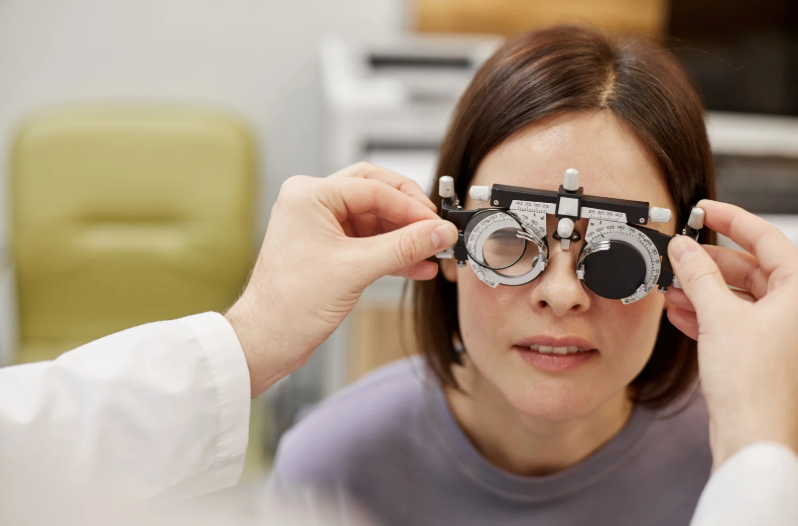
Early diagnosis is crucial for the success of glaucoma treatment. Symptoms often go unnoticed until significant damage has occurred, which makes regular eye exams essential, especially for high-risk individuals. People with a family history of glaucoma, those over 40, and patients with diabetes or high blood pressure should undergo frequent screenings. Detecting glaucoma early allows for timely intervention, maximizing the effectiveness of glaucoma treatment and preventing further loss. Peregrine Eye and Laser Institute emphasizes comprehensive eye evaluations, ensuring that patients receive early and accurate diagnosis to safeguard their vision.
Supporting Eye Health Alongside Treatment
Lifestyle and general eye care can complement glaucoma treatment. Maintaining a balanced diet rich in antioxidants, exercising regularly, and controlling blood pressure support overall eye health. Avoiding activities that strain the eyes excessively and staying hydrated also contribute to preserving vision. While these measures cannot reverse vision loss, they enhance the effectiveness of glaucoma treatment and help protect remaining sight. Patients under the care of Peregrine Eye and Laser Institute receive guidance on integrating lifestyle practices that support long-term eye health alongside their prescribed treatment plan.
Choosing the Right Eye Care Provider
Selecting the right specialist is vital for managing glaucoma effectively. Ophthalmologists with experience in advanced glaucoma treatment provide accurate diagnosis, appropriate therapy selection, and ongoing monitoring. Peregrine Eye and Laser Institute is renowned for its expertise in glaucoma management, offering state-of-the-art diagnostic tools and treatment options. Their team focuses on personalized care, ensuring patients receive the best possible outcomes through consistent monitoring and tailored glaucoma treatment plans. Choosing a trusted provider significantly enhances the ability to protect vision and slow disease progression.
Takeaway
Glaucoma treatment plays a critical role in managing this potentially blinding condition. While it cannot restore vision that has already been lost, it is highly effective in preserving remaining sight and preventing further deterioration. Early diagnosis, regular eye exams, and adherence to treatment plans are essential for maintaining eye health. Patients seeking expert glaucoma care can rely on Peregrine Eye and Laser Institute for comprehensive, personalized management to protect their vision and improve quality of life.
Frequently Asked Questions (FAQ)
Can glaucoma vision loss be reversed?
Glaucoma treatment cannot typically restore vision that has already been lost. The primary goal is to prevent further damage to the optic nerve and preserve remaining vision.
How effective is glaucoma treatment in preventing blindness?
With early detection and consistent management, glaucoma treatment is highly effective in slowing disease progression and reducing the risk of blindness.
Are there new treatments for restoring vision?
Research is ongoing in neuroprotection and regenerative therapies. While promising, these treatments are not yet widely available for reversing vision loss from glaucoma.
How often should I have my eyes checked if I have glaucoma?
Patients with glaucoma or at high risk should have regular eye exams every 3 to 12 months, depending on the severity of the condition and the treatment plan recommended by their ophthalmologist.