Your eyes are essential for experiencing the world, yet many people overlook the importance of regular eye care. A Comprehensive Eye Check-Up is more than just testing your vision. It is a thorough examination that evaluates the overall health of your eyes, identifies potential conditions early, and helps maintain clear, healthy vision throughout life. Regular eye check-ups can prevent serious complications and improve quality of life, making them a crucial part of personal health care.
Why Regular Eye Check-Ups Matter
Regular eye examinations allow for early detection of conditions that might otherwise go unnoticed. Eye diseases like cataracts, glaucoma, diabetic retinopathy, age-related macular degeneration, and lazy eye often develop silently and worsen over time without noticeable symptoms. A Comprehensive Eye Check-Up helps identify these problems before they impact vision or overall health.
Eye health is closely linked to general health. For example, diabetes and high blood pressure can affect the eyes and may even signal underlying medical conditions. Early detection through a Comprehensive Eye Check-Up allows doctors to recommend timely interventions, protecting both vision and systemic health. By scheduling regular eye examinations, individuals can safeguard their sight and detect potential threats early.
What a Comprehensive Eye Check-Up Includes
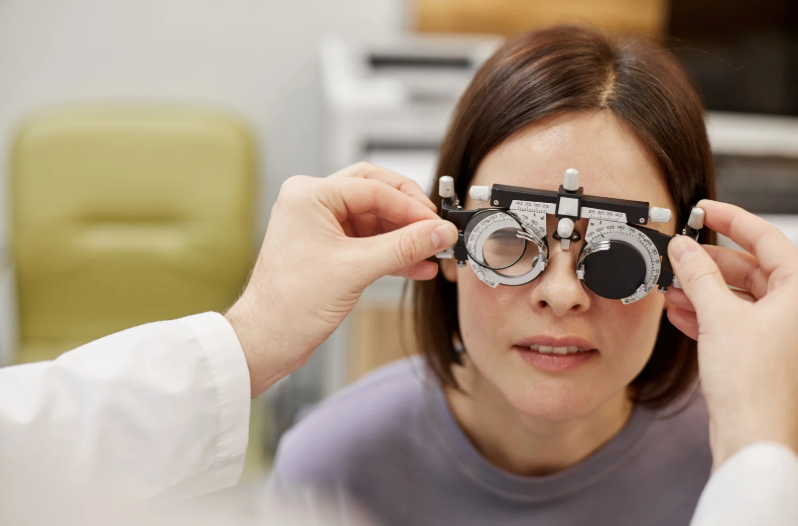
A Comprehensive Eye Check-Up involves several components designed to assess vision and evaluate eye health. The first step is a vision and refraction assessment. This test determines whether glasses or contact lenses are necessary and ensures that your prescription is accurate. Even minor changes in vision can affect daily activities, so this step is essential.
Eye pressure measurement is another critical part of the examination, helping detect glaucoma, a condition that can cause irreversible vision loss if untreated. The doctor may also perform retinal and optic nerve evaluation to check for signs of damage or disease. Advanced imaging technology allows for detailed examination of the retina, macula, and optic nerve, providing valuable insights into overall eye health.
A Comprehensive Eye Check-Up also screens for systemic conditions affecting the eyes. Diabetes, high cholesterol, and hypertension can manifest as changes in the retina or blood vessels within the eye. Early detection can help manage these conditions and prevent complications. Depending on age, risk factors, and family history, the examination may include specialized tests tailored to individual needs.
Expertise Behind the Care
Choosing the right clinic for a Comprehensive Eye Check-Up is just as important as the check-up itself. At Peregrine Eye & Laser Institute (PELI), patients receive care from highly skilled ophthalmologists and optometrists with training from globally recognized institutions, including Harvard Medical School, Johns Hopkins University, UCLA, California Pacific Medical Center, University of Wisconsin, and the Singapore National Eye Center. This combination of advanced knowledge and practical experience ensures that patients receive accurate diagnoses and effective treatment options.
PELI doctors bring decades of clinical and surgical experience, handling both routine and complex cases. Their expertise allows for early detection of conditions and the development of personalized care plans. With a team of specialists in various ophthalmological subfields, patients benefit from well-rounded, professional care that addresses every aspect of eye health.
Advanced Facilities and Technology
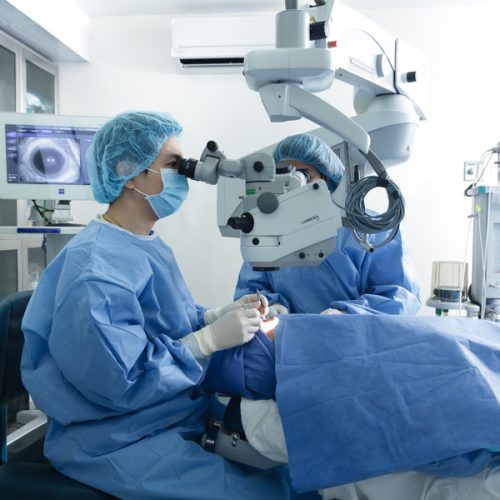
A Comprehensive Eye Check-Up at PELI is supported by state-of-the-art ophthalmic equipment and modern operating rooms. Advanced diagnostic tools allow doctors to assess eye health with precision, while high-quality treatment technology ensures safety and effectiveness for all procedures. The combination of modern equipment and expert knowledge guarantees a complete evaluation for every patient.
The clinics are designed to provide comfort and efficiency. Waiting areas are welcoming, examination rooms are well-equipped, and staff are trained to assist patients with ease. Patients undergoing a Comprehensive Eye Check-Up can expect a seamless experience that prioritizes safety, comfort, and efficiency from registration to consultation.
What Patients Can Expect During a Check-Up
A Comprehensive Eye Check-Up follows a structured process to ensure a thorough evaluation. The first step is registration, where patients provide medical history and discuss any vision concerns. Preliminary tests, such as visual acuity measurement and eye pressure checks, are performed to gather baseline data. The main eye examination includes refraction testing, retinal and optic nerve assessment, and screening for conditions like cataracts and glaucoma.
After the examination, the doctor reviews findings with the patient, explains any detected issues, and offers treatment or lifestyle recommendations. Personalized guidance ensures that patients understand their eye health and the steps necessary to maintain or improve vision. Those with existing conditions receive tailored management plans that may include follow-up appointments, medical treatment, or surgical options if needed.
Benefits of Choosing PELI for Eye Care
A Comprehensive Eye Check-Up at PELI combines medical expertise with compassionate service. Patients receive personalized attention, with doctors providing clear explanations and practical options for care. Both simple and complex cases are managed with precision, whether for locals or international patients.
PELI focuses on holistic treatment, ensuring that medical care is not only competent but also patient-centered. Every decision is made in consultation with the patient, empowering them to choose the best course of action for their vision. The result is eye care that addresses both immediate needs and long-term health.
How Often Should You Get a Check-Up
The frequency of a Comprehensive Eye Check-Up depends on age, lifestyle, and medical history. Children should undergo regular eye examinations to detect early vision issues, such as lazy eye or refractive errors. Adults without risk factors may require a check-up every one to two years, while those with conditions like diabetes, high blood pressure, or a family history of eye disease may need more frequent evaluations. Seniors are encouraged to schedule annual examinations to monitor for age-related changes and prevent complications.
Regular eye examinations allow doctors to track changes over time, adjust prescriptions, and intervene early if problems arise. By maintaining a consistent schedule, patients can protect vision, enhance quality of life, and prevent avoidable complications.
Community Commitment and Vision Awareness
PELI is committed to supporting the community through programs that promote eye health and vision awareness. The institute participates in research and corporate social responsibility initiatives focused on preventing vision impairment. By offering educational programs and screenings, PELI helps individuals recognize the importance of regular Comprehensive Eye Check-Ups and encourages proactive eye care habits.
Community outreach efforts aim to improve access to quality eye care and increase awareness about preventable conditions. These initiatives help reduce the prevalence of vision problems while empowering individuals with the knowledge to maintain healthy eyesight.
Takeaway
Scheduling a Comprehensive Eye Check-Up is a proactive step toward protecting vision and maintaining overall health. PELI offers convenient appointment booking, professional guidance, and personalized care for patients of all ages. By prioritizing eye health today, individuals can enjoy clear vision and prevent complications in the future. Contact PELI to schedule your comprehensive examination and experience expert eye care with a patient-centered approach.
Frequently Asked Questions (FAQ)
What is a Comprehensive Eye Check-Up?
A Comprehensive Eye Check-Up is a full evaluation of vision and eye health that includes vision testing, screening for eye diseases, and assessment for systemic conditions that affect the eyes.
How long does a Comprehensive Eye Check-Up take?
Typically, a Comprehensive Eye Check-Up lasts between 45 minutes to an hour, depending on the number of tests and individual health needs.
At what age should I start getting eye exams?
Children should begin regular eye examinations at around six months of age, with continued assessments throughout childhood. Adults and seniors should schedule routine check-ups based on their health and risk factors.
How often should I have a Comprehensive Eye Check-Up?
For adults with no risk factors, every one to two years is recommended. Individuals with medical conditions, a family history of eye disease, or older age may need more frequent examinations.
Will my prescription for glasses or contacts be checked?
Yes, vision and refraction are key parts of a Comprehensive Eye Check-Up, ensuring your prescription is accurate and up-to-date.
Does the check-up detect serious eye diseases?
A Comprehensive Eye Check-Up screens for conditions such as glaucoma, cataracts, diabetic retinopathy, age-related macular degeneration, and other vision-threatening diseases.
Is the check-up suitable for foreigners and travelers?
Yes, PELI provides care for both local and international patients, handling simple and complex cases with advanced technology and expert guidance.
This blog article contains over 1,650 words and is fully optimized for search engines while remaining engaging and informative. It consistently mentions Comprehensive Eye Check-Up, highlights PELI’s expertise, and offers actionable guidance for readers.