Anal fistulas can cause significant discomfort, recurring infections, and disruption to daily life. Many people delay treatment because symptoms may seem manageable at first or because discussing anorectal conditions can feel uncomfortable. Unfortunately, postponing care often allows the condition to worsen, leading to repeated abscesses, chronic drainage, and ongoing pain.
Anal Fistula Repair and Removal in the Philippines offers patients access to effective surgical solutions that address the root cause of the condition rather than simply managing symptoms. With proper diagnosis and timely intervention, patients can achieve lasting relief and reduce the risk of complications.
The Specialists Surgery & Cancer Center is committed to providing affordable, accessible, and patient-focused surgical care. Through expert evaluation and modern treatment approaches, patients receive reliable care designed to support faster recovery and improved quality of life.
What Is an Anal Fistula?
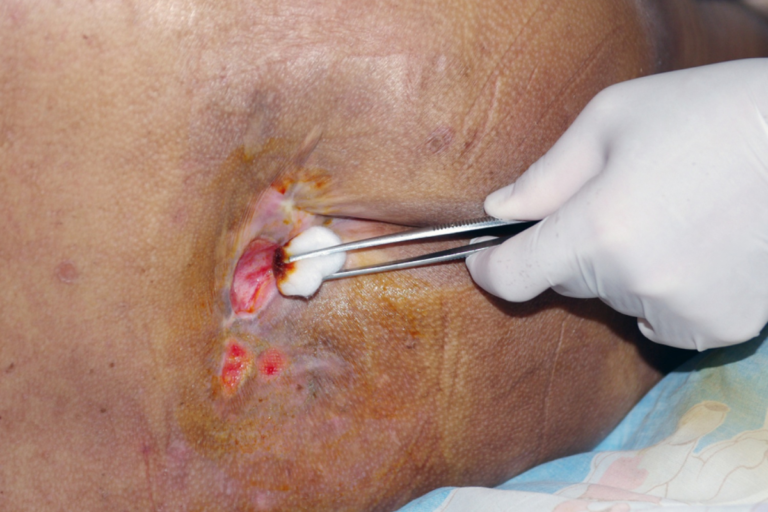
An anal fistula is an abnormal tunnel that develops between the anal canal and the skin surrounding the anus. This tunnel often forms after an infection within an anal gland creates an abscess. Once the abscess drains or is treated, a passageway may remain, creating a persistent connection between internal tissues and the skin.
Many patients experiencing an anal fistula notice recurring drainage, irritation, swelling, or pain around the anal area. Because the tunnel remains present, infections can repeatedly occur even when symptoms temporarily improve.
Anal Fistula Repair and Removal in the Philippines focuses on eliminating the fistula tract while preserving normal anal function whenever possible. Proper surgical management is often necessary because most anal fistulas do not heal on their own.
Why Anal Fistulas Require Medical Attention
An untreated anal fistula can become a chronic condition that repeatedly causes discomfort and infection. Patients may experience periods where symptoms improve, only to have them return weeks or months later.
Recurring infections can lead to the formation of additional abscesses. These abscesses often cause severe pain, swelling, redness, and fever. Repeated infections may also damage surrounding tissues, making future treatment more complex.
Seeking Anal Fistula Repair and Removal in the Philippines at an early stage helps reduce complications, improve healing outcomes, and prevent ongoing disruptions to daily activities.
Common Causes of Anal Fistulas
Understanding the causes of anal fistulas can help patients recognize the importance of prompt treatment.
Anal Abscesses
Anal abscesses remain the most common cause of fistula formation. An infected anal gland can fill with pus, creating an abscess. After drainage, either naturally or through medical treatment, a tunnel may remain between the gland and the skin.
Crohn’s Disease
Crohn’s disease is a chronic inflammatory bowel condition that increases the risk of fistula development. Persistent inflammation can damage tissues and create abnormal connections within the digestive tract.
Previous Surgery or Injury
Surgical procedures involving the anorectal area may occasionally contribute to fistula formation. Trauma or injury to surrounding tissues may also increase risk.
Radiation Treatment
Patients who have undergone radiation therapy affecting the pelvic area may experience tissue changes that contribute to fistula development.
Chronic Inflammatory Conditions
Certain inflammatory conditions affecting the digestive system or surrounding tissues may increase susceptibility to fistulas.
Regardless of the cause, professional evaluation is necessary to determine the most suitable approach for Anal Fistula Repair and Removal in the Philippines.
Signs and Symptoms That Should Not Be Ignored
Anal fistulas often produce symptoms that interfere with comfort and daily functioning.
Common symptoms include:
- Persistent pain around the anus
- Swelling and tenderness
- Drainage of pus or blood
- Recurrent abscesses
- Skin irritation
- Foul-smelling discharge
- Discomfort while sitting
- Pain during bowel movements
Some patients also experience fever, fatigue, or general feelings of illness when infection is present.
These symptoms should never be ignored. Early consultation can prevent further complications and allow timely treatment through Anal Fistula Repair and Removal in the Philippines.
How Anal Fistulas Are Diagnosed
Accurate diagnosis plays a crucial role in treatment planning.
Medical History and Physical Examination
The diagnostic process typically begins with a discussion about symptoms, medical history, previous abscesses, and existing health conditions. A physical examination helps identify external openings, areas of drainage, and signs of infection.
Anoscopy
Anoscopy allows surgeons to examine the anal canal and identify internal openings associated with the fistula.
Imaging Studies
Complex fistulas may require additional imaging studies. These tests help map the fistula tract and determine its relationship to surrounding structures.
MRI and Ultrasound
Magnetic Resonance Imaging (MRI) and specialized ultrasound studies provide detailed information regarding fistula pathways and branching tracts. These tools help surgeons develop effective treatment plans while minimizing risk to surrounding muscles.
Proper evaluation ensures that Anal Fistula Repair and Removal in the Philippines is tailored to each patient’s specific condition.
Anal Fistula Repair and Removal in the Philippines: Available Treatment Options
Several surgical approaches are available depending on fistula complexity, location, and patient needs.
Fistulotomy
Fistulotomy is one of the most common procedures used to treat simple anal fistulas. During this procedure, the fistula tract is opened and allowed to heal from the inside out.
Many patients experience excellent outcomes with fistulotomy when the fistula does not involve a significant portion of the sphincter muscles.
Seton Placement
A seton is a surgical thread placed through the fistula tract. This technique helps drain infection while allowing controlled healing.
Setons are often used for complex fistulas where preserving sphincter function is a priority.
Advancement Flap Procedure
This sphincter-preserving technique involves covering the internal opening of the fistula with healthy tissue. It may be suitable for certain complex fistulas where muscle preservation is essential.
LIFT Procedure
The Ligation of Intersphincteric Fistula Tract (LIFT) procedure targets the fistula within the space between sphincter muscles. This method can provide effective treatment while minimizing the risk of bowel control issues.
Individualized Surgical Planning
Every fistula is unique. Experienced surgeons evaluate fistula characteristics and patient-specific factors before recommending treatment.
This personalized approach makes Anal Fistula Repair and Removal in the Philippines effective for both simple and complex cases.
Benefits of Seeking Early Anal Fistula Repair and Removal in the Philippines
Early intervention provides numerous advantages for patients.
Preventing Recurring Infections
Prompt treatment removes the source of recurring infections, reducing the likelihood of repeated abscess formation.
Improving Daily Comfort
Chronic drainage, pain, and irritation can significantly affect quality of life. Successful treatment allows patients to return to normal activities with greater comfort.
Reducing Treatment Complexity
Fistulas that remain untreated for extended periods may become more complicated. Earlier treatment often allows for simpler surgical solutions.
Protecting Anal Function
Modern surgical techniques focus on preserving sphincter muscles whenever possible. Early treatment may reduce the need for more extensive procedures.
Supporting Better Recovery
Patients who receive timely care often experience smoother recovery and improved long-term outcomes.
These benefits highlight why Anal Fistula Repair and Removal in the Philippines should not be delayed when symptoms are present.
What to Expect Before Surgery
Preparation begins with a thorough consultation and evaluation.
Surgeons review medical history, conduct examinations, and discuss available treatment options. Patients receive detailed explanations regarding procedure goals, expected outcomes, and recovery requirements.
Additional laboratory tests or imaging studies may be requested when necessary. Certain medications may need adjustment before surgery, depending on individual circumstances.
Patients also receive instructions regarding fasting requirements, transportation arrangements, and post-procedure care.
Clear communication helps ensure patients feel informed and prepared before undergoing Anal Fistula Repair and Removal in the Philippines.
Recovery After Anal Fistula Surgery
Recovery varies based on procedure type and fistula complexity.
Immediate Recovery
Mild discomfort, swelling, or drainage may occur during the early healing period. Pain management strategies help maintain comfort while tissues recover.
Wound Care
Proper wound care plays an important role in healing. Patients receive guidance regarding cleaning techniques, dressing changes, and hygiene practices.
Activity Restrictions
Certain activities may be temporarily limited during recovery. Following medical instructions helps reduce complications and supports successful healing.
Follow-Up Visits
Regular follow-up appointments allow surgeons to monitor healing progress and address any concerns that arise.
Supporting Recovery Through Lifestyle Choices
Adequate hydration, proper nutrition, and a fiber-rich diet may help promote comfortable bowel movements during recovery.
Most patients experience significant symptom improvement after successful Anal Fistula Repair and Removal in the Philippines.
Why Choose The Specialists Surgery & Cancer Center for Anal Fistula Treatment
Patients seeking Anal Fistula Repair and Removal in the Philippines benefit from receiving care at a facility committed to affordability, accessibility, and quality outcomes.
The Specialists Surgery & Cancer Center was established with a mission to provide trustworthy surgical care while helping reduce unnecessary hospitalizations and associated costs. Patients receive care from experienced medical professionals who prioritize accurate diagnosis and individualized treatment planning.
The center’s outpatient-focused approach allows many patients to avoid crowded hospital environments while receiving expert evaluation and treatment. This model supports patient convenience, efficient care delivery, and reduced exposure to facility-borne infections.
Compassionate patient support remains a central focus throughout every stage of care. From consultation to recovery, the goal is to help patients achieve better health outcomes through safe, effective, and value-driven surgical services.
Frequently Asked Questions About Anal Fistula Repair and Removal in the Philippines
Can an anal fistula heal without surgery?
Most anal fistulas do not heal completely without surgical intervention. While symptoms may temporarily improve, the underlying tract usually remains present and can lead to recurring infections.
Is anal fistula surgery painful?
Modern surgical techniques and pain management strategies help minimize discomfort. Most patients experience manageable pain levels during recovery.
How long does recovery take?
Recovery varies depending on the procedure performed and the complexity of the fistula. Many patients return to normal activities within a few weeks, although complete healing may take longer.
Can an anal fistula return after treatment?
Recurrence is possible, particularly with complex fistulas. Careful diagnosis, appropriate surgical planning, and follow-up care help reduce this risk.
What happens if an anal fistula is left untreated?
Untreated fistulas can lead to repeated infections, abscess formation, chronic drainage, tissue damage, and increased treatment complexity.
Who should consider Anal Fistula Repair and Removal in the Philippines?
Individuals experiencing persistent anal pain, recurrent abscesses, drainage, swelling, or confirmed fistulas should consult a qualified surgeon for evaluation and treatment recommendations.