Bed sores, also known as pressure ulcers, can quickly become serious health concerns when not addressed properly. A well-structured assessment process plays a crucial role in ensuring effective bed sore treatment and preventing complications. Proper evaluation allows healthcare providers to understand the severity of the wound, identify underlying causes, and create a targeted care plan that supports faster healing and patient comfort.
Understanding Bed Sores
Bed sores develop due to prolonged pressure on the skin, often affecting individuals with limited mobility. Common areas include the lower back, hips, heels, and elbows. Factors such as poor nutrition, moisture, and chronic illnesses increase the likelihood of developing these wounds. Recognizing the early signs is essential for timely bed sore treatment, as early-stage sores are much easier to manage and heal compared to advanced wounds.
Why the Assessment Process Matters
A thorough assessment is the foundation of successful bed sore treatment. Without it, wounds may worsen, leading to infection or deeper tissue damage. Assessment helps determine the stage of the sore, evaluate risk factors, and guide healthcare providers in selecting appropriate treatment methods. It also ensures that care is personalized, addressing each patient’s unique condition and needs.
Initial Patient Evaluation
The first step in the bed sore treatment assessment process involves a comprehensive evaluation of the patient. This includes reviewing medical history to identify conditions that may affect healing, such as diabetes or vascular disease. Mobility and activity levels are assessed to understand how often pressure is relieved from vulnerable areas. Nutritional status is also examined, as proper nutrition supports tissue repair. Skin inspection and pain assessment further help in identifying existing sores and discomfort levels, allowing for a more accurate bed sore treatment plan.
Bed Sore Classification and Staging
Staging is a critical component of bed sore treatment assessment. Pressure ulcers are categorized from Stage 1 to Stage 4, depending on their severity. Stage 1 involves redness and intact skin, while Stage 4 includes deep wounds affecting muscles and bones. Some wounds may be unstageable due to coverage by dead tissue. Accurate staging ensures that the chosen bed sore treatment aligns with the wound’s condition, reducing the risk of complications and improving healing outcomes.
Wound Assessment Techniques
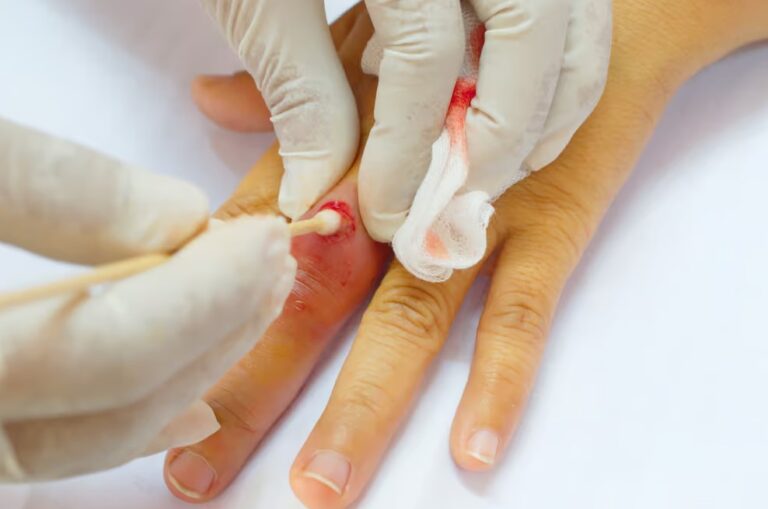
Detailed wound assessment provides valuable insights for effective bed sore treatment. Healthcare providers measure the wound’s length, width, and depth to track progress over time. Tissue evaluation helps identify whether the wound contains healthy granulation tissue or necrotic material that needs removal. Signs of infection, such as redness, swelling, or unusual discharge, are carefully noted. Odor and drainage levels are also assessed, as they can indicate underlying issues. Proper documentation ensures consistency in monitoring and supports adjustments in bed sore treatment when necessary.
Risk Assessment Tools
Risk assessment tools are widely used to predict the likelihood of developing bed sores. Scales such as the Braden Scale evaluate factors like sensory perception, moisture, activity, mobility, nutrition, and friction. These tools are essential in guiding preventive strategies and early bed sore treatment. By identifying high-risk patients, caregivers can take proactive steps to reduce pressure and protect vulnerable areas.
Identifying Underlying Causes
Effective bed sore treatment goes beyond addressing the visible wound. Identifying the root causes is equally important. Pressure from prolonged sitting or lying down is the most common factor, but friction and shear forces also contribute. Moisture from sweat or incontinence can weaken the skin, making it more prone to damage. Circulatory problems and chronic conditions may slow healing. Addressing these issues ensures a more comprehensive approach to bed sore treatment and reduces the chances of recurrence.
Developing a Personalized Treatment Plan
A tailored care plan is essential for successful bed sore treatment. This includes selecting appropriate wound dressings that maintain a clean and moist healing environment. Pressure relief strategies, such as repositioning schedules and specialized mattresses, help minimize further damage. Nutritional support, including adequate protein and hydration, promotes tissue repair. Pain management is also a key consideration, ensuring patient comfort throughout the healing process. Engaging professionals like Kalingap Wound Care Clinic ensures that every aspect of the treatment plan is handled with expertise and precision.
Monitoring and Reassessment
Continuous monitoring is a vital part of bed sore treatment. Wounds should be reassessed regularly to track healing progress and detect any signs of deterioration. Adjustments to the treatment plan may be necessary based on changes in the wound’s condition. Caregivers and healthcare professionals play an important role in maintaining consistency and ensuring that the patient receives proper care at all times. Kalingap Wound Care Clinic provides ongoing support and expert guidance, making them a reliable partner in long-term wound management.
Common Mistakes in Bed Sore Assessment
Several common mistakes can hinder effective bed sore treatment. Delayed diagnosis often allows wounds to progress to more severe stages. Inaccurate staging can lead to inappropriate treatment methods. Ignoring early warning signs, such as persistent redness, may result in complications. Poor documentation can also affect continuity of care. Avoiding these mistakes requires attention to detail and a commitment to thorough assessment practices.
When to Seek Professional Help
Certain situations require immediate professional intervention for proper bed sore treatment. Signs such as increased pain, foul odor, pus, or rapid wound progression indicate possible infection or complications. Seeking expert care ensures that the condition is managed effectively. Kalingap Wound Care Clinic stands out as a trusted provider, offering specialized services that address both simple and complex wound care needs.
Takeaway
A structured and thorough assessment process is the backbone of effective bed sore treatment. From initial evaluation to ongoing monitoring, each step plays a critical role in ensuring successful healing. Early detection, accurate staging, and personalized care plans significantly improve outcomes and reduce complications. Partnering with experienced professionals like Kalingap Wound Care Clinic ensures that patients receive the highest standard of care and support throughout their recovery journey.
FAQ Section
1. What is the first step in bed sore treatment assessment?
The first step involves evaluating the patient’s overall health, mobility, and skin condition to identify risk factors and existing wounds.
2. How often should bed sores be assessed?
Regular assessment is recommended, often daily or as advised by healthcare professionals, to monitor healing and adjust treatment plans.
3. Can bed sores heal without professional assessment?
Mild cases may improve with basic care, but professional assessment ensures proper bed sore treatment and reduces the risk of complications.
4. What tools are used in assessing bed sores?
Healthcare providers use measurement tools, staging systems, and risk assessment scales to evaluate and monitor wounds.
5. Why is staging important in bed sore treatment?
Staging determines the severity of the wound and guides the selection of appropriate treatment methods for effective healing.