Uveitis is a serious eye condition that involves inflammation inside the eye. Left untreated, it can lead to permanent vision loss. Uveitis Treatment is designed to manage this inflammation effectively, reduce discomfort, and prevent long-term complications. At Peregrine Eye and Laser Institute, patients receive advanced care that combines modern technology with personalized treatment plans, ensuring every case of uveitis is addressed with precision and expertise.
Patients experiencing symptoms such as red eyes, blurred vision, light sensitivity, or floaters should consider seeking Uveitis Treatment as soon as possible. Prompt diagnosis and care are critical to preserving vision and improving quality of life.
What is Uveitis?
Uveitis refers to inflammation of the uvea, the middle layer of the eye, which consists of the iris, ciliary body, and choroid. This inflammation can affect the front, middle, or back part of the eye, leading to anterior, intermediate, posterior, or pan-uveitis. Uveitis can develop suddenly and resolve quickly, or it can become a chronic condition requiring ongoing monitoring and management.
Uveitis Treatment focuses on addressing the underlying cause of inflammation and protecting other parts of the eye that may be affected. The condition is more than just an eye infection or irritation. It can have significant consequences if ignored, including cataracts, glaucoma, retinal damage, and permanent vision loss. Recognizing the need for professional Uveitis Treatment is the first step in safeguarding vision.
Symptoms to Watch For
Patients seeking Uveitis Treatment often report a range of symptoms that signal inflammation within the eye. Common symptoms include red eyes, which can appear as mild irritation or severe redness. Eye pain may accompany redness, particularly when looking at bright light or performing routine tasks.
Sensitivity to light, known as photophobia, is another symptom indicating the need for Uveitis Treatment. Patients may notice discomfort or even sharp pain when exposed to normal light levels. Floaters, or tiny shapes moving across the field of vision, are also a warning sign. Blurred vision, whether sudden or gradual, is a critical symptom that requires immediate evaluation by specialists in Uveitis Treatment.
Early recognition of these symptoms allows for timely intervention, preventing further eye damage and ensuring more effective Uveitis Treatment.
Causes of Uveitis
Uveitis Treatment varies depending on the underlying cause of inflammation. One common cause is infection. Bacterial, viral, or fungal infections can trigger inflammation inside the eye, requiring specialized Uveitis Treatment that targets the infection while controlling inflammation.
Autoimmune conditions are another major cause of uveitis. Diseases such as Lupus or Rheumatoid Arthritis can cause the immune system to mistakenly attack healthy eye tissue. Uveitis Treatment for autoimmune cases often involves medications that suppress immune activity to prevent further eye damage.
Eye injury or trauma can also lead to uveitis. Even minor injuries may trigger inflammation that, if untreated, worsens over time. Some cases of uveitis are idiopathic, meaning the cause is unknown, but Uveitis Treatment is still essential to manage symptoms and prevent complications.
Treatment Options for Uveitis
Uveitis Treatment is highly individualized, tailored to the cause, severity, and location of inflammation within the eye. Steroids are often the first line of treatment for non-infectious uveitis. They reduce inflammation and help restore vision. Steroids may be administered as eye drops, oral medications, or injections, depending on the case.
For infectious uveitis, Uveitis Treatment includes antibiotics, antivirals, or antifungal medications to address the underlying infection while controlling inflammation. Immunosuppressive medications are used for autoimmune-related uveitis, helping to prevent the immune system from attacking healthy eye tissue.
Chronic uveitis may require long-term management to prevent relapses and protect vision. Regular monitoring, follow-up appointments, and adjustments in medications are essential components of successful Uveitis Treatment. Early intervention and consistent care dramatically increase the likelihood of preserving vision and improving overall eye health.
Why Choose Peregrine Eye and Laser Institute for Uveitis Treatment
Peregrine Eye and Laser Institute has established itself as a leading provider of Uveitis Treatment in Metro Manila. The institute offers a team of highly trained specialists with experience in managing all forms of uveitis. Doctors at Peregrine Eye and Laser Institute have received education and training from globally recognized institutions such as Harvard Medical School, Johns Hopkins University, University of California Los Angeles, California Pacific Medical Center, University of Wisconsin, and Singapore National Eye Centre.
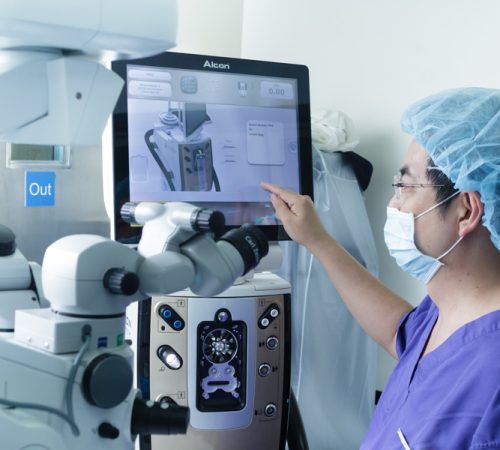
Patients seeking Uveitis Treatment benefit from advanced diagnostic tools, state-of-the-art surgical facilities, and a team dedicated to personalized care. The institute’s approach combines scientific precision with patient comfort, ensuring every step of treatment is tailored to individual needs.
With clinics located in Makati, Manila, and Quezon City, Peregrine Eye and Laser Institute provides convenient access to specialized Uveitis Treatment for patients across Metro Manila.
What to Expect During Your Visit
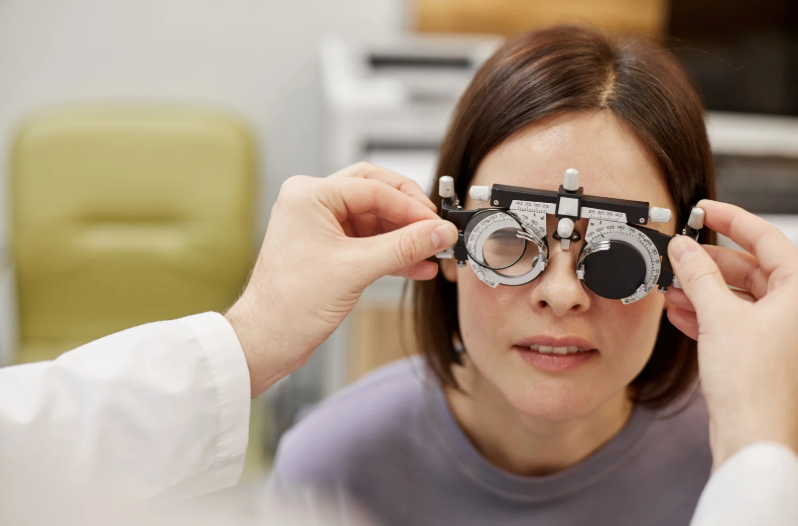
When patients come for Uveitis Treatment at Peregrine Eye and Laser Institute, they receive a thorough eye examination using advanced imaging techniques. Specialists carefully assess the extent of inflammation, identify underlying causes, and develop a personalized treatment plan.
Patients are informed about every aspect of their treatment, including medications, potential procedures, and expected outcomes. Staff members are trained to provide compassionate support, ensuring a comfortable and stress-free experience during consultations and treatment.
Follow-up appointments are an important part of Uveitis Treatment. Regular monitoring allows specialists to adjust medications, track progress, and prevent potential relapses. Continuous care is essential for maintaining vision and ensuring long-term eye health.
Prevention and Eye Health Tips
Preventing uveitis relapses and maintaining overall eye health are critical aspects of Uveitis Treatment. Patients should schedule regular eye check-ups, especially if they have a history of autoimmune conditions or previous eye inflammation.
Managing underlying health issues, such as Lupus or Rheumatoid Arthritis, can reduce the risk of recurrent uveitis. Awareness of early symptoms allows for prompt Uveitis Treatment, preventing complications and preserving vision.
Healthy lifestyle habits, such as avoiding eye injuries, maintaining proper hygiene, and protecting eyes from excessive sunlight, can also contribute to eye health. Patients are encouraged to follow specialist guidance for long-term prevention and management.
Takeaway
Uveitis Treatment is essential for anyone experiencing symptoms of eye inflammation. Prompt diagnosis and personalized care can prevent permanent vision loss and improve quality of life. Peregrine Eye and Laser Institute combines advanced technology, expert doctors, and patient-focused service to provide the highest standard of Uveitis Treatment in Metro Manila.
Protecting your vision starts with recognizing the signs of uveitis and seeking expert care. Schedule a consultation at Peregrine Eye and Laser Institute today to receive comprehensive, effective, and compassionate Uveitis Treatment.
Frequently Asked Questions (FAQ)
What is uveitis and why does it occur?
Uveitis is inflammation of the uvea, the middle layer of the eye. It can occur due to infections, autoimmune conditions, eye injuries, or sometimes for unknown reasons. Uveitis Treatment addresses the cause of inflammation and helps protect vision.
What are common symptoms of uveitis?
Symptoms include red eyes, eye pain, blurred vision, floaters, and sensitivity to light. Noticing these signs early and seeking Uveitis Treatment is critical for preventing complications.
How is uveitis treated?
Uveitis Treatment depends on the underlying cause. Options include steroid medications, antibiotics or antivirals for infections, and immunosuppressive drugs for autoimmune-related cases. Chronic uveitis may require long-term management.
Can uveitis cause permanent vision loss?
Yes. Untreated uveitis can lead to serious eye complications such as cataracts, glaucoma, or retinal damage. Early Uveitis Treatment reduces the risk of permanent vision loss.
Why should I choose Peregrine Eye and Laser Institute for Uveitis Treatment?
Peregrine Eye and Laser Institute offers highly trained specialists, advanced diagnostic and surgical equipment, personalized care, and multiple convenient locations in Metro Manila. This combination ensures effective and compassionate Uveitis Treatment.
How often should I follow up after Uveitis Treatment?
Follow-up visits are tailored to each patient’s condition. Regular monitoring helps track progress, adjust medications, and prevent relapses, making follow-up an important part of successful Uveitis Treatment.