Clear vision plays a crucial role in maintaining independence, safety, and overall quality of life. Cataracts, which cause the eye’s natural lens to become cloudy, can gradually interfere with daily tasks such as reading, driving, and recognizing faces. Cataract Surgery has become one of the most commonly performed and highly successful procedures worldwide, largely due to continuous advancements in medical technology.
Modern Cataract Surgery is no longer limited to simply removing a cloudy lens. Today’s approach combines precision imaging, laser-assisted techniques, and advanced intraocular lenses to deliver outstanding visual outcomes. Patients who choose Lee Tan Eye Center benefit from state-of-the-art Cataract Surgery technology, expert surgical skills, and personalized treatment plans designed for optimal results.
Understanding Cataracts and the Need for Surgery
What Are Cataracts?
Cataracts develop when proteins within the eye’s natural lens begin to break down and clump together, forming cloudy areas. This cloudiness prevents light from passing clearly to the retina, resulting in blurred or dim vision. Common symptoms include glare from headlights, faded colors, double vision in one eye, and difficulty seeing at night.
Cataract Surgery is the only effective treatment once cataracts begin to significantly affect daily activities. Eye drops or medications cannot reverse the clouding of the lens.
When Cataract Surgery Becomes Necessary
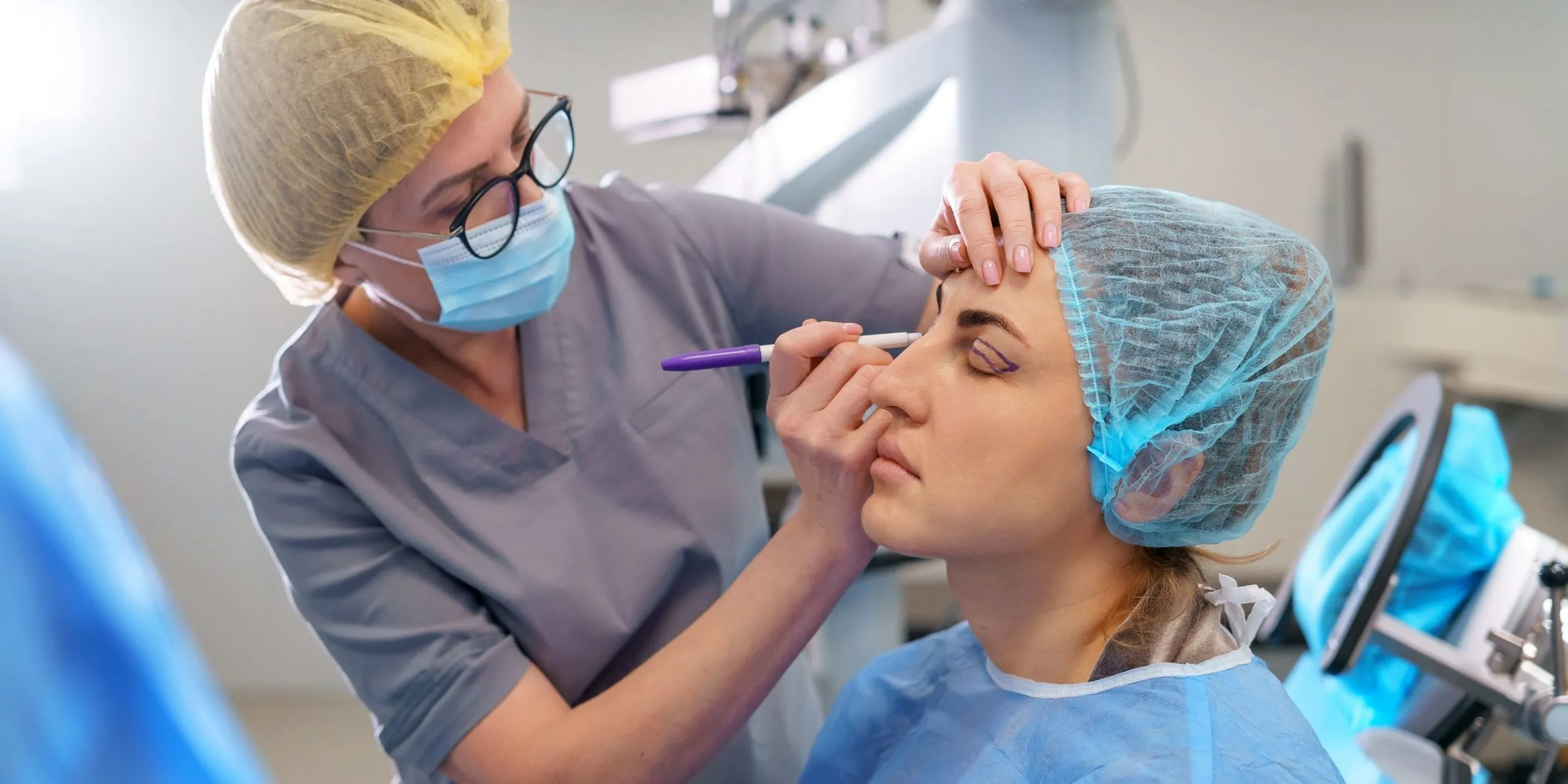
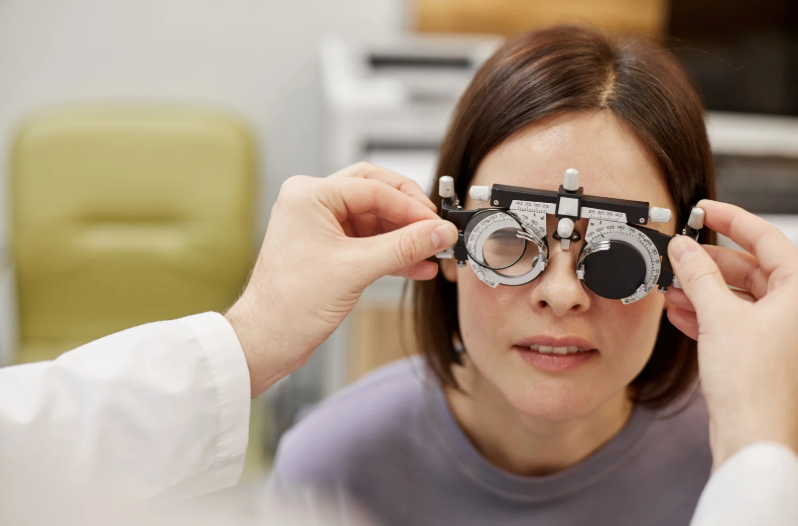
Cataract Surgery is recommended when vision impairment interferes with work, hobbies, or daily routines. Delaying treatment may lead to worsening vision and increased risk of falls or accidents. At Lee Tan Eye Center, thorough eye examinations help determine the right timing for Cataract Surgery, ensuring patients receive care when it is truly beneficial.
Evolution of Cataract Surgery Technology
Traditional Cataract Surgery Methods
Earlier Cataract Surgery techniques relied heavily on manual incisions and basic instruments. While effective, these methods required larger incisions and longer recovery times compared to today’s procedures.
Shift Toward Modern Cataract Surgery
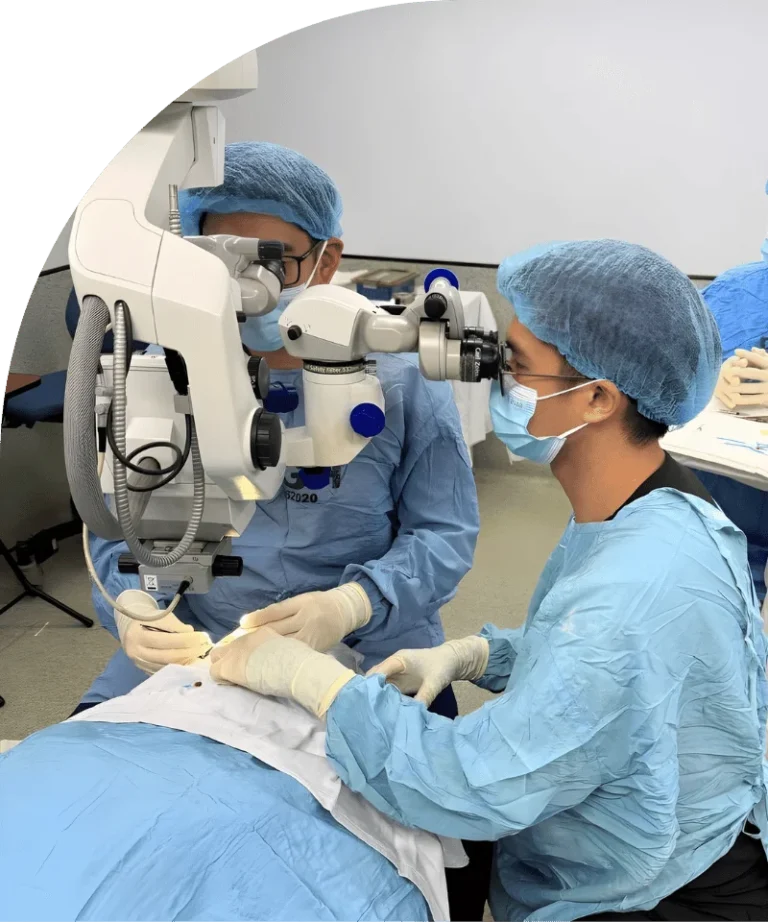
Technological advancements have transformed Cataract Surgery into a highly precise and minimally invasive procedure. Modern systems improve accuracy, reduce complications, and promote faster healing. Patients at Lee Tan Eye Center receive the advantages of these advanced Cataract Surgery innovations, leading to improved visual clarity and comfort.
Femtosecond Laser Technology in Cataract Surgery
What Is Femtosecond Laser-Assisted Cataract Surgery?
Femtosecond Laser-Assisted Cataract Surgery uses ultra-fast laser pulses to perform key steps of the procedure. The laser creates precise incisions, softens the cataract, and opens the lens capsule with exceptional accuracy. This technology enhances consistency and reduces manual variability.
Benefits of Laser Cataract Surgery
Laser-assisted Cataract Surgery offers improved precision, reduced energy use inside the eye, and better alignment of intraocular lenses. Patients often experience smoother recovery and highly predictable results. Lee Tan Eye Center incorporates advanced laser Cataract Surgery systems to ensure maximum safety and efficiency.
Advanced Imaging and Diagnostic Systems
Optical Coherence Tomography (OCT)
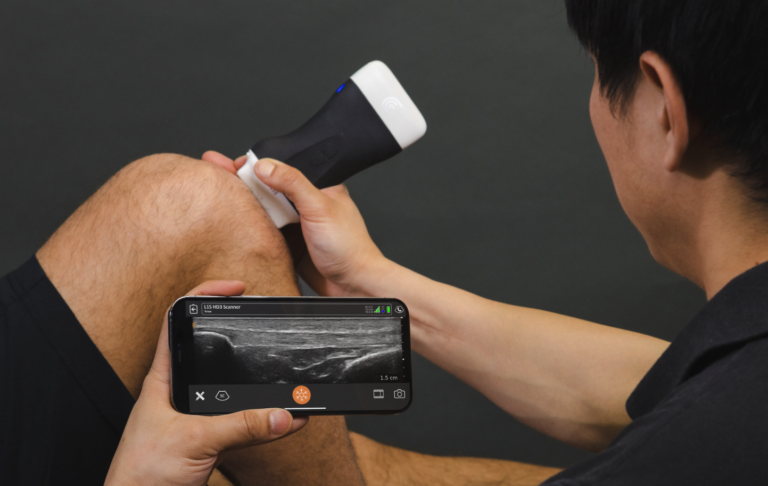
Optical Coherence Tomography provides detailed cross-sectional images of the eye’s structures. This imaging technology allows surgeons to examine the retina and lens thoroughly before Cataract Surgery. Accurate imaging supports better surgical planning and risk assessment.
3D Imaging and Digital Mapping
Modern Cataract Surgery relies on digital eye mapping systems to measure corneal curvature, eye length, and other critical parameters. These precise measurements help select the most suitable intraocular lens and determine optimal lens positioning. At Lee Tan Eye Center, advanced diagnostic equipment ensures that each Cataract Surgery plan is customized to the patient’s unique eye anatomy.
Premium Intraocular Lens (IOL) Technology
Types of Advanced IOLs
Cataract Surgery involves removing the cloudy lens and replacing it with an artificial intraocular lens (IOL). Technological advancements have expanded lens options beyond standard monofocal lenses.
Monofocal IOLs provide clear vision at one distance, usually far vision. Multifocal IOLs offer improved vision at multiple distances, reducing dependence on glasses. Toric IOLs correct astigmatism during Cataract Surgery, improving clarity for patients with irregular corneas. Extended Depth of Focus (EDOF) lenses provide a continuous range of vision with fewer visual disturbances.
Benefits of Modern Intraocular Lenses
Premium IOLs enhance visual quality and may significantly reduce reliance on glasses or contact lenses. Cataract Surgery today offers patients a chance not only to restore vision but also to improve it beyond pre-cataract levels. Lee Tan Eye Center guides patients through lens options, helping them choose the most appropriate solution for their lifestyle and visual goals.
Phacoemulsification Technology
How Phacoemulsification Works
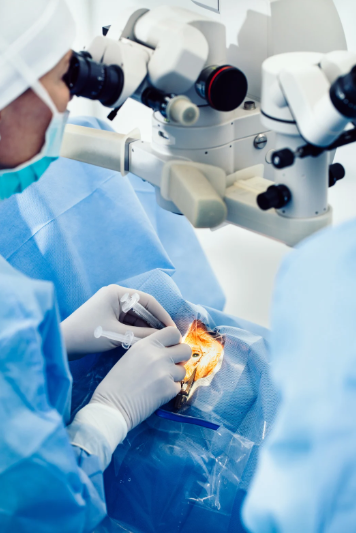
Phacoemulsification is a key component of modern Cataract Surgery. This technique uses ultrasound energy to break up the cloudy lens into tiny fragments, which are then gently removed. The small incision required for phacoemulsification promotes quicker healing and minimal discomfort.
Advantages of Modern Phaco Machines
Advanced phacoemulsification systems use refined energy control and fluid management, enhancing safety during Cataract Surgery. Smaller incisions mean reduced risk of infection and faster visual recovery. Patients at Lee Tan Eye Center benefit from these cutting-edge Cataract Surgery tools.
Robotic and Computer-Guided Cataract Surgery
Role of Computer Precision
Computer-guided systems improve alignment of intraocular lenses and assist in achieving accurate incisions. Digital tracking ensures that lens placement during Cataract Surgery is optimized for long-term visual performance.
Future of Cataract Surgery Technology
Ongoing innovations include artificial intelligence-driven diagnostics and enhanced surgical planning software. These developments continue to refine Cataract Surgery outcomes and improve patient satisfaction. Lee Tan Eye Center remains committed to adopting the latest Cataract Surgery technologies to provide world-class care.
Safety Improvements Through Advanced Technology
Advanced Cataract Surgery technology has significantly reduced complication rates. Enhanced imaging, laser precision, and modern surgical instruments contribute to greater predictability and safety. Patients typically experience less discomfort, minimal downtime, and rapid visual improvement.
Cataract Surgery at Lee Tan Eye Center emphasizes patient safety at every stage, from initial evaluation to post-operative follow-up. Comprehensive care ensures optimal healing and lasting results.
Recovery Experience with Modern Cataract Surgery
Cataract Surgery today is usually completed within a short timeframe, often less than 30 minutes per eye. Many patients notice improved vision within days. Recovery typically involves using prescribed eye drops and attending follow-up visits.
Because of advanced technology, Cataract Surgery recovery is generally smooth, with minimal restrictions. Patients treated at Lee Tan Eye Center receive detailed aftercare instructions and ongoing support to ensure successful outcomes.
Choosing a Cataract Surgery Provider
Selecting the right provider is essential for achieving the best Cataract Surgery results. Technology alone is not enough; experience and expertise play a crucial role. Patients should inquire about available laser systems, imaging tools, and intraocular lens options.
Lee Tan Eye Center stands out as a trusted provider of advanced Cataract Surgery. The combination of skilled surgeons, modern equipment, and patient-centered care makes it the ideal choice for those seeking exceptional visual outcomes.
Frequently Asked Questions (FAQ)
Is laser Cataract Surgery better than traditional Cataract Surgery?
Laser Cataract Surgery offers enhanced precision and improved consistency. While both traditional and laser Cataract Surgery are effective, laser technology may provide additional benefits in certain cases.
How safe is modern Cataract Surgery technology?
Modern Cataract Surgery is considered highly safe. Advanced imaging, refined surgical tools, and experienced surgeons significantly reduce risks and improve predictability.
What is the newest technology in Cataract Surgery?
Recent advancements include femtosecond laser systems, premium intraocular lenses, and AI-assisted diagnostic tools that support highly customized Cataract Surgery planning.
Will advanced lenses eliminate the need for glasses?
Premium intraocular lenses used during Cataract Surgery can reduce dependence on glasses, though results vary depending on individual eye conditions and lens choice.
How long does recovery take after Cataract Surgery?
Most patients notice visual improvement within a few days after Cataract Surgery. Full stabilization may take several weeks, depending on healing response.