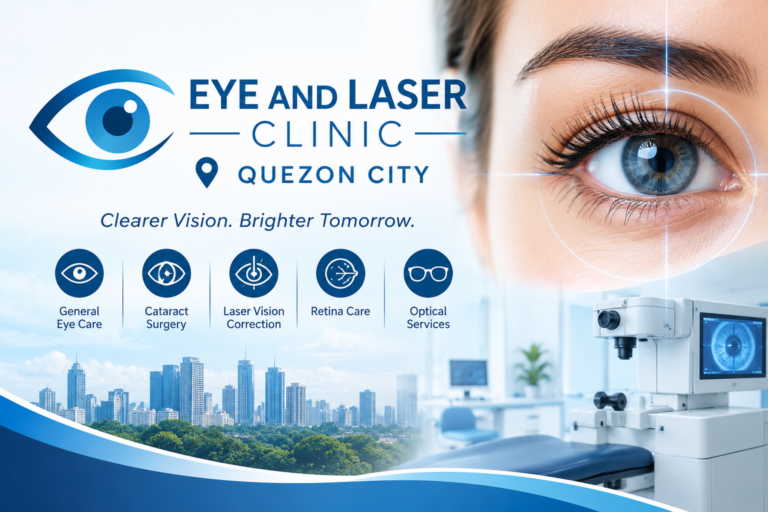
Finding the right Eye and Laser Clinic Quezon City patients can trust is an important step toward protecting vision and maintaining long-term eye health. Modern eye clinics can provide much more than routine vision checks, as many facilities offer diagnostic examinations, specialist consultations, and advanced treatment options. Some centers also provide laser-based procedures for specific eye conditions or refractive errors. The appropriate service depends on a person’s symptoms, eye health, medical history, and professional evaluation. Choosing a facility with qualified eye specialists and suitable diagnostic technology can make the evaluation process more thorough. Patients should also understand that not every laser procedure is appropriate for every individual. A professional consultation allows patients to understand their options and make informed decisions about their eye care.
Understanding an Eye and Laser Clinic in Quezon City
An eye and laser clinic is a specialized facility that focuses on diagnosing, monitoring, and treating different eye and vision conditions. Depending on the facility, services may include comprehensive eye examinations, diagnostic imaging, refractive assessments, cataract evaluation, glaucoma monitoring, retinal assessment, and selected laser procedures. Some centers combine routine ophthalmology with advanced technologies that allow specialists to examine different structures of the eye in greater detail. For example, eye centers in Quezon City may offer optical coherence tomography, visual field testing, corneal measurements, fundus imaging, and laser treatments for selected conditions. Patients searching for an Eye and Laser Clinic Quezon City should therefore look beyond the name of the facility and examine whether its services match their specific needs. A clinic that offers comprehensive diagnostic capabilities can be particularly useful when a patient requires more than a basic vision prescription. The goal should be to receive appropriate assessment and treatment from qualified professionals rather than simply choosing a clinic because it advertises advanced equipment.
Why Regular Eye Care Matters
Regular eye care is important because vision changes can develop gradually and may not always be immediately noticeable. A person may adapt to slowly worsening vision without realizing that an underlying eye condition is developing. Routine examinations allow eye professionals to assess visual function while also checking the health of important eye structures. Depending on the patient’s age, symptoms, medical history, and risk factors, an eye specialist may recommend different types of examinations and follow-up schedules. Early professional assessment can also help identify conditions that require monitoring or treatment before they significantly interfere with daily activities. Patients should not wait until their vision becomes severely impaired before seeking professional attention, particularly when they notice persistent or unusual changes. Visiting an Eye and Laser Clinic Quezon City can therefore be part of a proactive approach to maintaining clear and healthy vision.
Services You May Find at an Eye and Laser Clinic Quezon City
The services offered by an Eye and Laser Clinic Quezon City can vary depending on the facility, specialists, and available technology. Comprehensive eye examinations are among the most important services because they help professionals evaluate both vision and eye health. Diagnostic procedures may include visual field testing, optical coherence tomography, corneal thickness measurements, and fundus imaging when clinically appropriate. Capitol Medical Center’s Eye Center, for example, lists several diagnostic technologies and laser procedures as part of its ophthalmology services. Some clinics may also provide consultations for refractive errors, cataracts, glaucoma, corneal conditions, retinal concerns, and other eye disorders. Laser services can also vary, with certain facilities offering procedures designed for specific medical conditions or refractive correction. Patients should contact their chosen clinic directly to verify available services and determine which examination may be appropriate for their situation.
Comprehensive Eye Examinations
A comprehensive eye examination gives an eye specialist an opportunity to assess vision and examine the overall condition of the eyes. The process can begin with visual acuity testing to determine how clearly a person can see at different distances. Refraction testing may then be performed to identify whether glasses or contact lenses could improve vision. Depending on the patient’s symptoms and medical history, the eye specialist may also examine the cornea, lens, retina, optic nerve, and other structures. Additional diagnostic tests may be recommended when the specialist needs more information about a particular concern. Modern diagnostic equipment can provide detailed information that cannot be obtained from a simple vision chart alone. A thorough examination can help the specialist determine whether the patient needs routine monitoring, corrective lenses, medical treatment, or further evaluation.
Common Eye Conditions Managed by Eye Specialists
Eye specialists manage a wide range of conditions, from common refractive errors to more complex diseases affecting different parts of the eye. Myopia, hyperopia, and astigmatism can affect how clearly a person sees objects at different distances. Cataracts can cause cloudy or blurred vision and may create difficulty with glare or nighttime activities. Glaucoma can damage the optic nerve and may progress without obvious symptoms during its early stages, making professional assessment and monitoring important. Retinal conditions can also require specialized examinations and imaging to evaluate the health of the light-sensitive tissue responsible for vision. An eye specialist can determine which tests are appropriate based on symptoms, age, medical history, and clinical findings. People experiencing persistent blurred vision, unusual visual changes, eye pain, flashes of light, or sudden increases in floaters should seek appropriate professional evaluation rather than relying on self-diagnosis.
Understanding Laser Eye Treatment
The phrase laser eye treatment can describe several different procedures, so patients should ask their eye specialist to explain exactly what treatment is being recommended. Some laser procedures are designed to correct selected refractive errors, while others are used to manage specific medical eye conditions. Laser technology may be used in procedures involving the cornea, retina, glaucoma, or other structures depending on the patient’s diagnosis. For example, eye centers may offer procedures such as YAG laser treatments, laser iridotomy, panretinal photocoagulation, or focal laser treatment for specific clinical indications. Laser vision correction is another category and may include procedures such as LASIK, SMILE, or PRK for appropriately screened patients. Because the risks, benefits, recovery requirements, and eligibility criteria differ between procedures, patients should not assume that one laser treatment is interchangeable with another. A detailed consultation is essential for understanding why a particular procedure is being considered and whether alternatives may be available.
Laser Vision Correction and Patient Eligibility
Laser vision correction may be an option for some people who want to reduce dependence on glasses or contact lenses, but eligibility must be determined through professional assessment. Factors such as the patient’s prescription, corneal characteristics, eye health, age, and medical history can influence whether a particular procedure is appropriate. St. Luke’s Medical Center’s Vision Laser Service describes several refractive options, including femtosecond bladeless LASIK and surface ablation procedures such as PRK. The same source also describes phakic lens implantation as an option for certain patients who may not qualify for laser refractive surgery. This illustrates why patients should not select a laser procedure solely because it is popular or widely advertised. A proper screening process helps the ophthalmologist determine which options may be medically suitable. Patients should also discuss realistic expectations, potential risks, recovery, and long-term considerations before making a decision.
What Happens During Laser Treatment Screening?
Laser treatment screening is designed to determine whether a patient is a suitable candidate for a particular procedure. The evaluation may involve detailed measurements of the cornea, assessment of the current prescription, and examination of overall eye health. Depending on the procedure, specialists may evaluate corneal thickness, corneal shape, tear-film health, and other factors that could affect treatment suitability. Diagnostic technology can provide additional information that helps an ophthalmologist assess the condition of the eye before treatment. Patients should also provide accurate information about previous eye procedures, existing conditions, medications, and any history of significant eye problems. The specialist can then explain whether laser treatment is appropriate, whether another procedure may be more suitable, or whether non-surgical correction should be considered. Taking the screening process seriously helps patients make decisions based on their individual eye characteristics rather than general assumptions.
How to Choose the Right Eye and Laser Clinic Quezon City
Choosing an Eye and Laser Clinic Quezon City requires consideration of several factors beyond location and convenience. Patients should look for qualified ophthalmologists with experience relevant to the condition or procedure they are concerned about. It is also useful to determine whether the clinic provides the diagnostic tests needed for a proper evaluation. Advanced technology can be valuable, but equipment should support appropriate clinical assessment rather than serve as the only reason for choosing a facility. Patients should also ask about the consultation process, treatment alternatives, possible risks, follow-up appointments, and aftercare requirements. A reputable clinic should be willing to explain procedures clearly and allow patients to ask questions before making treatment decisions. Accessibility is another practical consideration because some eye conditions require regular monitoring and follow-up appointments over time.
Questions to Ask Before Choosing an Eye and Laser Clinic
Patients can make their consultation more productive by preparing questions before visiting an eye clinic. One useful question is whether the facility offers the specific examination or treatment required for the patient’s concern. Patients considering laser vision correction can ask which procedures are available and what screening tests are necessary before treatment. It is also appropriate to ask which ophthalmologist will perform the assessment and what experience they have with the relevant procedure. Patients should ask about possible risks, expected recovery, alternatives, and follow-up requirements rather than focusing only on the expected benefits. Questions about diagnostic testing can also help patients understand how their eligibility or treatment recommendation will be determined. Patients should also clarify whether additional examinations may be required before a final treatment decision is made. Having these questions ready can help create a clearer discussion between the patient and the eye care professional.
Preparing for an Eye Clinic Appointment
Preparing for an appointment can help patients provide useful information and get more value from their consultation. Patients should bring previous eye examination records, prescriptions, and information about earlier eye procedures when these documents are available. It can also help to write down when symptoms began and whether they have become more frequent or severe. Patients should tell the eye specialist about relevant medications, medical conditions, allergies, and previous treatments. People who experience headaches, blurred vision, eye strain, glare, flashes, floaters, or other visual changes should describe those symptoms as accurately as possible. Patients considering laser treatment should prepare questions about eligibility, available procedures, recovery, and potential alternatives. Good preparation allows the specialist to better understand the patient’s concerns and determine which examinations or diagnostic tests may be appropriate.
Frequently Asked Questions
1. What services can I expect from an Eye and Laser Clinic Quezon City?
An Eye and Laser Clinic Quezon City may offer comprehensive eye examinations, diagnostic testing, ophthalmology consultations, and selected laser procedures. The exact services vary from one facility to another. Some centers provide advanced diagnostic imaging and specialized testing for conditions affecting different parts of the eye. Certain facilities also offer laser procedures for specific medical conditions. Others may focus more heavily on refractive surgery and vision correction. Patients should verify the clinic’s current services before scheduling an appointment. A professional consultation can help determine which services are appropriate for an individual patient’s needs.
2. Is an eye examination necessary if my vision seems normal?
Yes, an eye examination can still be valuable even when a person does not notice significant vision problems. Some eye conditions can develop gradually and may not cause obvious symptoms during their early stages. An examination allows an eye professional to evaluate both visual function and eye health. The recommended frequency of examinations can depend on age, medical history, risk factors, and existing eye conditions. People with known eye problems may require more frequent monitoring. Anyone experiencing a significant or sudden change in vision should seek professional evaluation promptly. Regular eye care can help people stay informed about changes affecting their vision and eye health.
3. Is laser vision correction suitable for everyone?
No, laser vision correction is not automatically suitable for every patient. Eligibility depends on factors that can include the patient’s prescription, corneal characteristics, overall eye health, and medical history. A comprehensive screening process is necessary before a specialist can determine whether a particular laser procedure is appropriate. Patients who do not qualify for one procedure may have other treatment or vision-correction options. St. Luke’s Vision Laser Service, for example, describes multiple refractive approaches rather than relying on one procedure for every patient. Patients should therefore avoid choosing a procedure based solely on advertisements or another person’s experience. The safest approach is to discuss individual eligibility and alternatives with a qualified ophthalmologist.
4. How do I know which eye treatment I need?
The appropriate eye treatment depends on the underlying cause of the patient’s vision problem or eye condition. A professional examination can help identify whether the concern involves refractive error, cataract, glaucoma, retinal disease, corneal problems, or another condition. Diagnostic testing may be necessary when the specialist needs more detailed information. Treatment recommendations should be based on clinical findings rather than symptoms alone. Some patients may benefit from glasses or contact lenses, while others may require medication, laser treatment, or surgery. In some situations, monitoring may be recommended instead of immediate treatment. Discussing all available options with an eye specialist can help patients understand the reasoning behind a recommended treatment.
5. What should I expect during a laser eye consultation?
A laser eye consultation typically begins with a review of the patient’s vision concerns and medical history. The specialist may perform several examinations and measurements to evaluate eye health and determine eligibility for the proposed procedure. Depending on the treatment being considered, corneal measurements and other diagnostic tests may be performed. The ophthalmologist should explain the purpose of the procedure and discuss potential benefits, risks, limitations, and alternatives. Patients should use this appointment as an opportunity to ask questions about recovery and follow-up care. A recommendation should be based on the patient’s individual examination findings. The consultation is an important step because not every person seeking laser treatment will be an appropriate candidate for the same procedure.
6. How often should I visit an eye clinic?
There is no single examination schedule that applies to every person. Recommended visits can depend on age, symptoms, risk factors, medical history, existing eye conditions, and previous treatments. People with diagnosed eye diseases may require regular monitoring according to their ophthalmologist’s recommendations. Individuals experiencing new or persistent vision changes may also need an examination sooner than their routine schedule. Children, adults, and older patients can have different eye care needs. People who wear corrective lenses may also require periodic assessments to ensure their prescription remains appropriate. Patients should ask their eye specialist how frequently they should return based on their personal circumstances.
7. When should I seek urgent eye care?
Sudden changes in vision should be taken seriously, especially when they occur unexpectedly or are accompanied by other concerning symptoms. Sudden vision loss, severe eye pain, flashes of light, or a sudden increase in floaters can require prompt professional assessment. Symptoms following an eye injury should also be evaluated by an appropriate medical professional. Patients should not assume that a serious visual symptom will disappear without treatment. If a person is uncertain about the seriousness of a sudden eye problem, seeking professional medical advice is preferable to delaying assessment. Emergency services may be appropriate when symptoms are severe or rapidly worsening. Prompt attention can be particularly important when a serious eye condition may threaten vision.
Maintaining Long-Term Eye Health
Maintaining eye health requires more than addressing problems only when vision becomes difficult. Regular professional examinations can help patients monitor changes in their eyesight and identify concerns that may require attention. People should follow the monitoring and treatment schedule recommended by their ophthalmologist. Anyone prescribed glasses, contact lenses, medication, or other treatment should use them according to professional instructions. Patients who have undergone an eye procedure should also follow the specific aftercare instructions provided by their medical team. Protecting the eyes from avoidable injury and paying attention to significant changes in vision are additional parts of responsible eye care. Visiting an appropriate Eye and Laser Clinic Quezon City can provide patients with access to professional assessment when they need guidance about their vision and eye health.
Takeaway
Choosing an Eye and Laser Clinic Quezon City can be an important decision for people seeking reliable vision assessment, specialized eye care, or information about laser treatment. The right facility should offer services that match the patient’s needs and provide access to qualified eye professionals. Comprehensive examinations are valuable because they assess more than the ability to read an eye chart. Laser procedures can be useful for appropriately selected patients, but eligibility should always be determined through professional screening. Patients should understand the purpose, benefits, risks, alternatives, and follow-up requirements of any procedure before making a decision. Asking questions and providing an accurate medical history can make consultations more productive. Most importantly, patients should prioritize professional eye evaluation and individualized care when making decisions about their vision.