Understanding Wound Debridement
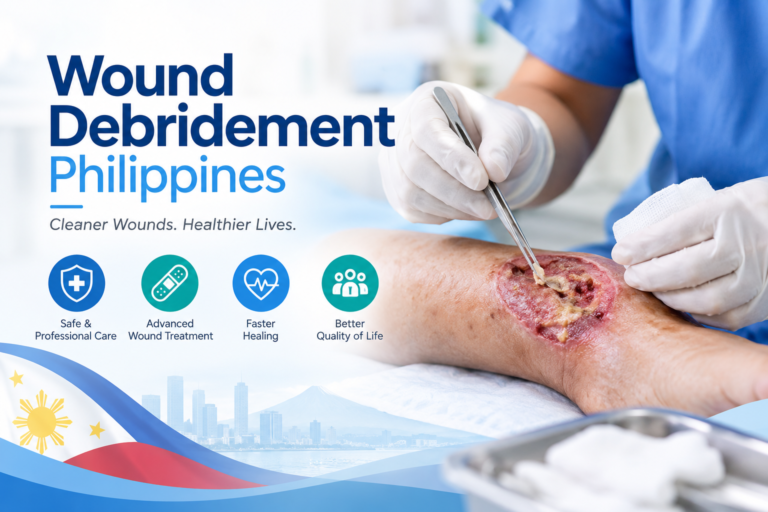
Wound debridement is a medical procedure used to remove dead, damaged, infected, or nonviable tissue from a wound. This type of treatment can be an important part of managing wounds that are not healing properly. Healthy wound tissue needs an appropriate environment where new tissue can develop and repair the affected area. Dead tissue may interfere with this process and can sometimes provide an environment where harmful microorganisms can multiply. Wound Debridement Philippines services may be considered for patients with chronic wounds, diabetic foot wounds, pressure injuries, traumatic wounds, and selected surgical wounds. The appropriate approach depends on the wound’s size, depth, location, tissue condition, circulation, and the patient’s overall health. Because wound treatment can involve important medical decisions, debridement should be assessed and performed by appropriately qualified healthcare professionals.
Why Wounds May Require Debridement
A wound may require debridement when damaged or dead tissue remains within or around the wound bed. This tissue can make it more difficult for healthcare professionals to accurately assess the condition of the wound. It can also interfere with the development of healthy granulation tissue that is important for repair. Some chronic wounds develop slowly and may contain slough or necrotic tissue that needs professional management. People with diabetes may be particularly vulnerable to wounds that heal slowly because elevated blood glucose, nerve damage, and circulation problems can affect tissue repair. Pressure injuries, ulcers, traumatic wounds, and wounds affected by infection may also require careful evaluation for nonviable tissue. Professional assessment helps determine whether debridement is appropriate and which method is most suitable for the individual patient.
Common Types of Wound Debridement
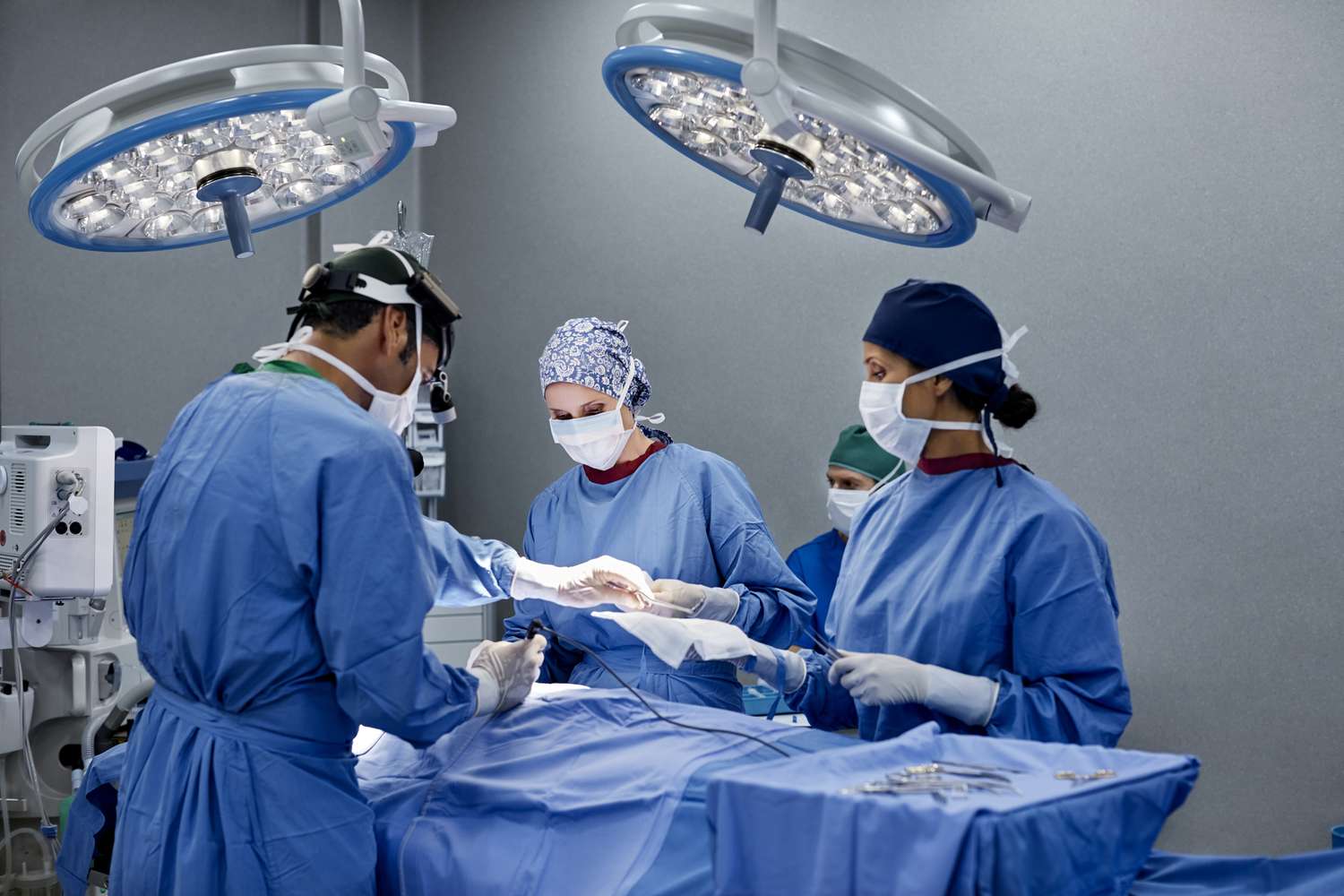
Several methods of wound debridement are available, and healthcare professionals select an approach based on the patient’s condition. Sharp or surgical debridement uses specialized instruments to remove damaged tissue and may be considered when relatively rapid removal is needed. Mechanical debridement involves physical methods for removing unwanted tissue and may be selected in specific clinical situations. Autolytic debridement uses the body’s natural processes, supported by appropriate wound dressings, to break down certain types of nonviable tissue. Enzymatic debridement uses specially formulated agents to help break down selected damaged tissue without mechanically removing it. Biological debridement, sometimes called maggot therapy, uses specially prepared sterile larvae under controlled medical conditions to remove certain types of nonviable tissue. Each technique has specific benefits, limitations, and appropriate applications, so patients should not select a method without professional wound assessment.
How Healthcare Professionals Assess a Wound Before Debridement
A thorough wound assessment is an important step before choosing a debridement method. Healthcare professionals may examine the wound’s length, width, depth, location, drainage, odor, and surrounding skin. They may also identify whether the wound contains healthy granulation tissue, slough, eschar, or other types of tissue. Circulation is another important consideration because adequate blood flow helps deliver oxygen and nutrients required for tissue repair. A clinician may also evaluate sensation, pressure, mobility, blood glucose management, nutrition, and other factors that could affect healing. The patient’s medical history and medications can also influence how the wound should be managed. Repeated assessments may be necessary because the condition and appearance of a wound can change as treatment progresses.
Wound Debridement Philippines: What Patients Can Expect
Patients researching Wound Debridement Philippines services may wonder what happens during an appointment or treatment session. The process generally begins with an assessment of the wound and the patient’s overall condition. The healthcare professional determines whether nonviable tissue is present and evaluates factors that could affect the safety or effectiveness of treatment. If debridement is appropriate, the clinician selects a method based on the wound and the patient’s individual needs. Pain and comfort should be considered, particularly when a wound is sensitive or extensive. After tissue removal, the wound may be cleaned and covered with an appropriate dressing based on the treatment plan. Follow-up care is important because wound debridement is usually one part of a broader wound management program rather than a single treatment that addresses every factor affecting healing.
Potential Benefits of Proper Wound Debridement
Proper wound debridement can help remove tissue that is no longer viable and may interfere with wound management. Removing unhealthy tissue can make it easier for healthcare professionals to examine the wound bed and monitor changes over time. It may also help create a more suitable environment for healthy tissue development when combined with appropriate wound care. In some situations, debridement can assist with managing wound bioburden and removing material that may interfere with healing. The procedure may also help healthcare professionals identify the actual depth or extent of a wound that was previously obscured by damaged tissue. However, debridement does not automatically resolve the underlying cause of a chronic wound. Successful wound management may also require infection management, pressure relief, circulation assessment, nutritional support, blood glucose management, and appropriate dressings.
Conditions Commonly Associated With Wounds Requiring Debridement
Several types of wounds may contain tissue that requires professional debridement. Diabetic foot wounds are an important example because diabetes can affect sensation, circulation, and the body’s ability to repair damaged tissue. Pressure injuries can develop when prolonged pressure reduces blood flow to areas of the body, particularly in people with limited mobility. Venous ulcers may occur when problems with blood returning through the veins contribute to persistent wounds, commonly around the lower legs. Arterial wounds can be associated with reduced blood flow and may require careful vascular assessment before certain treatments are performed. Traumatic wounds can also contain damaged tissue following accidents, cuts, burns, or other injuries. Surgical wounds that experience delayed healing or tissue complications may require additional professional evaluation and wound management.
Factors That Can Affect Wound Healing
Wound healing is influenced by many factors beyond the wound itself. Adequate blood circulation is important because tissues require oxygen and nutrients to repair themselves. Blood glucose management is particularly important for people with diabetes because poorly controlled blood glucose can interfere with several aspects of wound healing. Nutrition also matters, since the body needs adequate calories, protein, vitamins, minerals, and fluids to support tissue repair. Infection can significantly interfere with healing and may require prompt medical treatment. Pressure, friction, repeated trauma, smoking, and limited mobility can also make some wounds more difficult to manage. Addressing these factors alongside professional wound care can provide a more comprehensive approach to supporting the body’s healing process.
Why Professional Wound Care Matters in the Philippines
Professional wound care is particularly important when a wound remains open, repeatedly breaks down, or shows signs of infection or tissue damage. Patients may be tempted to clean or remove tissue themselves, but aggressive tissue removal can cause bleeding, additional injury, or other complications. Healthcare professionals can assess whether a wound requires debridement and determine which method is appropriate. In some cases, wound management may involve several professionals, such as physicians, nurses, wound care specialists, podiatrists, or other qualified healthcare providers. Consistent follow-up can help identify changes in wound size, tissue quality, drainage, and surrounding skin. Patients should also receive clear instructions about dressing changes, medications, pressure relief, and other aspects of home care. Choosing an appropriately qualified provider is an important part of receiving safe and individualized wound treatment.
What Patients Should Ask About Wound Debridement
Patients can make informed decisions by asking questions before receiving wound debridement. One useful question is why debridement is being recommended for the particular wound. Patients can also ask which method is being considered and why that method is appropriate for their condition. It is reasonable to ask how discomfort will be managed during and after the procedure. Patients may also want to know how frequently treatment could be needed and what type of dressing will be used afterward. Asking about warning signs can help patients understand when they should contact their healthcare provider between appointments. Patients should also ask what they can do at home to support healing and when the next wound assessment should take place.
Aftercare and Ongoing Wound Management
Care after debridement is an important part of the overall wound treatment process. Patients should follow the dressing and wound-cleaning instructions provided by their healthcare professional. Prescribed medications should be taken exactly as directed, particularly when treatment has been provided for an infection or another underlying condition. The wound should be monitored for changes in drainage, swelling, redness, odor, pain, or appearance. Patients may also receive recommendations involving pressure relief, mobility, footwear, nutrition, blood glucose management, or other factors affecting healing. Scheduled follow-up appointments allow healthcare professionals to evaluate progress and adjust treatment when necessary. Consistent aftercare can help patients manage their wounds more effectively while reducing the risk of preventable problems.
Warning Signs That Require Prompt Medical Attention
Certain wound changes should receive prompt medical attention rather than being monitored at home for an extended period. Increasing redness, warmth, swelling, or pain around a wound may indicate a developing problem. Pus, significant drainage, or a strong unpleasant odor can also require professional evaluation. Fever, chills, weakness, or other symptoms affecting the whole body may indicate that an infection needs urgent assessment. A wound that rapidly becomes larger, deeper, darker, or more painful should also be evaluated. Blackening tissue or a sudden loss of sensation can be particularly concerning and should not be ignored. People with diabetes, poor circulation, or other conditions that increase wound complications should seek medical advice promptly when they notice significant changes.
Choosing Appropriate Wound Care Services in the Philippines
When looking for Wound Debridement Philippines services, patients should focus on professional qualifications, clinical experience, and continuity of care. A suitable provider should be able to assess the wound before recommending a treatment approach. Patients can ask whether the facility or healthcare professional has experience managing chronic wounds, diabetic wounds, pressure injuries, or other conditions relevant to their situation. It can also be useful to ask about available wound assessment, dressing management, follow-up, and referral services. Patients should be cautious about choosing treatment solely based on cost because wound care often requires individualized assessment and ongoing monitoring. The location of the facility can also matter when regular follow-up appointments are necessary. Most importantly, patients should receive care from appropriately qualified healthcare professionals who can adapt treatment as the wound changes.
FAQ About Wound Debridement Philippines
1. What is wound debridement?
Wound debridement is a medical procedure used to remove dead, damaged, infected, or nonviable tissue from a wound. The purpose is to help manage the wound environment and allow healthcare professionals to better assess the affected area. Different techniques may be used depending on the patient’s needs.
2. Why is wound debridement performed?
Debridement may be recommended when nonviable tissue is interfering with wound management or healing. Removing unhealthy tissue can allow the wound bed to be assessed more clearly. The appropriate treatment depends on the wound’s characteristics and the patient’s overall health.
3. Is wound debridement painful?
The level of discomfort can vary depending on the wound, the amount of tissue being treated, and the debridement method used. Healthcare professionals can consider pain management and patient comfort when planning treatment. Patients should communicate their pain level throughout the process.
4. How long does wound debridement take?
Treatment time varies from one patient to another. Factors such as wound size, depth, tissue condition, and the selected technique can affect the duration. Some patients may require more than one treatment session as part of ongoing wound management.
5. How often does a wound need debridement?
There is no universal schedule for wound debridement. The frequency depends on how the wound responds to treatment and whether additional nonviable tissue develops. Healthcare professionals determine the appropriate schedule through ongoing wound assessment.
6. Can wound debridement be performed at home?
Patients should not attempt aggressive or invasive tissue removal at home. Improper debridement can cause bleeding, damage healthy tissue, introduce infection, or worsen the wound. Home care should follow specific instructions provided by a qualified healthcare professional.
7. What happens after wound debridement?
After debridement, the wound may be cleaned and covered with an appropriate dressing. The healthcare professional may provide instructions regarding wound protection, medications, activity, and follow-up appointments. Continued monitoring helps determine whether the treatment plan needs adjustment.
8. What types of wounds may require debridement?
Certain diabetic wounds, pressure injuries, ulcers, traumatic wounds, and complicated surgical wounds may require debridement. Not every wound needs this procedure. A professional assessment is necessary to determine whether removing nonviable tissue is appropriate.
9. When should someone seek professional wound care?
Professional wound care should be considered when a wound does not heal normally, becomes increasingly painful, develops unusual drainage, or shows signs of infection. People with diabetes or circulation problems should be especially attentive to persistent or changing wounds. Prompt assessment can help identify problems before they become more serious.
10. Where can patients seek wound debridement in the Philippines?
Patients can seek assessment from qualified hospitals, clinics, wound care centers, physicians, nurses, or other appropriately trained healthcare professionals. The most suitable provider depends on the type and severity of the wound. Patients should verify the provider’s qualifications and ask about the available wound assessment and follow-up services.
Takeaway
Wound Debridement Philippines is an important topic for patients dealing with chronic, complicated, or slow-healing wounds. Debridement focuses on removing unhealthy tissue when clinically appropriate, but it is only one part of comprehensive wound care. A proper wound assessment helps healthcare professionals select the safest and most suitable treatment method. Patients can support healing by following wound care instructions, managing underlying health conditions, maintaining appropriate nutrition, and attending scheduled follow-up appointments. Warning signs such as increasing pain, swelling, drainage, odor, fever, or tissue discoloration should receive prompt medical attention. People with diabetes, circulation problems, or other conditions associated with delayed healing should be particularly careful about changes in their wounds. Seeking qualified professional care can help ensure that wound treatment is based on the patient’s specific condition rather than a one-size-fits-all approach.