
A Certified Wound Specialist assessment process follows a structured clinical approach to evaluate wounds and determine the most suitable care plan for healing. A Certified Wound Specialist focuses on identifying wound type, severity, and underlying conditions that may slow recovery. Proper evaluation plays a major role in preventing complications and supporting better outcomes for patients with acute or chronic wounds.
A trusted provider such as Kalingap Wound Care Clinic offers access to a Certified Wound Specialist who performs detailed assessments using clinical methods designed for accurate diagnosis and treatment planning.
What Is a Certified Wound Specialist?
A Certified Wound Specialist is a healthcare professional trained in wound care management with advanced knowledge in tissue healing, infection control, and wound classification. A Certified Wound Specialist works with different wound types such as diabetic ulcers, pressure injuries, surgical wounds, and traumatic injuries.
Certification requires focused training, clinical experience, and continued education in wound care practices. A Certified Wound Specialist applies evidence-based methods to evaluate wound conditions and recommend appropriate treatment plans based on clinical findings.
A Certified Wound Specialist at Kalingap Wound Care Clinic follows standardized assessment procedures to ensure accurate evaluation and consistent care decisions.
Importance of a Structured Wound Assessment
A structured approach by a Certified Wound Specialist helps identify the true cause of delayed healing. Wounds may appear simple on the surface, but underlying factors such as poor circulation, infection, or metabolic conditions may affect recovery.
A Certified Wound Specialist assessment process helps reduce complications by identifying risks early. This approach also supports better treatment selection, which leads to improved healing outcomes.
Clinics like Kalingap Wound Care Clinic rely on a Certified Wound Specialist to ensure each patient receives accurate evaluation before any treatment begins.
Step-by-Step Certified Wound Specialist Assessment Process
1. Patient Medical History Review
A Certified Wound Specialist begins by reviewing the patient’s medical history. This includes chronic conditions such as diabetes, vascular disease, or immune-related disorders. Previous surgeries, medications, and known allergies are also reviewed.
This step allows a Certified Wound Specialist to identify risk factors that may affect healing time or treatment options.
2. Initial Wound Inspection
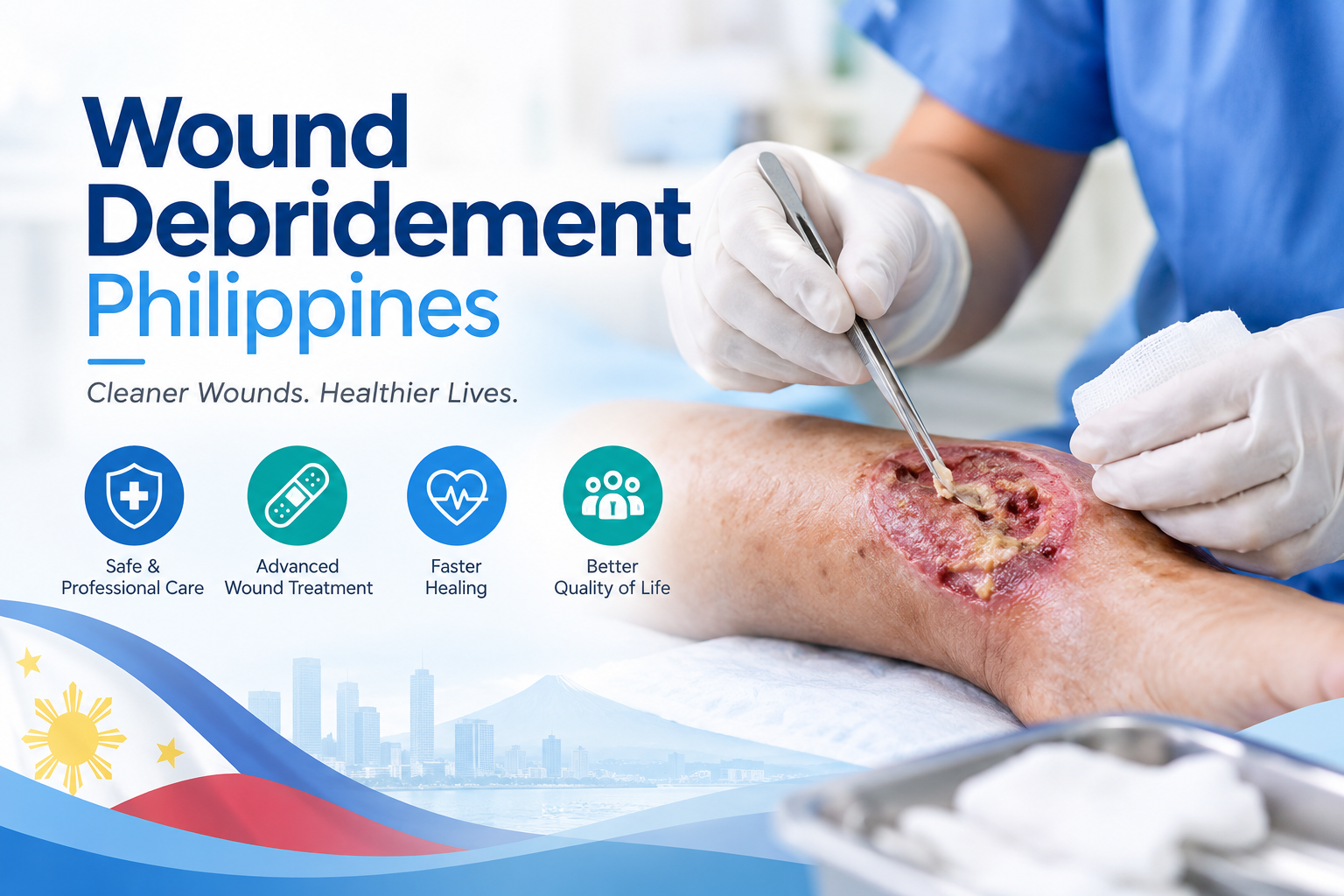
A Certified Wound Specialist performs a detailed visual examination of the wound. This includes measuring wound size, depth, and shape. The surrounding skin is also checked for discoloration, swelling, or irritation.
A Certified Wound Specialist also observes wound drainage, odor, and tissue condition to identify possible infection or tissue damage.
3. Pain and Symptom Evaluation
A Certified Wound Specialist assesses pain levels and other symptoms experienced by the patient. Pain intensity, timing, and triggers are recorded.
This helps a Certified Wound Specialist understand how the wound affects daily function and mobility, which may influence treatment planning.
4. Diagnostic Testing
When necessary, a Certified Wound Specialist may request diagnostic tests. These can include wound cultures to detect infection, blood tests to evaluate health conditions, or imaging tests such as X-rays or ultrasound.
A Certified Wound Specialist uses these results to gain a clearer view of internal conditions affecting wound healing.
5. Wound Classification and Staging
A Certified Wound Specialist classifies the wound based on type and severity. Common classifications include acute wounds, chronic wounds, diabetic ulcers, venous ulcers, and pressure injuries.
Staging helps a Certified Wound Specialist determine the level of tissue damage and select appropriate care methods.
6. Circulation and Vascular Assessment
A Certified Wound Specialist evaluates blood circulation in the affected area. Pulse checks, capillary refill tests, and other vascular assessments are performed.
Poor blood flow is a common factor in delayed healing, and a Certified Wound Specialist uses this information to adjust treatment strategies.
7. Personalized Treatment Planning
A Certified Wound Specialist develops a treatment plan based on all collected data. This may include wound cleaning methods, debridement procedures, dressing selection, and infection control measures.
A Certified Wound Specialist at Kalingap Wound Care Clinic ensures that each treatment plan is aligned with the patient’s condition and healing needs.
Tools and Technology Used in Wound Assessment
A Certified Wound Specialist may use modern tools to support accurate evaluation. These include digital measurement devices, wound imaging systems, and photographic documentation tools.
These tools help a Certified Wound Specialist track wound progress over time and make informed clinical decisions. Clinics such as Kalingap Wound Care Clinic apply these tools under the supervision of a Certified Wound Specialist for precise monitoring.
Patient Experience During the Assessment
A Certified Wound Specialist assessment is performed in a controlled clinical setting. Patients are guided through each step of the process, starting from history review to wound examination and treatment planning.
A Certified Wound Specialist ensures patient comfort during evaluation and explains each procedure clearly. The duration of assessment varies depending on wound complexity and required tests.
Common Types of Wounds Evaluated
A Certified Wound Specialist regularly handles different wound conditions, including:
- Diabetic foot ulcers
- Pressure injuries
- Surgical wounds
- Traumatic wounds
- Venous leg ulcers
Each case is reviewed by a Certified Wound Specialist to determine the correct treatment approach.
Importance of Follow-Up Assessments
A Certified Wound Specialist schedules follow-up evaluations to monitor healing progress. These visits allow adjustments in treatment when needed.
A Certified Wound Specialist also checks for signs of infection, changes in wound size, and tissue regeneration. Regular monitoring at Kalingap Wound Care Clinic helps maintain consistent care.
When to See a Certified Wound Specialist
A Certified Wound Specialist should be consulted when a wound shows slow healing, signs of infection, or persistent pain. Patients with diabetes or circulation problems should also seek early evaluation.
A Certified Wound Specialist can help prevent complications when wounds are assessed at an early stage.
Benefits of Seeing a Certified Wound Specialist
A Certified Wound Specialist provides targeted care based on clinical evaluation. Benefits include improved healing timelines, reduced risk of infection, and more accurate treatment planning.
Patients under the care of a Certified Wound Specialist at Kalingap Wound Care Clinic receive structured and consistent wound management.
FAQ
What does a Certified Wound Specialist do during an assessment?
A Certified Wound Specialist evaluates wound condition, reviews medical history, checks circulation, and creates a treatment plan based on clinical findings.
How long does a wound assessment take?
A Certified Wound Specialist assessment may take between 20 to 60 minutes depending on wound complexity and required tests.
Is the wound assessment painful?
A Certified Wound Specialist performs procedures carefully to reduce discomfort. Some steps may cause mild pressure but are generally tolerable.
Do all wounds require a Certified Wound Specialist?
Not all wounds require specialist care, but persistent, infected, or slow-healing wounds should be evaluated by a Certified Wound Specialist.
Why choose Kalingap Wound Care Clinic?
Kalingap Wound Care Clinic provides access to a Certified Wound Specialist with structured assessment methods and focused wound care services.