Understanding Glaucoma and Why It Demands Attention in Bicol
Glaucoma is a group of eye conditions that gradually damage the optic nerve, which is essential for clear vision. This damage is often linked to increased pressure inside the eye, though it can also occur even when eye pressure is normal. What makes glaucoma particularly concerning is its silent progression, as many individuals experience no noticeable symptoms in the early stages. By the time vision changes become obvious, significant and irreversible damage may have already occurred. In Bicol, where access to specialized eye care may vary between urban and rural areas, this silent progression presents a serious public health concern. Many residents may not prioritize routine eye check-ups, especially when they feel no discomfort or visual disturbance. As a result, glaucoma screening and diagnosis in Bicol becomes a critical step in preventing avoidable vision loss across communities.
The region’s demographic trends, including an aging population and increasing rates of chronic conditions like diabetes, further heighten the importance of awareness. Environmental and lifestyle factors may also contribute to eye health risks, especially for individuals who work outdoors or in visually demanding occupations. Without consistent screening, glaucoma can quietly reduce peripheral vision, eventually leading to tunnel vision or complete blindness. Understanding how glaucoma works and why it often goes unnoticed is the first step toward protecting long-term vision. Raising awareness within families and communities can encourage earlier intervention and better outcomes. This is why proactive attention to glaucoma screening and diagnosis in Bicol is more important than ever.
The Importance of Early Glaucoma Screening and Diagnosis in Bicol
Early detection is the most effective defense against glaucoma-related vision loss. Once vision is lost due to glaucoma, it cannot be restored, making prevention and early diagnosis essential. Through timely screening, eye care professionals can detect subtle changes in eye pressure and optic nerve health before symptoms arise. In Bicol, where awareness about eye diseases may still be developing, early screening plays a vital role in preserving quality of life. Many individuals delay check-ups due to cost concerns or lack of perceived need, but this delay can lead to severe complications later. Detecting glaucoma in its early stages allows for treatment plans that slow or halt disease progression.
Routine eye exams not only identify glaucoma but also uncover other potential vision problems. These check-ups become even more important for individuals with known risk factors such as family history or chronic illness. Early diagnosis reduces the likelihood of advanced-stage complications that require more complex and costly treatments. It also helps individuals maintain independence, continue working, and avoid lifestyle limitations caused by vision impairment. For communities in Bicol, widespread participation in screening programs can significantly reduce the burden of preventable blindness. The emphasis on glaucoma screening and diagnosis in Bicol is not just about individual health, but also about strengthening public health outcomes. Encouraging regular screenings can create a ripple effect that benefits entire families and communities.
Common Types of Glaucoma Seen in Patients
Glaucoma is not a single condition but a group of related eye diseases with different characteristics. The most common type is primary open-angle glaucoma, which develops slowly and often without symptoms until significant damage has occurred. Another type is angle-closure glaucoma, which can appear suddenly and may cause severe eye pain, nausea, and blurred vision. Normal-tension glaucoma occurs even when eye pressure levels are within a typical range, making it more difficult to detect without thorough testing. Secondary glaucoma can result from other medical conditions, eye injuries, or prolonged use of certain medications. Congenital glaucoma, though rare, affects infants and young children due to abnormal eye development.
Each type requires a specific approach to diagnosis and management. Recognizing these variations is essential for accurate glaucoma screening and diagnosis in Bicol. Patients may not be aware of which type they have, but understanding the differences can help them appreciate the importance of comprehensive eye exams. Symptoms vary widely depending on the type and stage of the condition. In many cases, there are no early warning signs, which reinforces the need for routine screening. Proper classification of glaucoma allows healthcare providers to tailor treatment strategies effectively. Awareness of these types empowers individuals to take a more active role in their eye health.
Risk Factors That Increase Glaucoma Cases in Bicol
Several factors can increase the likelihood of developing glaucoma, and understanding these risks is key to prevention. Age is one of the most significant factors, with individuals over 40 being at higher risk. Family history also plays a major role, as glaucoma can run in families and increase susceptibility. Medical conditions such as diabetes and hypertension are common in Bicol and can contribute to eye health complications. Long-term use of corticosteroid medications is another risk factor that many individuals may overlook. Eye injuries or previous surgeries can also increase vulnerability to glaucoma.
Lifestyle factors, including smoking and prolonged exposure to sunlight, may further impact eye health. People who do not undergo regular eye check-ups are more likely to have undiagnosed glaucoma. In Bicol, where access to healthcare services may vary, some individuals may not be aware of their risk status. Identifying these risk factors helps prioritize who should undergo screening more frequently. Early recognition of these risks supports better planning for glaucoma screening and diagnosis in Bicol. It also encourages individuals to adopt preventive habits that protect their vision over time.
Signs and Symptoms Residents Should Watch For
Glaucoma is often difficult to detect because symptoms usually appear only in advanced stages. One of the earliest signs is a gradual loss of peripheral vision, which may go unnoticed in daily activities. As the condition progresses, individuals may experience blurred vision or difficulty adjusting to low light. Some may notice halos around lights, especially at night, which can interfere with driving and other tasks. In cases of angle-closure glaucoma, symptoms can be sudden and severe, including eye pain, headache, and nausea. These symptoms require immediate medical attention to prevent permanent damage.
Many residents in Bicol may attribute mild vision changes to aging rather than a serious condition. This misunderstanding can delay necessary medical evaluation and treatment. Regular eye exams are essential because they can detect glaucoma before symptoms develop. Paying attention to subtle changes in vision can also prompt earlier consultation with an eye care professional. Recognizing these warning signs is a crucial part of glaucoma screening and diagnosis in Bicol. Increased awareness can lead to earlier detection and better management outcomes. Encouraging individuals to act on even minor symptoms can make a significant difference.
Glaucoma Screening Methods Available in Bicol
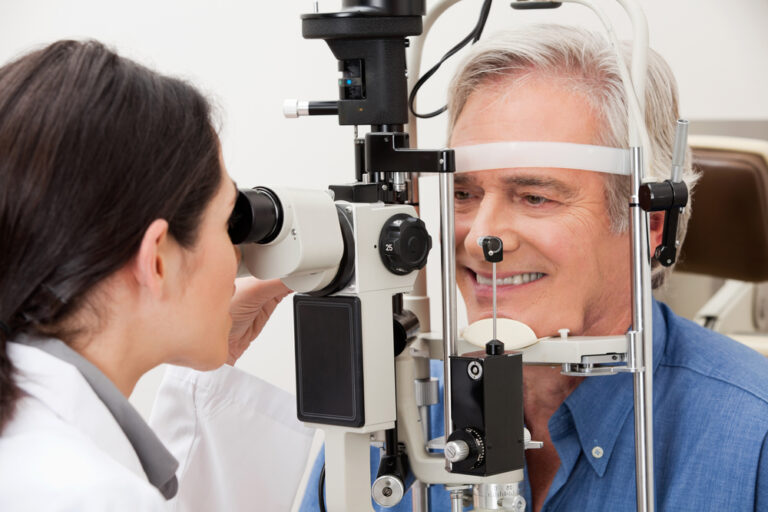
A variety of diagnostic tests are used to detect glaucoma accurately. Tonometry measures intraocular pressure and is one of the most common screening methods. Ophthalmoscopy allows doctors to examine the optic nerve for signs of damage. Visual field testing, or perimetry, assesses peripheral vision and helps identify early vision loss. Gonioscopy examines the drainage angle of the eye, which is important for diagnosing different types of glaucoma. Optical coherence tomography provides detailed images of the optic nerve and surrounding structures.
Pachymetry measures corneal thickness, which can influence eye pressure readings. These tests are often used together to provide a comprehensive assessment of eye health. In Bicol, access to these diagnostic tools may vary depending on the clinic and location. However, many eye care facilities offer essential screening services that can detect glaucoma effectively. Understanding these methods helps patients feel more comfortable during their appointments. It also highlights the importance of thorough testing in achieving accurate results. Reliable glaucoma screening and diagnosis in Bicol depends on the availability and proper use of these technologies.
What to Expect During a Glaucoma Screening Appointment
A glaucoma screening appointment typically begins with a review of the patient’s medical history. The eye care professional may ask about symptoms, family history, and existing health conditions. Initial tests often include vision assessment and measurement of eye pressure. Additional examinations may involve imaging and visual field tests to evaluate the optic nerve. Most procedures are quick, painless, and non-invasive, making them accessible for patients of all ages.
Patients may receive eye drops to dilate the pupils, allowing for a more detailed examination. The entire process usually takes less than an hour, depending on the number of tests required. After the screening, the doctor will explain the results and recommend next steps if necessary. Follow-up appointments may be scheduled to monitor changes over time. Understanding what to expect can reduce anxiety and encourage more people to undergo screening. This is especially important in promoting glaucoma screening and diagnosis in Bicol. A positive and informative experience can motivate patients to prioritize regular eye care.
Access to Glaucoma Screening and Diagnosis in Bicol
Access to eye care services varies across the Bicol region, with urban areas generally having more facilities than rural communities. Major cities often have clinics equipped with advanced diagnostic tools, while smaller towns may rely on basic screening services. Government health programs and outreach initiatives play a vital role in bridging this gap. Mobile eye clinics and community-based screenings help reach underserved populations. These efforts make glaucoma screening more accessible to individuals who might otherwise go without care.
Local healthcare providers also collaborate with organizations to raise awareness and provide affordable services. Despite these efforts, some residents still face challenges in accessing consistent eye care. Transportation, cost, and lack of information can be significant barriers. Improving access to glaucoma screening and diagnosis in Bicol requires ongoing investment in healthcare infrastructure. Community involvement and education are also essential in encouraging participation. Expanding services to remote areas can help ensure that more people receive timely diagnosis and treatment.
Challenges in Glaucoma Detection in Bicol
Detecting glaucoma in Bicol comes with several challenges that affect both patients and healthcare providers. Limited awareness remains one of the biggest obstacles, as many individuals do not recognize the importance of regular eye exams. Financial constraints can also prevent people from seeking screening, especially if they do not experience symptoms. Geographic barriers make it difficult for residents in remote areas to access specialized care. Some clinics may lack advanced diagnostic equipment, limiting their ability to detect early-stage glaucoma.
Misconceptions about eye health further contribute to delayed diagnosis. Many people believe that vision problems only occur with age or that they can be easily corrected with glasses. This belief can lead to neglect of more serious conditions like glaucoma. Addressing these challenges requires a combination of education, outreach, and improved healthcare services. Encouraging community engagement can help spread awareness and reduce stigma. Strengthening glaucoma screening and diagnosis in Bicol involves tackling these barriers at multiple levels. Progress in this area can significantly reduce preventable vision loss.
Advancements Improving Glaucoma Diagnosis in Bicol
Technological advancements are transforming the way glaucoma is detected and managed. Modern imaging techniques provide detailed views of the optic nerve, allowing for earlier and more accurate diagnosis. Telemedicine has also expanded access to eye care, enabling remote consultations and follow-up appointments. Digital tools can assist in monitoring disease progression and adjusting treatment plans. These innovations are gradually becoming more available in Bicol, improving the overall quality of care.
Artificial intelligence is also being explored as a tool for analyzing eye images and identifying signs of glaucoma. This technology has the potential to enhance diagnostic accuracy and efficiency. As more clinics adopt advanced equipment, patients benefit from faster and more reliable results. Training healthcare professionals to use these technologies is equally important. Continued investment in innovation supports better glaucoma screening and diagnosis in Bicol. These advancements help bridge the gap between urban and rural healthcare services. They also contribute to a more proactive approach to eye health management.
Preventive Strategies to Reduce Glaucoma Risk
Preventing glaucoma involves a combination of regular screenings and healthy lifestyle choices. Routine eye exams are the most effective way to detect the condition early. Managing chronic diseases such as diabetes and hypertension can reduce the risk of complications. Protecting the eyes from injury by wearing appropriate safety gear is also important. Maintaining a balanced diet and staying physically active support overall eye health.
- Schedule comprehensive eye exams at least once every one to two years
- Monitor and control blood pressure and blood sugar levels
- Avoid self-medicating with steroid-based eye drops
- Wear protective eyewear during high-risk activities
- Stay informed about family medical history
- Limit smoking and excessive alcohol consumption
- Seek medical advice promptly when experiencing vision changes
Adopting these habits can significantly reduce the risk of developing glaucoma. In Bicol, promoting preventive care is essential for improving public health outcomes. Education campaigns can encourage individuals to take proactive steps in protecting their vision. Preventive strategies are a cornerstone of effective glaucoma screening and diagnosis in Bicol. Empowering individuals with knowledge leads to better health decisions. Consistent practice of these habits supports long-term eye health.
Cost Considerations for Glaucoma Screening and Diagnosis in Bicol
The cost of glaucoma screening can vary depending on the type of tests and the healthcare facility. Basic screenings are generally more affordable, while advanced diagnostic procedures may require higher fees. Public healthcare centers often provide subsidized services, making them accessible to a wider population. Private clinics may offer more comprehensive packages but at a higher cost. Insurance coverage can help offset expenses, though availability varies among providers.
For many residents in Bicol, affordability remains a key concern when seeking eye care. Government programs and community initiatives can help reduce financial barriers. Early detection is often more cost-effective than treating advanced-stage glaucoma. Investing in regular screenings can prevent the need for expensive interventions later. Understanding the cost structure helps individuals plan for their healthcare needs. Promoting affordable glaucoma screening and diagnosis in Bicol is essential for increasing participation. Financial accessibility plays a major role in improving overall eye health outcomes.
Why Regular Screening Should Be a Priority for Every Resident
Regular screening is essential because glaucoma often develops without noticeable symptoms. Waiting for signs to appear can result in irreversible vision loss. Routine eye exams provide an opportunity to detect problems early and take preventive action. For residents of Bicol, prioritizing eye health can lead to better quality of life and independence. Screening is not only important for those at high risk but also for individuals with no apparent symptoms.
Consistent check-ups help track changes in eye health over time. They also allow for timely adjustments to treatment plans if needed. Encouraging a culture of preventive care can benefit entire communities. When more people participate in screening programs, the overall burden of glaucoma decreases. Promoting awareness about glaucoma screening and diagnosis in Bicol supports healthier and more informed populations. Regular screening is a simple yet powerful tool in protecting vision. Making it a priority can have lasting benefits for individuals and families alike.
FAQ
How often should I undergo glaucoma screening in Bicol?
It is generally recommended to have an eye exam every one to two years, especially for individuals over 40 or those with risk factors.
Is glaucoma screening painful?
Most screening procedures are painless and non-invasive, making them comfortable for patients.
Can glaucoma be cured if detected early?
Glaucoma cannot be cured, but early detection allows for effective management to slow or prevent vision loss.
Are glaucoma screenings expensive in Bicol?
Costs vary, but there are affordable options available through public healthcare programs and community initiatives.
Who is most at risk for developing glaucoma?
Individuals over 40, those with a family history, and people with chronic conditions like diabetes are at higher risk.
Can I get screened even if I have no symptoms?
Yes, screening is strongly recommended even without symptoms because glaucoma often develops silently.
Where can I find reliable glaucoma screening services in Bicol?
You can visit local eye clinics, hospitals, or participate in community health programs offering vision screening services.
Takeaway
Glaucoma screening and diagnosis in Bicol plays a vital role in protecting vision and preventing irreversible blindness. With its silent progression, glaucoma requires proactive attention through regular eye exams and increased awareness. Access to screening services, combined with education and preventive strategies, can significantly improve outcomes for individuals and communities. By prioritizing early detection and embracing available healthcare resources, residents can safeguard their vision and maintain a better quality of life for years to come.