Pressure sores, also known as bedsores or decubitus ulcers, are injuries to the skin and underlying tissue caused by prolonged pressure. These wounds commonly develop in individuals who are immobile due to illness, injury, or age-related conditions. Proper assessment is critical for effective pressure sore treatment, as it determines the best course of action to prevent complications, manage pain, and promote healing. Kalingap Wound Care Clinic provides expert evaluation and personalized care, making it the top choice for comprehensive pressure sore management.
What is a Pressure Sore?
A pressure sore occurs when constant pressure restricts blood flow to certain areas of the body, most commonly over bony prominences such as the heels, elbows, hips, and tailbone. Risk factors include limited mobility, chronic diseases like diabetes, poor nutrition, incontinence, and advanced age. Pressure sores are classified into four stages based on severity. Stage I involves reddened, non-blanchable skin, while Stage IV affects deeper tissues including muscle and bone. Identifying the stage is essential for effective pressure sore treatment, ensuring that each wound receives the appropriate care.
Why an Assessment is Critical
Accurate assessment is the cornerstone of successful pressure sore treatment. It allows healthcare professionals to evaluate the wound’s severity, identify underlying causes, and create a targeted treatment plan. Early assessment helps prevent the sore from worsening, reduces the risk of infection, and improves the chances of rapid healing. Kalingap Wound Care Clinic emphasizes thorough evaluation to provide patients with the best possible outcomes for their wounds.
Steps in the Pressure Sore Treatment Assessment Process
Patient History
Understanding the patient’s medical history is the first step in pressure sore treatment assessment. Healthcare providers review mobility limitations, past pressure sores, chronic illnesses, nutritional status, and medications. This information helps identify risk factors and tailor the treatment plan to the individual’s needs.
Physical Examination
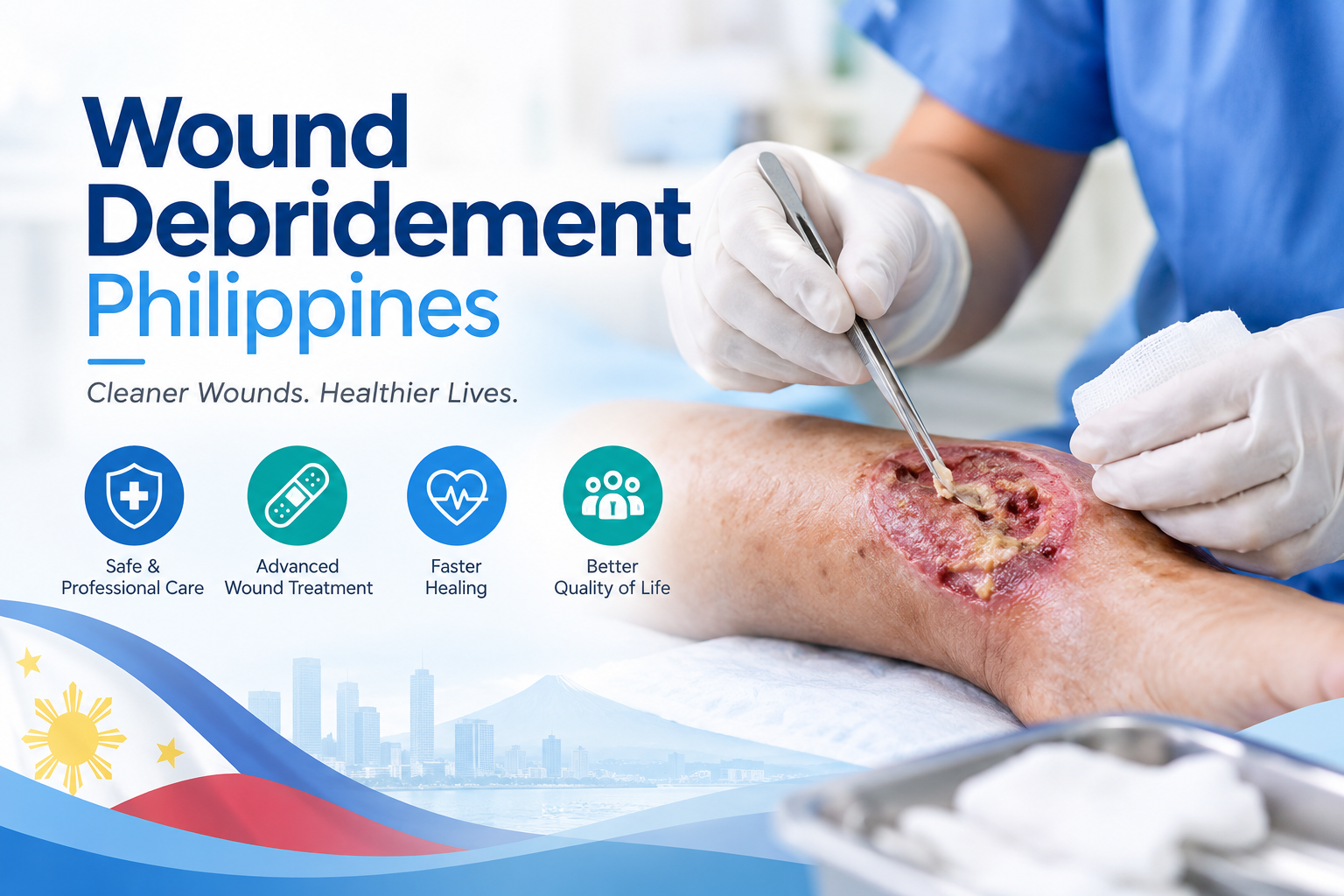
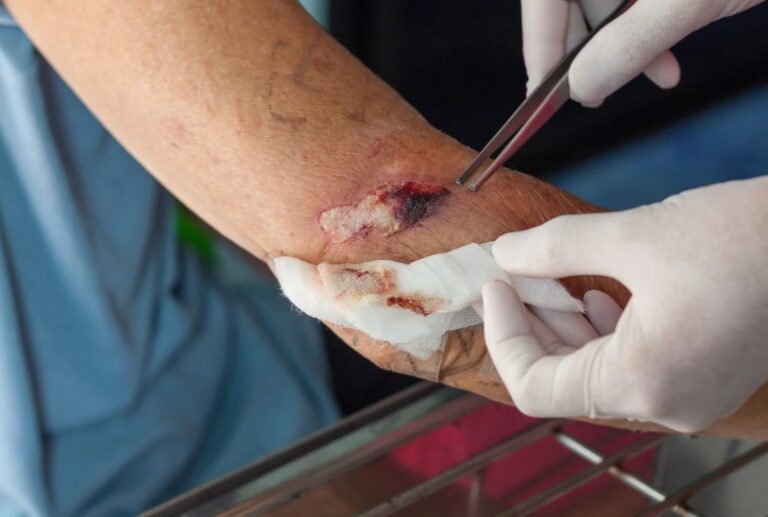
A detailed physical examination evaluates the wound’s size, depth, tissue type, and presence of exudate or odor. Surrounding skin is also assessed for redness, warmth, or signs of infection. The findings guide clinicians in selecting appropriate dressings and interventions essential for effective pressure sore treatment.
Risk Assessment Tools
Healthcare professionals use standardized tools such as the Braden Scale, Norton Scale, or Waterlow Score to assess a patient’s risk for developing pressure sores. These tools evaluate factors like sensory perception, moisture, activity, mobility, nutrition, and friction. Proper scoring informs the urgency and intensity of pressure sore treatment, ensuring timely and precise interventions.
Diagnostic Tests
In some cases, additional tests like blood work or imaging may be necessary to detect deep tissue damage, infection, or underlying conditions that could hinder healing. Accurate diagnostics play a vital role in optimizing pressure sore treatment, preventing complications, and guiding specialized care plans.
Documentation and Monitoring
Consistent documentation and monitoring are essential for evaluating the effectiveness of pressure sore treatment. Wound measurements, photographs, and detailed notes track healing progress and inform adjustments to the treatment plan. Kalingap Wound Care Clinic prioritizes meticulous monitoring to ensure that every patient receives responsive and evidence-based care.
How the Assessment Guides Pressure Sore Treatment
Assessment results directly influence the selection of interventions. Depending on the wound’s stage and condition, pressure sore treatment may include specialized dressings, topical therapies, debridement, antibiotics, or advanced wound care technologies. Repositioning strategies, pressure-relief devices, and nutritional support are also incorporated to facilitate healing and prevent recurrence. Kalingap Wound Care Clinic’s comprehensive assessment process ensures that every aspect of care is personalized and effective.
Role of Specialists in Pressure Sore Treatment
Specialized care is crucial for managing pressure sores successfully. Wound care nurses, orthopedic specialists, and physical therapists collaborate to deliver comprehensive pressure sore treatment. Their combined expertise addresses tissue damage, infection control, mobility support, and rehabilitation. Choosing a trusted facility like Kalingap Wound Care Clinic ensures access to a multidisciplinary team dedicated to optimal healing outcomes.
Monitoring and Follow-Up
Frequent reassessment is a key component of successful pressure sore treatment. Treatment plans are updated based on healing progress, preventing setbacks and complications. Follow-up evaluations also reduce the risk of recurrence by reinforcing preventive measures, proper positioning, and ongoing care guidance. Kalingap Wound Care Clinic emphasizes consistent follow-up to safeguard patient recovery.
Tips for Patients and Caregivers
Patients and caregivers play a crucial role in the success of pressure sore treatment. Daily skin inspections, proper hygiene, balanced nutrition, and use of pressure-relieving devices are vital. Encouraging movement when possible and following professional guidance on wound care can significantly enhance recovery. Kalingap Wound Care Clinic provides education and support to empower patients and caregivers in effective pressure sore management.
Takeaway
A thorough and structured assessment is essential for effective pressure sore treatment. Proper evaluation guides treatment decisions, prevents complications, and promotes faster healing. Engaging a trusted provider like Kalingap Wound Care Clinic ensures expert care, personalized plans, and a multidisciplinary approach for optimal outcomes. Patients and caregivers benefit from professional guidance and consistent monitoring, making comprehensive pressure sore management achievable and reliable.
Frequently Asked Questions (FAQ)
How long does pressure sore treatment take?
Healing time depends on the stage of the sore, overall health, and adherence to treatment plans. Early intervention typically results in faster recovery.
Can pressure sores heal on their own?
Minor Stage I sores may improve with repositioning and preventive care, but most pressure sores require professional pressure sore treatment to prevent complications.
What happens if pressure sores are left untreated?
Untreated sores can worsen, leading to severe infections, tissue damage, and potentially life-threatening complications.
How often should assessments be conducted?
Reassessment frequency depends on wound severity, but consistent monitoring is recommended to ensure progress and adapt the treatment plan as needed.