Glasses and contact lenses can make daily life easier, but they do not solve nearsightedness permanently. People with moderate to high myopia often find themselves dependent on corrective lenses for decades. Phakic IOL offers a long-term solution for those seeking freedom from glasses and contacts while maintaining clear, sharp vision. Unlike other corrective procedures, Phakic IOL preserves the natural lens of the eye and provides a reversible, safe, and effective method to correct refractive errors.
Phakic IOL is a specialized type of intraocular lens surgically placed into the eye to improve vision. Patients with myopia experience blurred images due to imperfections in the eye’s focusing ability. By positioning the lens either in front of or behind the iris, Phakic IOL corrects refractive errors and restores clear vision. This procedure can be an ideal alternative for individuals whose prescriptions are too high for LASIK or other laser-based vision correction procedures.
What is Phakic IOL?
Phakic IOL is designed for patients with nearsightedness who wish to reduce or eliminate their dependence on glasses or contacts. Unlike standard intraocular lenses used in cataract surgery, Phakic IOL does not replace the natural lens. Instead, it works alongside the eye’s existing lens to improve focusing ability and reduce refractive errors.
Phakic IOL should not be confused with pseudophakic IOL, which is implanted after cataract surgery when the natural lens is removed. The primary distinction lies in whether the eye’s natural lens is preserved. For patients who still have a healthy natural lens, Phakic IOL provides a minimally invasive and highly effective way to correct myopia without altering the natural structure of the eye.
The procedure is suitable for people with moderate to high levels of nearsightedness who may not qualify for laser-based surgeries. It offers stable vision correction and reduces the long-term need for other corrective options.
How Phakic IOL Works
Phakic IOL is usually made from high-quality, biocompatible materials such as silicone or acrylic. The lens is carefully implanted through a small incision at the front of the eye. Depending on the patient’s eye structure, the lens may be placed behind or in front of the iris to achieve optimal vision correction.
The lens works by bending light rays entering the eye, focusing them properly on the retina. This correction helps reduce or eliminate blurred vision caused by nearsightedness. Unlike glasses or contact lenses, Phakic IOL provides a consistent level of correction without the daily maintenance or inconvenience associated with external lenses.
Phakic IOL procedures are quick, typically completed within 30 to 45 minutes per eye. The lens is positioned with precision by experienced ophthalmologists to ensure safety, effectiveness, and long-term stability. Many patients notice improved vision within a day or two following surgery, although complete stabilization may take a few weeks.
Benefits of Phakic IOL
Phakic IOL offers several advantages over other vision correction methods. One of the primary benefits is permanent correction for nearsightedness. Once implanted, the lens provides a stable refractive solution without the need for daily glasses or contact lenses. Patients with high myopia often find this approach superior to laser-based procedures, which may be limited by prescription strength.
Another benefit of Phakic IOL is the preservation of the natural lens. Since the procedure does not remove or replace the eye’s natural lens, it maintains the eye’s natural focusing ability and flexibility. The procedure is also reversible, meaning the lens can be removed or replaced if necessary.
Recovery time for Phakic IOL surgery is typically short. Most patients can return to their normal activities within a few days, with minimal discomfort. The procedure is minimally invasive, performed under local anesthesia, and has a high success rate when conducted by trained specialists.
Phakic IOL is suitable for a wide range of patients, including those who are not ideal candidates for LASIK or other laser treatments due to thin corneas or high prescriptions. It is an excellent solution for patients seeking long-term, reliable vision correction.
Who is a Good Candidate?
Ideal candidates for Phakic IOL are adults with stable prescriptions for nearsightedness, typically between the ages of 21 and 45. Patients should have healthy eyes free from infections, severe glaucoma, or significant cataracts. Individuals with a history of retinal detachment or other serious eye conditions may require further evaluation before undergoing the procedure.
Phakic IOL is particularly beneficial for patients with moderate to high myopia who are seeking alternatives to glasses or contact lenses. It is also suitable for those who have thin corneas or irregular corneal shapes that make laser surgery less effective or riskier.
A comprehensive eye examination is required before the procedure to determine candidacy. Ophthalmologists will measure eye anatomy, corneal thickness, and pupil size to ensure proper lens selection and placement. Patients are encouraged to discuss their vision goals and lifestyle needs with their eye care specialist to ensure Phakic IOL is the right choice.
Procedure Overview
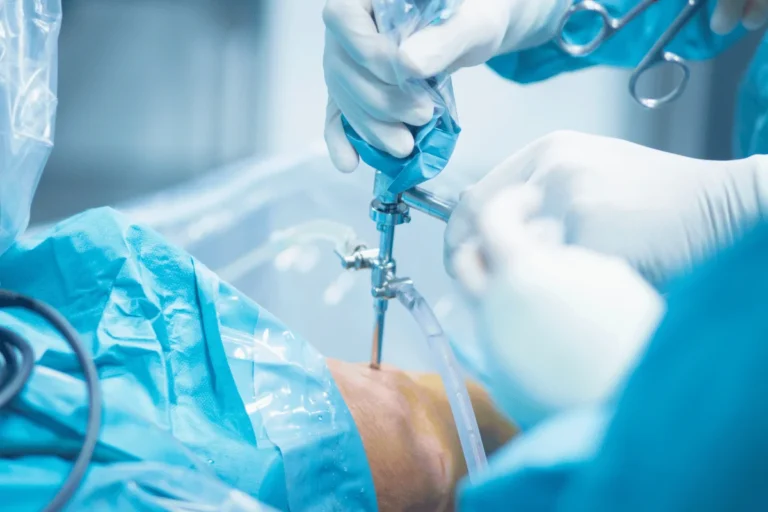
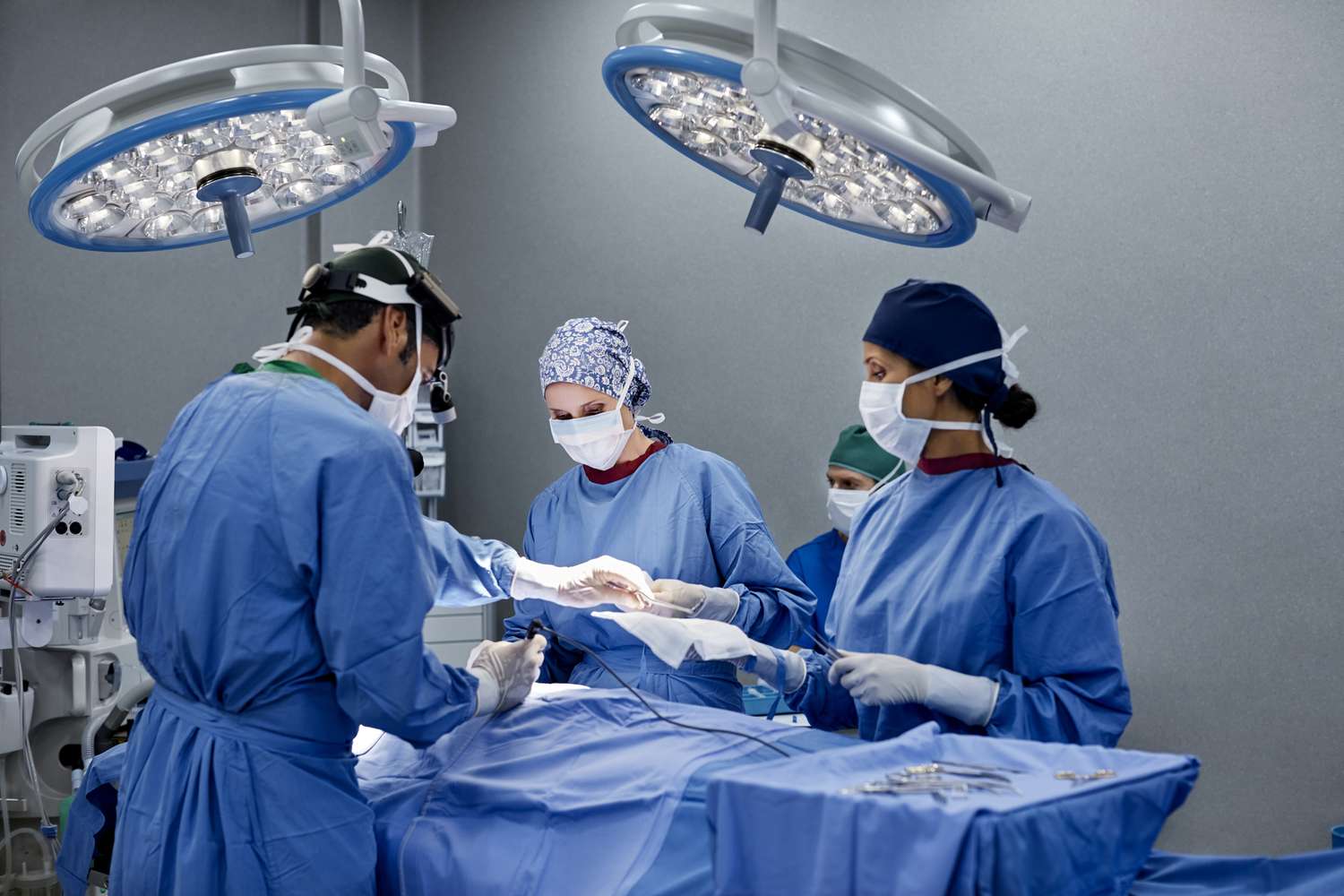
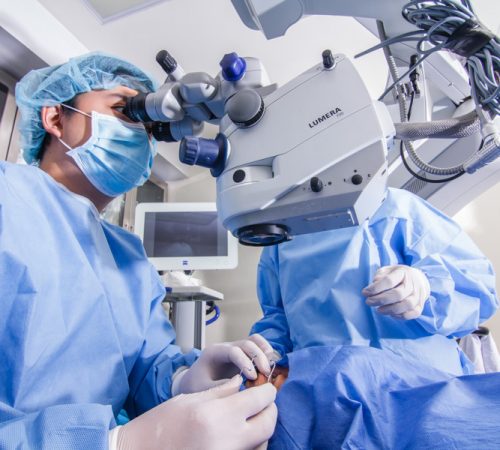
Phakic IOL surgery begins with the application of local anesthesia to ensure patient comfort. The ophthalmologist then makes a small incision at the front of the eye to insert the lens. Advanced imaging and surgical techniques allow precise placement either in front of or behind the iris, depending on the patient’s eye structure.
Once the lens is in place, the incision is closed, usually without the need for sutures. The procedure is typically completed in under an hour, and patients can return home the same day. Recovery instructions include avoiding strenuous activity for a few days, using prescribed eye drops to prevent infection or inflammation, and attending follow-up appointments to monitor healing.
The procedure is considered safe and effective, with minimal risk when performed by experienced specialists. Most patients experience significant vision improvement within days, although complete stabilization may take several weeks.
Why Choose Peregrine Eye and Laser Institute
Peregrine Eye and Laser Institute (PELI) has established a reputation for excellence in eye care throughout Metro Manila. With facilities in Makati, Manila, and Quezon City, PELI provides patients with advanced technology and highly skilled ophthalmologists.
The medical team includes specialists trained at prestigious institutions such as Harvard Medical School, Johns Hopkins University, UCLA, California Pacific Medical Center, University of Wisconsin, and Singapore National Eye Center. Their extensive clinical and surgical experience ensures patients receive safe, effective, and personalized treatment.
PELI emphasizes patient comfort and quality of care. Clinics are designed for efficiency and a welcoming environment, and staff undergo continuous training to enhance both technical skills and patient interaction. Advanced IT systems streamline appointment scheduling and treatment management, ensuring a smooth experience for every patient.
Patients seeking Phakic IOL surgery at PELI can expect comprehensive preoperative evaluations, precise surgical techniques, and attentive follow-up care. This combination of expertise, technology, and patient-focused service has made PELI a trusted choice for vision correction in the Philippines.
Takeaway
Phakic IOL provides a permanent and effective solution for nearsightedness, offering freedom from glasses and contact lenses while preserving the natural lens. It is suitable for a wide range of patients, particularly those with moderate to high myopia or conditions that make laser surgery less suitable.
Peregrine Eye and Laser Institute offers world-class facilities, experienced ophthalmologists, and patient-focused care to ensure safe, effective, and comfortable Phakic IOL procedures. With advanced technology and thorough preoperative and postoperative care, patients can achieve improved vision and enhanced quality of life.
For individuals seeking a long-term solution to nearsightedness, Phakic IOL at Peregrine Eye and Laser Institute provides a safe, reliable, and life-changing option. Schedule a consultation today to explore how this procedure can transform your vision and daily life.
Common Questions About Phakic IOL
How long does Phakic IOL last?
Phakic IOL is designed to last for many years, often providing lifelong vision correction. The lens can be removed or replaced if necessary, offering flexibility in treatment.
Is Phakic IOL safe?
When performed by experienced specialists, Phakic IOL surgery is considered safe. Risks are minimal and typically involve temporary discomfort or minor fluctuations in vision during recovery.
Can I still develop cataracts after Phakic IOL?
Yes. Phakic IOL does not prevent the natural lens from developing cataracts over time. If cataracts occur, the natural lens can be removed, and a pseudophakic IOL can be implanted.
How does Phakic IOL compare to LASIK?
Phakic IOL is suitable for patients with higher prescriptions or thinner corneas who may not qualify for LASIK. Unlike LASIK, it does not involve reshaping the cornea and preserves the natural lens.
What is the recovery time after Phakic IOL surgery?
Most patients return to normal activities within a few days. Complete vision stabilization may take several weeks, during which follow-up appointments ensure proper healing.
Who is not a candidate for Phakic IOL?
Patients with severe eye diseases, uncontrolled glaucoma, or certain retinal conditions may not qualify. A comprehensive eye examination determines eligibility.